Category: LGBTQ+

  • Impasse

    Impasse


    “We have met the enemy, and they are ours.” United States Navy Commodore Oliver Hazard Perry, War of 1812, September 10, 1813, following his strategic victory in the battle on Lake Erie over the British Navy. Hooray.

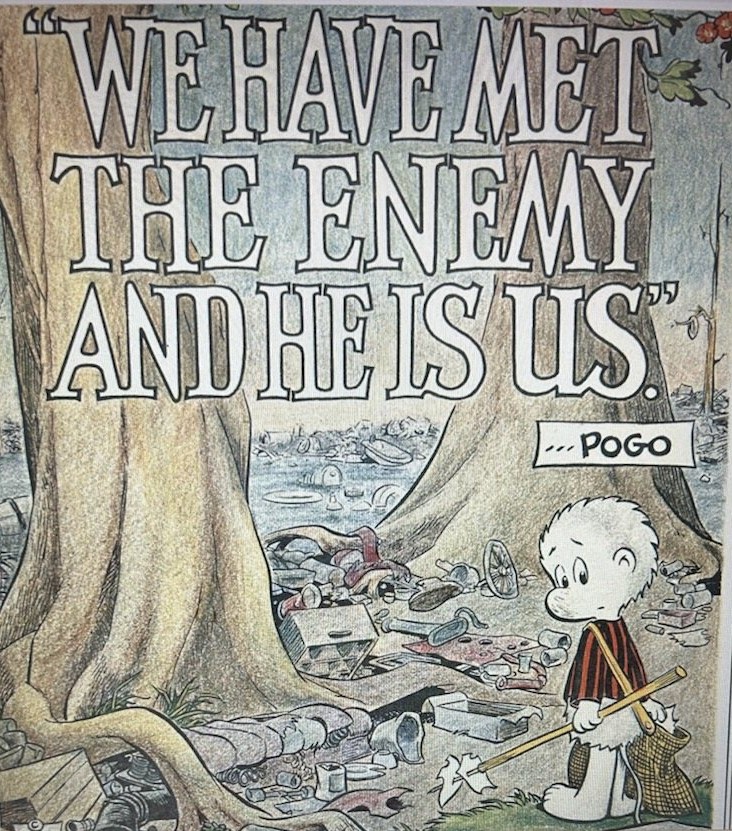
    Walt Kelly’s political satire captured the imagination of the public on Earth Day in this country with his 1970 Pogo cartoon that coined a re-phrase of Commodore Perry’s words in 1813. Hooray?
    Helen Lewis argued in her article The Men Who Don’t Want Women to Vote or Work. Or Have Opinions. that a movement of “masculinism” in America seeks “to fight back against the advances of feminism and reassert the primacy of men.” (June, 2026, The Atlantic) What? Seriously?

    We have met the enemy, and it’s women. No Hooray, please.

    ************************

    I published the following piece on June 10, 2017, nine years ago. I had a personal painful reminder of old tapes played too often in my life. Helen Lewis’s words opened old wounds.

    Impasse

    Webster’s Everyday Thesaurus has these words for impasse:

    deadlock, stalemate, blind alley, bottleneck…dead end, dilemma, predicament, quandary, standstill, standoff.

    This past week I had a heavy dose of impasse which intermingled with my increasing preoccupation about the American Civil War. I look more and more frequently at the map of the red states and blue states that make up our United States and wonder anew at Abraham Lincoln’s commitment to keep the country united as one. I understand the problem better for sure. I always wondered how brother fought brother on different sides during the Civil War. They were family first after all, right? Not so fast, my friend.

    The American people are a “duke’s mixture” to quote my granddaddy who used the words for his Saturday barbershop customers in the 1950s when my grandmother asked him who’d stopped by the barber shop that day.

    George, who all came by for a haircut today?

    Well, Betha, it was a duke’s mixture.

    To which she would shake her head and look at me and ask, What does that tell you? Duke’s mixture.

    My granddaddy would laugh as if he’d told a funny joke, and I would laugh with him. My grandmother never cracked a smile.

    Today I find myself not laughing, either. Rarely cracking a smile at the impasse among the citizens in our country which must surely have my grandparents spinning in their graves. My grandmother invented social media via the telephone party line we had in our little town as surely as Al Gore invented the internet. She relished listening in on other people’s conversations and delighted to repeat juicy gossip at her kitchen table… but please dear God, don’t ever mess with her family.

    This week I did something I almost never do. I responded on Facebook to a post made by a first cousin twice removed who has a world view that I have long ago accepted as different from mine. Most of the time I hide his offensive posts from my timeline and move on.

    I can’t bring myself to “un-friend” him because I truly love the little boy I remember visiting us in Richards so often with his grandmother who was my grandmother’s sister. But this week he posted that liberals must have a “mental illness” to think the way we do, and that struck a nerve for me.

    You see, I grew up during a time in the 1950s and 60s when being a homosexual was considered to be a mental illness. Think about how you would feel if you grew up believing that you had a secret mental illness and, if exposed, you could be institutionalized. Lock her up. Throw away the key. I heard an old tape begin to  play in my mind.

    Somehow our thread on Facebook took an unpleasant turn, as I already knew it would and we got into a discussion regarding a prevailing Muslim  belief in some places that gays should be killed. Unfortunately, one of my cousin’s friends chimed in with the following comment: “We knew someone many years ago that would probably want to buy a plane today, load them (gays and lesbians) up and drop them off over there (wherever Muslims live). I sure miss him.”

    Wow. I was transported to a conversation I had in the early 1990s with a client who sat in my office and said, “If it were up to me, I’d take all those queers and put them behind barbed wire in Kansas and tell them to stay there.” I didn’t respond then. The old tape was playing louder now.

    One of my mother’s most infamous quotes for me was that she wished all those gays would go back in the closet where they belonged. She would be happy to slam the door shut. The old tape was so loud now I could barely hear myself think.

    Luckily, I didn’t accept the old tapes as I don’t accept my cousin or his friend’s thinking about who I am today. I’ve spent my entire adult life working for equal treatment and fairness – my liberal social justice beliefs.

    In 1974 the American Psychiatric Association declassified homosexuality as a mental disorder. I was 28 years old. In 2017 at the age of 71, I am personally declassifying liberalism as a mental illness.

    I resolve to limit my social media interaction with my first cousin twice removed to Happy Birthday wishes. No need going up that blind alley again.

    I feel better already.

    *************************

    June is Pride Month – celebrate with joy!
  • Memorable Moments with Millie: A Friendship Story

    Memorable Moments with Millie: A Friendship Story


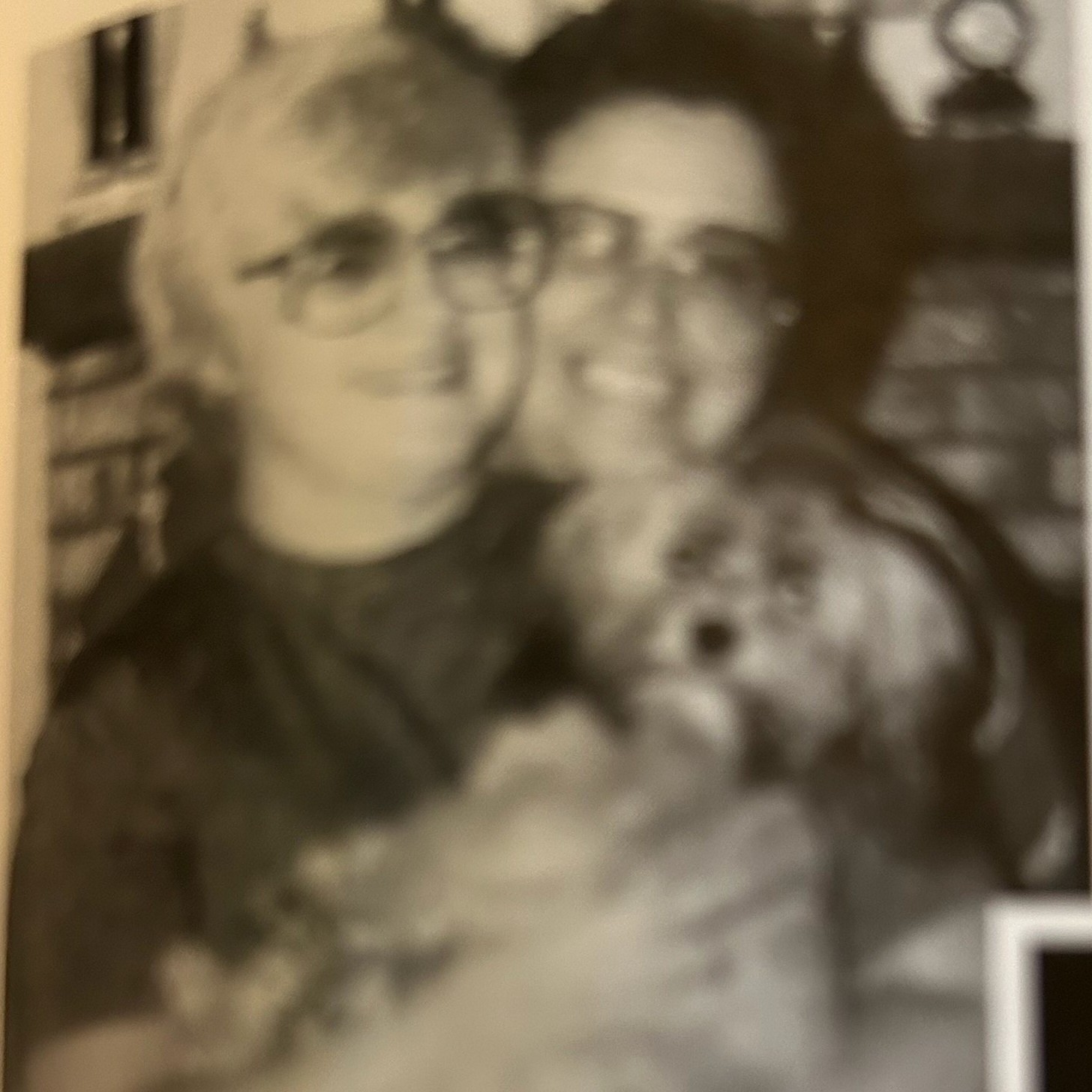
    me and Millie with her dog, Bear, in the 1970s

    *************************

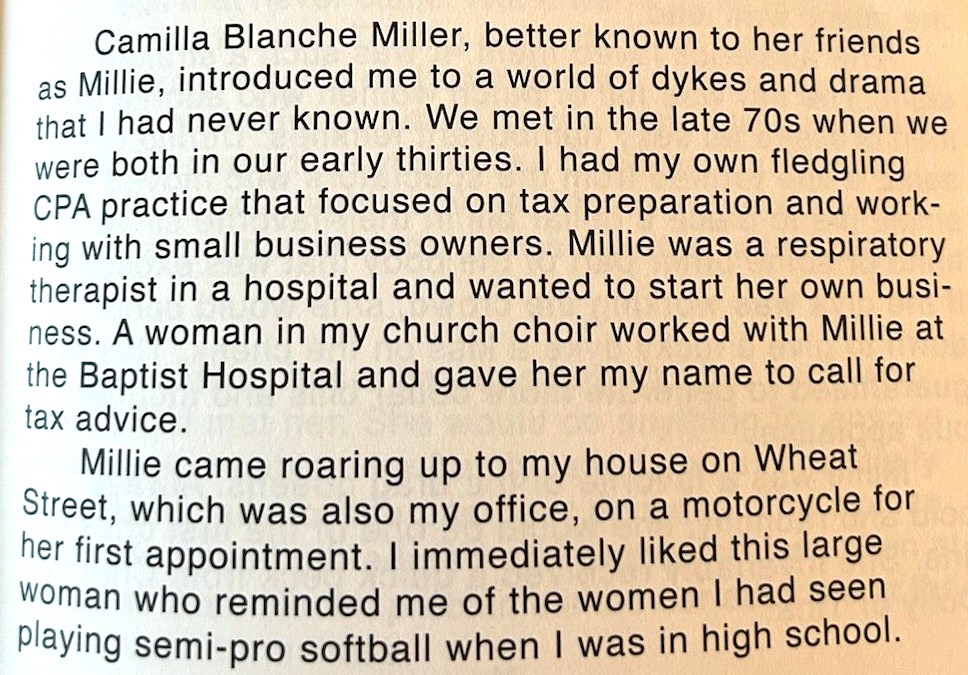
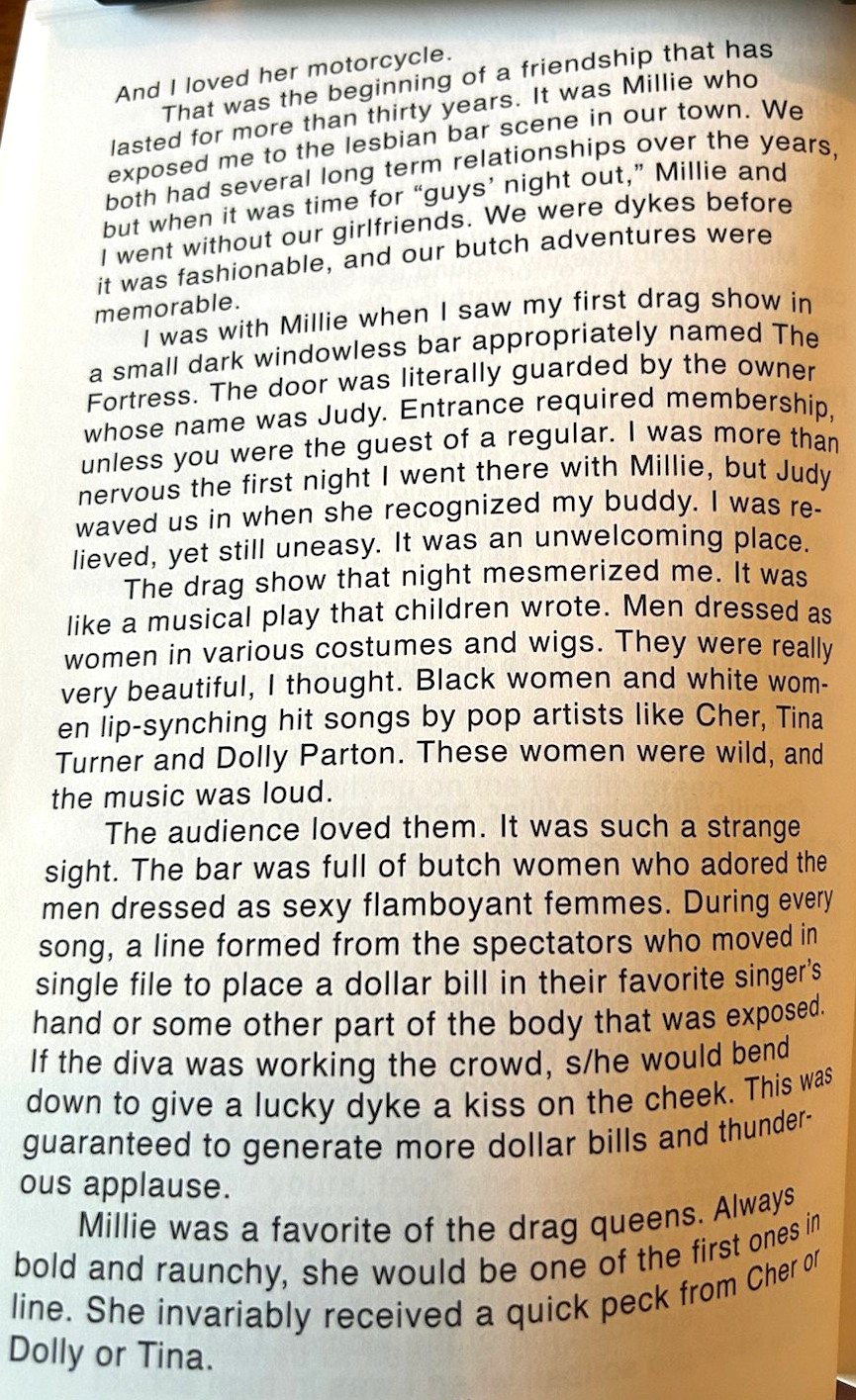
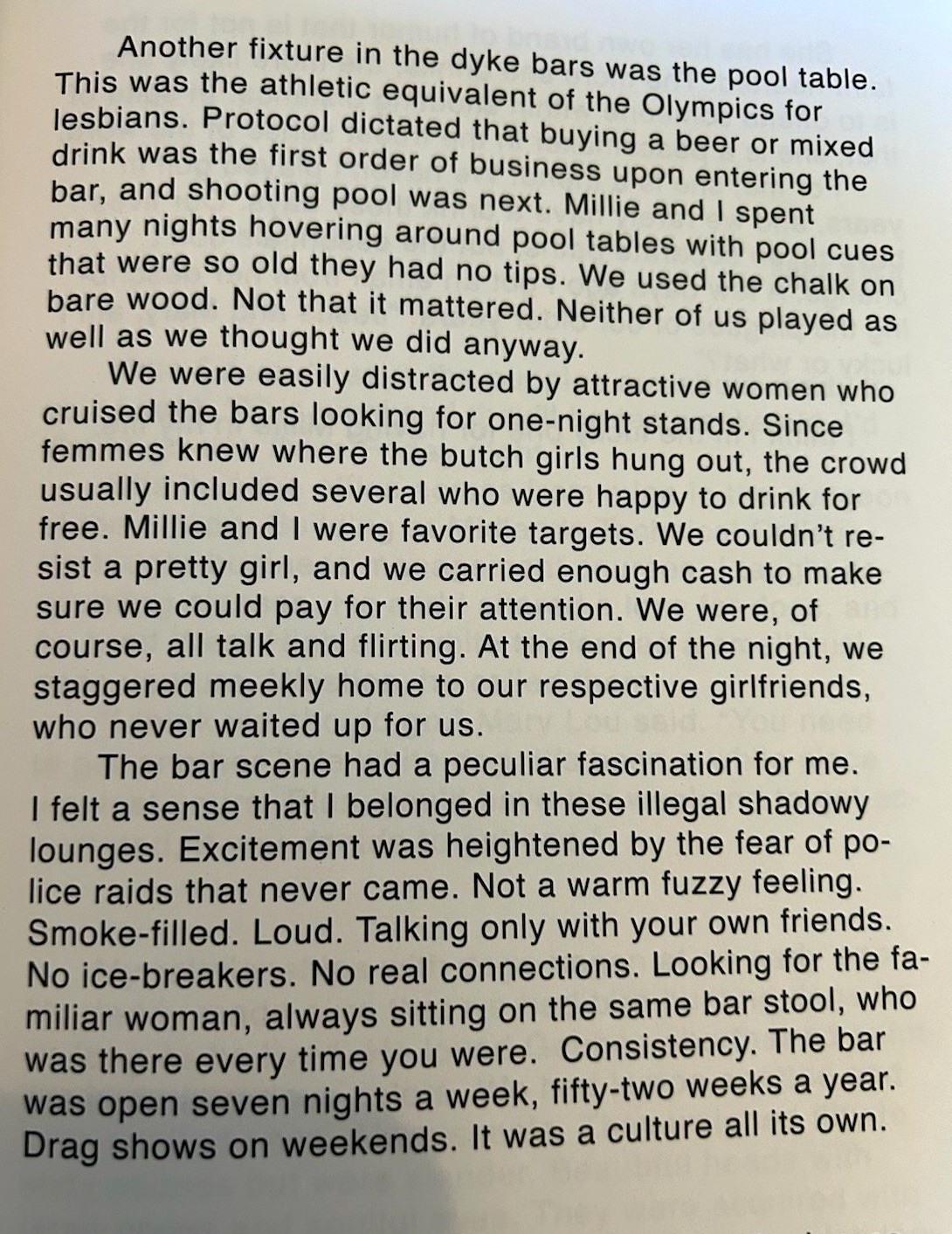
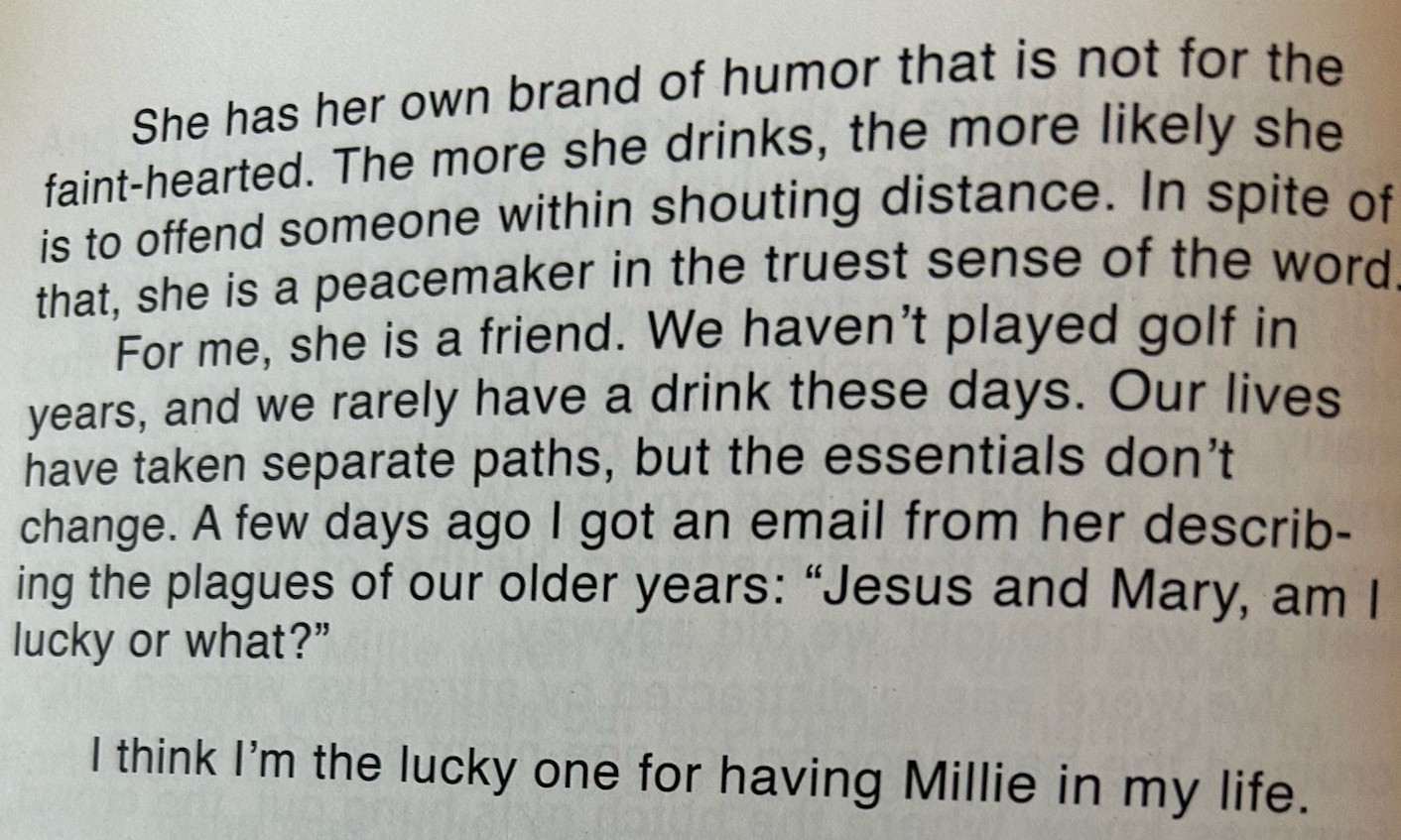
    My piece today contains excerpts from a chapter in my second book, Not Quite the Same. which was published in 2009. I cut a large descriptive section of a golf outing in this chapter about our playing golf in the snow one Friday afternoon at a local club. Censorship of language was mandatory due to a large bottle of Crown Royal Millie and I shared that afternoon playing golf in the snow.

    Millie Miller is 80 this month, and I still believe I’m lucky to have had her as a friend for the past 50 years. We rarely see each other, but we have phone conversations to discuss our ailments, friends we’ve lost, and the money we would have if we hadn’t spent it all on those women we met in the bar.

    Millie Miller, still calling it like she sees it. Rock on, Millie.

  • The Story of Joan Eardley: Art, Love, and Legacy

    The Story of Joan Eardley: Art, Love, and Legacy


    Josie Holford’s blog, Rattlebag and Rhubarb, another of my favorites, introduced me six months ago to the work of Joan Eardley, a lesbian artist who died at the age of 42 from cancer that began as breast cancer but spread to her brain. (josieholford.com/joan-eardley/) I encourage you to visit her blog for additional insights.

    Joan Eardley

    Joan was born in 1921 on a dairy farm in Sussex, England, to Anglo-Scottish parents. Her father committed suicide in 1929, but Joan and a younger sister, Pat, weren’t told about the cause of his death until they were grown women. The two young sisters and their mother lived in London with their grandmother and great-aunt who took care of them. When the bombings began in England in WWII, the women returned to their roots in Scotland to live in Glasgow.

    National Galleries of Scotland (www.nationalgalleries.org)

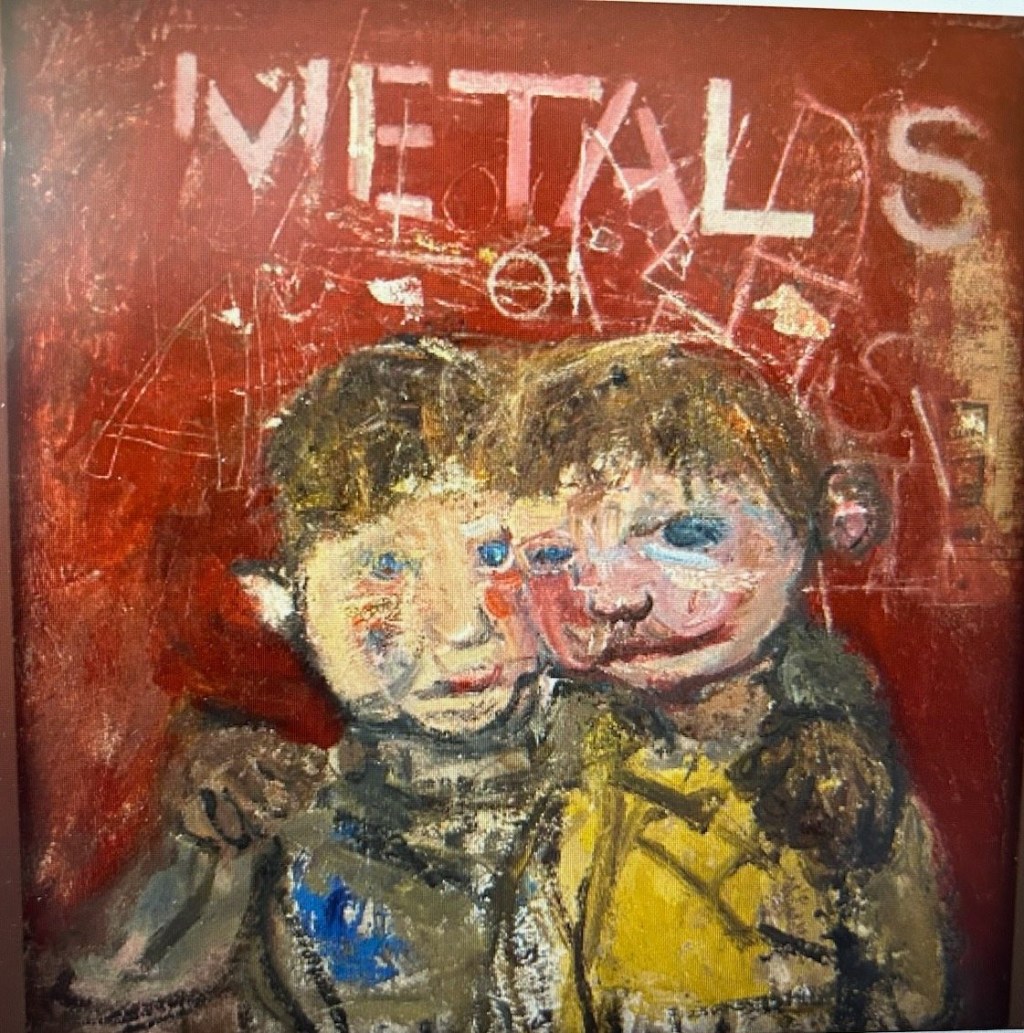
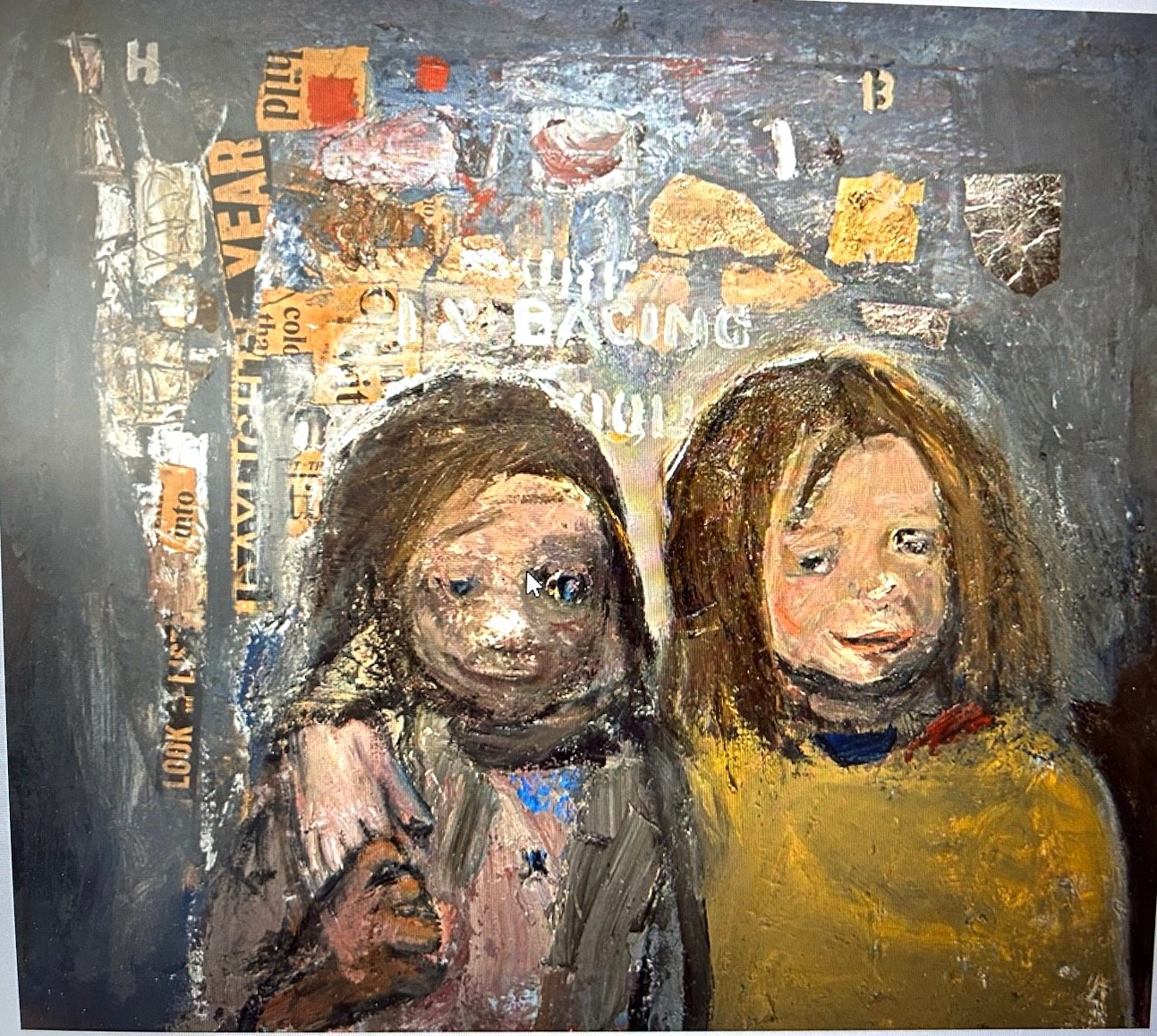
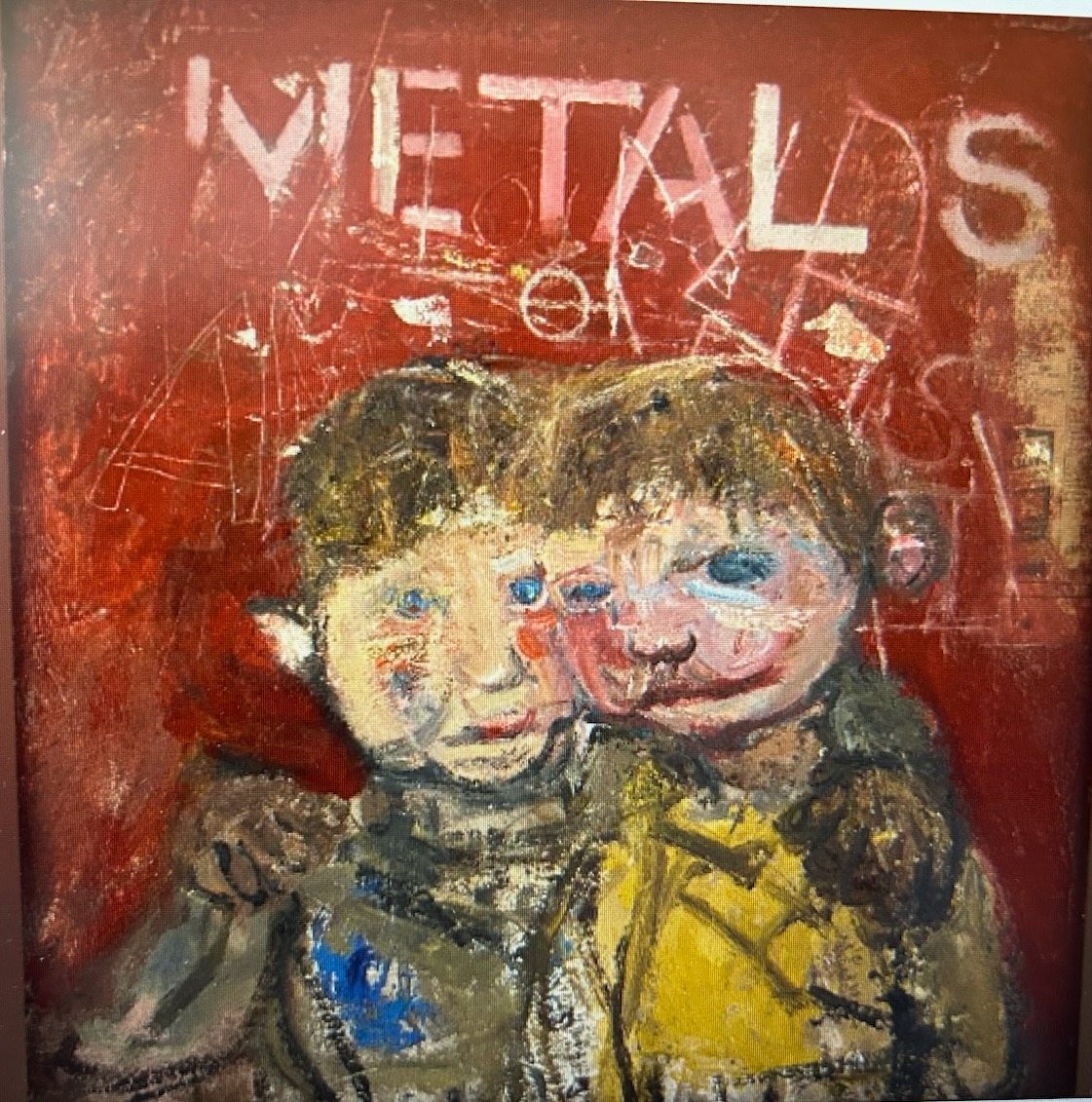
    early works of Eardley followed the Samson family, a family of twelve children growing up on the back streets of Glasgow

    “In January, 1940, Eardley enrolled at the Glasgow School of Art as a day student where she studied under Hugh Adam Crawford and was influenced by the Scottish Colourists[9] She met the painter Margot Sandeman, who became a close and lifelong friend.[9][14] Sandeman and Eardley would often paint together and also shared family holidays and camping trips.[15] In 1941, they acquired a horse and caravan and travelled around Loch Lomond to paint and sketch. For many years, they also visited Corrie on the Isle of Arran, using an outhouse, the Tabernacle, as a studio.” (Wikipedia)

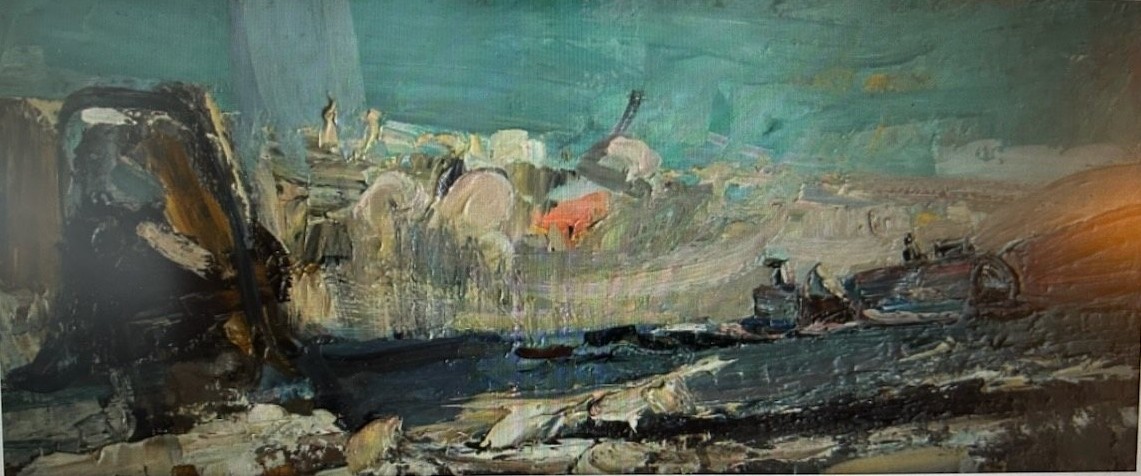
    In 1957 Eardley was recovering from the mumps, and a friend took her to Catterline, a tiny village located on the North Sea in Aberdeenshire, Scotland. In an audio recording Eardley spoke of Catterline: “When I’m painting in the North East, I hardly ever move out of the village (Catterline), I hardly ever move from one spot. I do feel the more you know something, the more you can get out of it. That is the North East. It’s just vast (indistinct word possibly “waves”), vast seas, vast areas of cliff. Well you’ve just got to paint it.”[36][37] (Wikipedia)

    Joan Eardley – Catterline Seascape

    As for her personal life, Eardley’s name was associated with other women artists at various times during her life – women she met while studying art at the Glasgow School of Art. Margot Sandeman (1922 – 2009). Lilian (Lil) Neilson (1938-1998). Dorothy Steel (1927-2002).

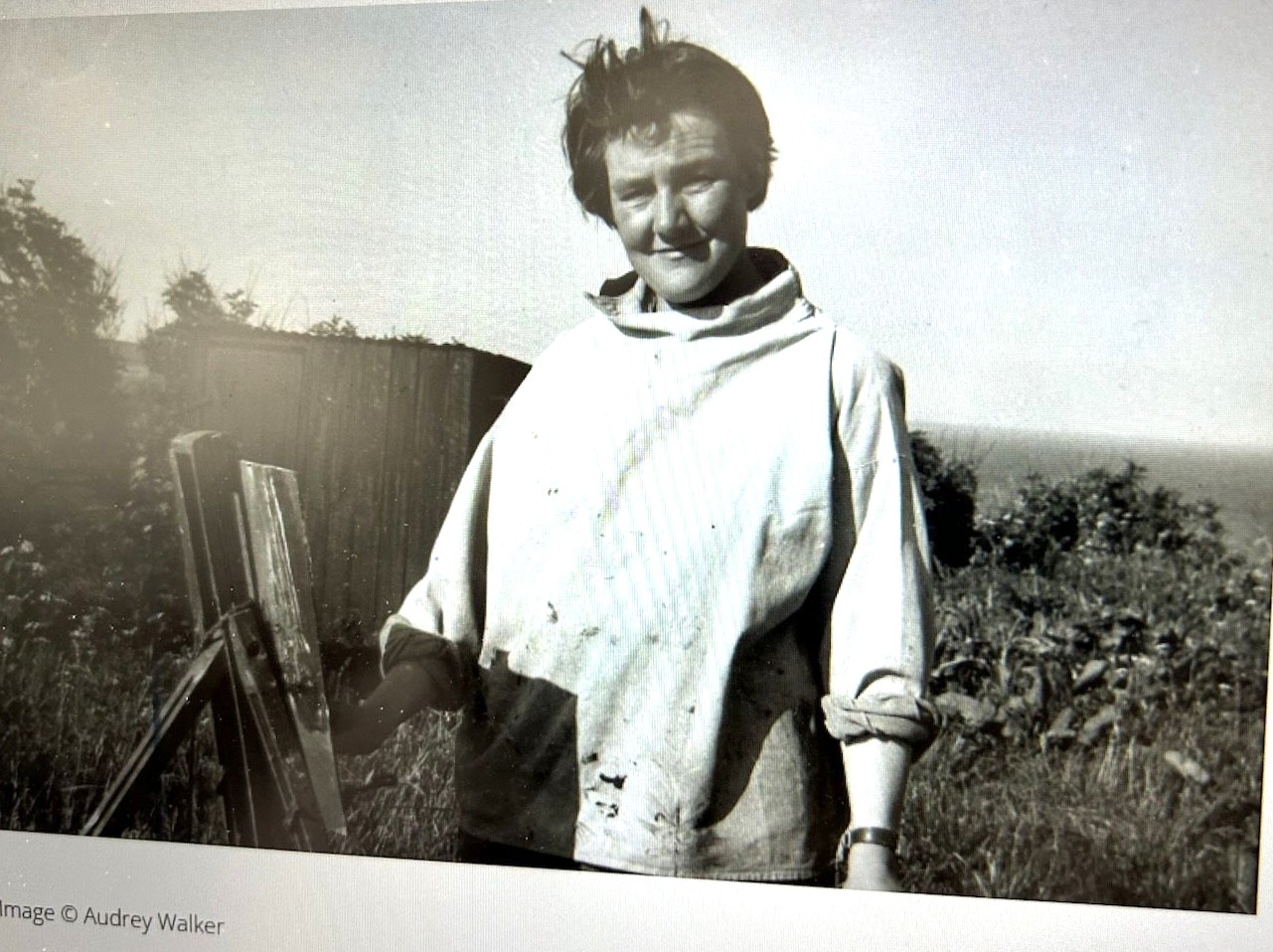
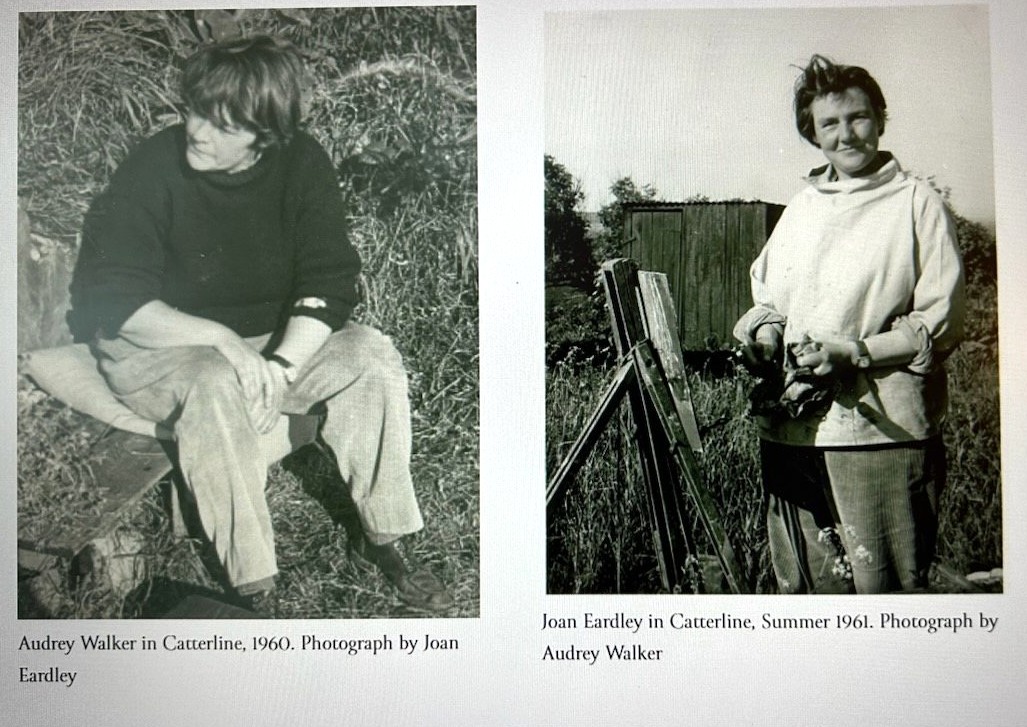
    But the love of Eardley’s life was the violinist/photographer Audrey Walker who was ten years older than Joan, married, living in Glasgow but was with Eardley in the Catterline years from 1952 until her death in 1963.

    In 2013, fifty years after the artist’s death, love letters she wrote to Walker in Glasgow from Catterline were published. Walker died in 1996.

    Source: Love Letters from Catterline – Joan and Audrey

    The Scottish Gallery

    Passages from letters from Joan Eardley to Audrey Walker:

    I just feel I love you so much – and there just ain’t words – to say it – not words that mean what I feel inside of me – and there’s nothing else that I really want to say – nothing at all…

    Joan Eardley

    Passages from Audrey Walker’s tribute to Joan Eardley:

    To me she was quite simply the winter sea to which and for which I would give my life.

    Audrey Walker

    *********************

    Special thanks to Josie Holford for leading me down the rabbit hole of Joan Eardley’s life and especially her art. I’ve been saving this journey for a special time. Women’s History Month is that moment.

  • Remembering Jesse Jackson’s Impact on LGBTQ+ Rights

    Remembering Jesse Jackson’s Impact on LGBTQ+ Rights


    Jesse Louis Burns was born October 8, 1941, in Greenville, South Carolina. His mother was 18-year-old Helen Burns (1923-2015), and his father was her 33-year-old neighbor Noah Louis Robinson who was married to someone else. One year after Jesse was born his mother married Charles Henry Jackson, who later adopted him. Jesse took his step-father’s last name but remained in contact with Robinson until his passing in 1997.

    An ordained Baptist minister, Jackson became involved with the Civil Rights Movement through Dr. Martin Luther King, Jr. in the Southern Christian Leadership Conference. He had participated in the 1965 march from Selma to Montgomery and won Dr. King’s confidence. That was the starting point for six decades of activism for equal justice and liberty for all.

    Rev. Jackson had two unsuccessful campaigns for the Democratic nomination for President of the United States in 1984 and 1988. He advanced the concept of a Rainbow Coalition that included the LGBT community in a speech to the Democratic Convention in 1984:

    “We must address their concerns and make room for them,” he said of a constellation of oppressed people. “The Rainbow includes lesbians and gays,” Jackson said to cheers. “No American citizen ought to be denied equal protection from the law.”

    Jackson followed up on that commitment in 1987, when he spoke at the second National March on Washington for Lesbian and Gay Rights, soon after announcing his second bid for president.

    “We gather today to say that we insist on equal protection under the law for every American, for workers’ rights, women’s rights, for the rights of religious freedom, the rights of individual privacy, for the rights of sexual preference. We come together for the rights of all American people,” Jackson declared.

    Jesse Jackson’s “Rainbow Coalition” was more than just another rhetorical flourish from the legendary orator. He gave real substance to the phrase by uniting black and brown people, the poor, and — an important, but less remembered part of his legacy — LGBTQ+ people.

    (Greg Owen, LGBTQ Nation, February 17, 2026)

    I was thirty-eight years old when I heard Jesse Jackson speak about his Rainbow Coalition that included lesbians like me. In that 1984 national campaign for the Democratic Nomination for President, Jackson carried five primaries and caucuses: Louisiana, Virginia, the District of Columbia, one of two separate contests in Mississippi, and…South Carolina. (Wikipedia) He was the first Black candidate to win any major party state primary or caucus. He had my vote in both campaigns.

    Whether the issues were health care during the AIDS crisis in the 1980s or marriage equality thirty years later, Rev. Jesse Jackson understood institutional wrongdoing and called it out.

    “Marriage is based on love and commitment — not sexual orientation. I support the right of any person to marry the person of their choosing,” Jackson declared at a rally outside the U.S. Court of Appeals for the Ninth Circuit in San Francisco in December, 2010.

    (Rev. Irene Monroe, Whosoever, February 19, 2026)

    ************************

    I leave you today while mourning the loss of another champion of equal justice, not a perfect man, but someone who lives on in those who labor for a harvest yet unseen. During Black History Month we acknowledge his passing, celebrate his service, and ask for the wings of angels to lift him to a better place. The harvest is plentiful, but the laborers are few. Jesse Jackson labored with love.

    Thank you, Rev. Jackson, for reminding me years ago that “I Am Somebody.” I will miss you.

    Jesse Louis Jackson (October 08, 1941 – February 17, 2026)

  • Celebrating LGBTQ+ Advocacy: A Legacy Gala Reflection

    Celebrating LGBTQ+ Advocacy: A Legacy Gala Reflection


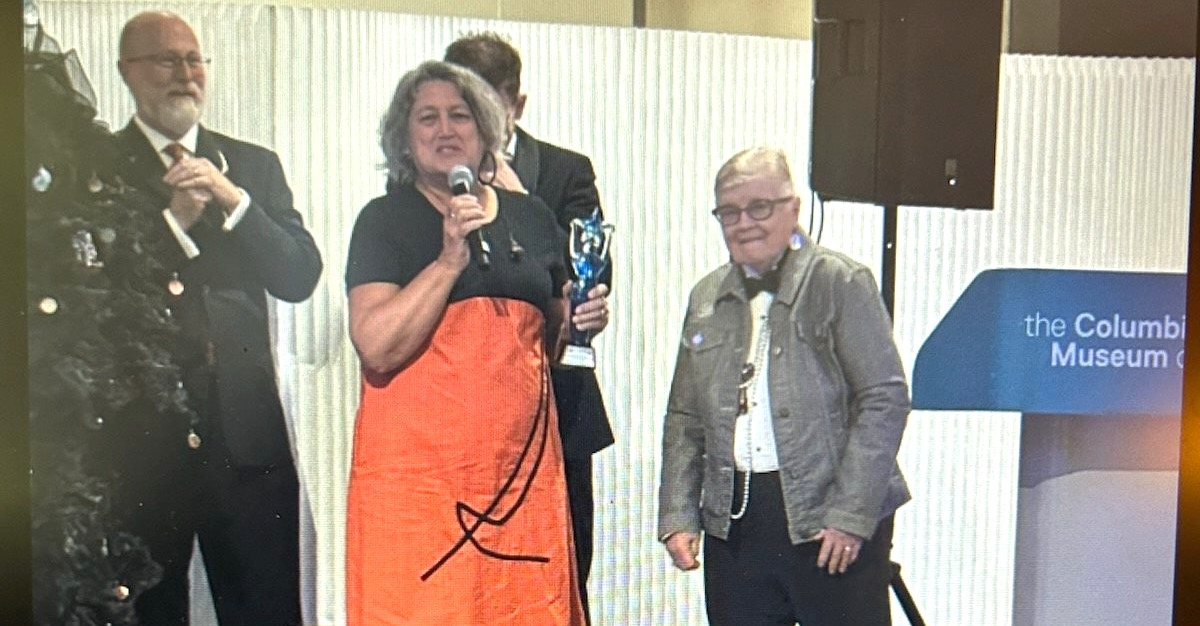
    Being celebrated for our work in the LGBTQ+ community in the midlands of South Carolina was a remarkable experience last week for Pretty and me. We wanted to share a few highlights with our friends in cyberspace, too.

    Are you a friend of Dorothy?

    a code phrase back in the day which was translated to mean

    “are you gay?”

    Teresa (a/k/a Pretty) and me outside the Columbia Museum of Art in Columbia, South Carolina

    the First Lady of the event and a dear friend of ours for three decades

    Harriet Hancock, for whom our community center was named

    Pretty and another warrior friend, Nekki Shutt

    daughter-in-law Caroline with Dick Hubbard looking dapper

    Dick is an institution himself – has been in the trenches with us

    from the beginning 35 years ago

    The Legacy Award

    Pretty and I accepting award presented by last year’s winners

    Bert Easter and Ed Madden – and Emcee Patti O’Furniture

    (their words were awesome, moving, inspiring)

    Drew and Caroline made us proud for their love and support

    a bit of foolishness after the ceremony – I look like James Cagney

    A perfect evening of celebration for Pretty and me as we learned about the current projects spearheaded by the Harriet Hancock Center and met young leaders with their own moving stories like Elliot Naddell who was named the Youth Advocate of the Year, PJ Whitehurst, the Community Advocate of the Year, and Senator Tameika Isaac Devine, the Political Advocate of the Year whose support as an ally of the LGBTQ+ community is historic.

    Organizations like Can Community Health recognized as the Health & Wellness Organization of the Year, the Nickelodeon named the Arts & Culture Organization of the Year, and the Rainy Day Fund which was selected as the Community Partner of the Year.

    Teresa and I were honored to be included with these current champions of causes so dear to us. You all share our legacy of “speaking the truth boldly, loving fiercely, and ensuring that future generations inherit a state where equality is not questioned but celebrated.”

    Thank you, thank you, thank you to those who nominated us, to Harriet Hancock and the Center for selecting us, and to all our friends and family who showed up to celebrate on a magical night that stirred memories, inspired hope, and cast out fear.

    No longer a secret, never again silent. These words by the Hancock Center Executive Director Cristina Picozzi and Board President Matt Butler must be etched in our collective consciousness from this day forward. They are not just a theme for a gala but a mantra for everyday living. The struggle is real.

    Onward.

    *************************

    Guess what? We discovered over the weekend that we have lost our actual Award! There was a misunderstanding about who took the blue box containing the award home post Gala. Turns out none of us picked it up because we thought someone else had it. We have contacted the Columbia Museum of Art and the Harriet Hancock Center but, alas, no luck. If anyone has any information concerning its whereabouts, PLEASE contact us. We would love to solve the mystery!

    P.S. I would also love to credit all photos but I lifted the images from multiple places. Thank you to all who took pictures including Erin, who gets extra credit because she drove from Charleston to celebrate with us.