
Category: Personal

  • Still I Rise


    Photo by eberhard grossgasteiger on Pexels.com

    Today is Palm Sunday, the Sunday before Easter for Christians around the world who will focus particularly on the miracles of resurrections in words and songs during the next seven days. He is Risen, the New Testament gospels proclaim. Hallelujah.

    When I think of resurrection, I hear the rich voice of a Black woman named Maya Angelou reciting a favorite poem:

    Still I Rise

    You may write me down in history
    With your bitter, twisted lies,
    You may tread me in the very dirt
    But still, like dust, I’ll rise.

    Does my sassiness upset you?
    Why are you beset with gloom?
    ‘Cause I walk like I’ve got oil wells
    Pumping in my living room.

    Just like moons and like suns,
    With the certainty of tides,
    Just like hopes springing high,
    Still I’ll rise.

    Did you want to see me broken?
    Bowed head and lowered eyes?
    Shoulders falling down like teardrops.
    Weakened by my soulful cries.

    Does my haughtiness offend you?
    Don’t you take it awful hard
    ‘Cause I laugh like I’ve got gold mines
    Diggin’ in my own back yard.

    You may shoot me with your words,
    You may cut me with your eyes,
    You may kill me with your hatefulness,
    But still, like air, I’ll rise.

    Does my sexiness upset you?
    Does it come as a surprise
    That I dance like I’ve got diamonds
    At the meeting of my thighs?

    Out of the huts of history’s shame
    I rise
    Up from a past that’s rooted in pain
    I rise
    I’m a black ocean, leaping and wide,
    Welling and swelling I bear in the tide.
    Leaving behind nights of terror and fear
    I rise
    Into a daybreak that’s wondrously clear
    I rise
    Bringing the gifts that my ancestors gave,
    I am the dream and the hope of the slave.
    I rise
    I rise
    I rise.

    Maya Angelou (1928-2014)

    ********************

    Still, like air, we can rise. Hallelujah.


  • March Gladness


    wishing our friends in cyberspace March Gladness!

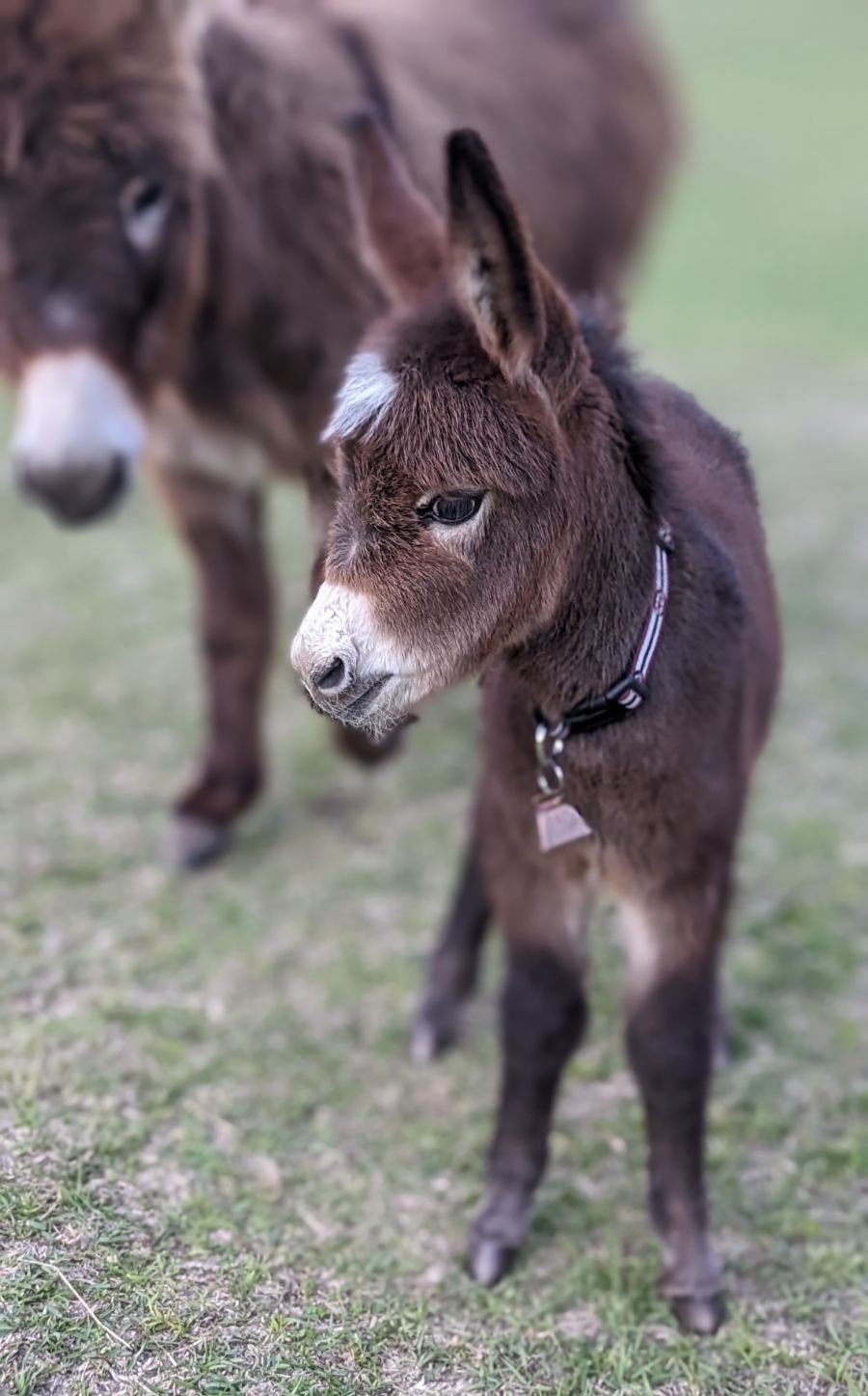
    particularly nine-day-old Penelope a/k/a Penny

    Penny is the newest addition to our good friend Susan’s farm in Elgin – Susan loves her Gamecock women’s basketball team almost as much as she loves Penny.

    Here’s to new life in the spring, renewed hope in a future that includes another national title for Coach Staley and her Gamecock women in the NCAA tournament starting today in Columbia!

    Go Gamecocks!

  • we are all Wonder Women


    Four years ago I published this piece and today felt a need to remind ourselves and others of our power. To whom it may concern: Do Not Try to Control our Bodies. Bad idea. We will remember in November.

    Huge thanks to my good Sister Marla Wood for posting this powerful image on her FB page. I thought when I saw it, wow, this is a great theme for Women’s History Month. Let’s get down to it.

    In March, 2021 women are in powerful positions across the globe. Vice President Kamala Harris cast a deciding vote in the US Senate March 04th. to break a tie (50 Democrats for – 50 Republicans against) beginning debate on President Biden’s massive $1.9 trillion Covid Relief Bill approved by the House of Representatives. Bi-partisan support for the bill? No, not really.

    But the first woman veep in American history who also serves constitutionally as President of the Senate said hey boys, either jump on this train to help people who are sick, jobless, grieving the loss of loved ones, struggling to keep food on the table and/or a roof over their heads for their children because of a pandemic the previous administration chose to ignore as science fiction – or don’t. This train is leaving the station.

    Celebrate Women’s History Month by discovering the Wonder Woman you are!

    *****************************

    Stay safe, stay sane and please stay tuned.

  • an other-worldly woman of substance


    Photo by eberhard grossgasteiger on Pexels.com

    The reality is that you will grieve forever. You will not “get over” the loss of a loved one; you will learn to live with it. You will heal and you will rebuild yourself around the loss you have suffered. You will be whole again, but you will never be the same. Nor should you be the same. Nor would you want to. — Elisabeth Kubler-Ross (1926-2004)

    Kubler-Ross devoted most of her adult life to death and dying. She was a pioneer in hospice care, palliative care, and a leading researcher in the lives of the terminally ill. “One of her greatest wishes was to build a hospice for abandoned infants and children infected with HIV to give them a lasting home where they could live until their death. Kübler-Ross attempted to set this up in the late 1980s in Virginia, but local residents feared the possibility of infection and blocked the necessary re-zoning. In October 1994, she lost her house and many possessions, including photos, journals, and notes, to an arson fire that is suspected to have been set by opponents of her AIDS work.” (Wikipedia)

    In her lifetime Kubler-Ross wrote over twenty books on death and dying, was in the National Women’s Hall of Fame, was one of Time magazine’s Top Thinkers of the Twentieth Century, Woman of the Year in 1977, and became a leader as an advocate for spiritual guides and the afterlife despite scandals from her association with a charlatan medium in the late 1970s.

    When I enrolled my mother in hospice care in 2011, I didn’t realize the connection the excellent end of life care she received through the program had been co-founded by a woman who believed in treating the dying with dignity. The team of caregivers we had for the last few months of Mom’s life were compassionate, capable, and centered on her needs. I was also amazed by their assistance throughout the first year of my grieving process following her death.

    As I approach the twelfth anniversary of my mother’s death, I want to honor Elisabeth Kubler-Ross during Women’s History Month, one of the women who had the courage to explore her passion for peace, to protest injustice, to pursue theories considered to be too controversial in an unknown frontier. Elisabeth gave us permission to grieve for losses too painful to deny.

    Yes, the reality is that we will grieve our losses forever, but it’s also true we will be whole again. Never the same, but whole again. That’s cause for celebration.

    ******************

    For all those who grieve.

  • The Great Depression Friendship Quilt


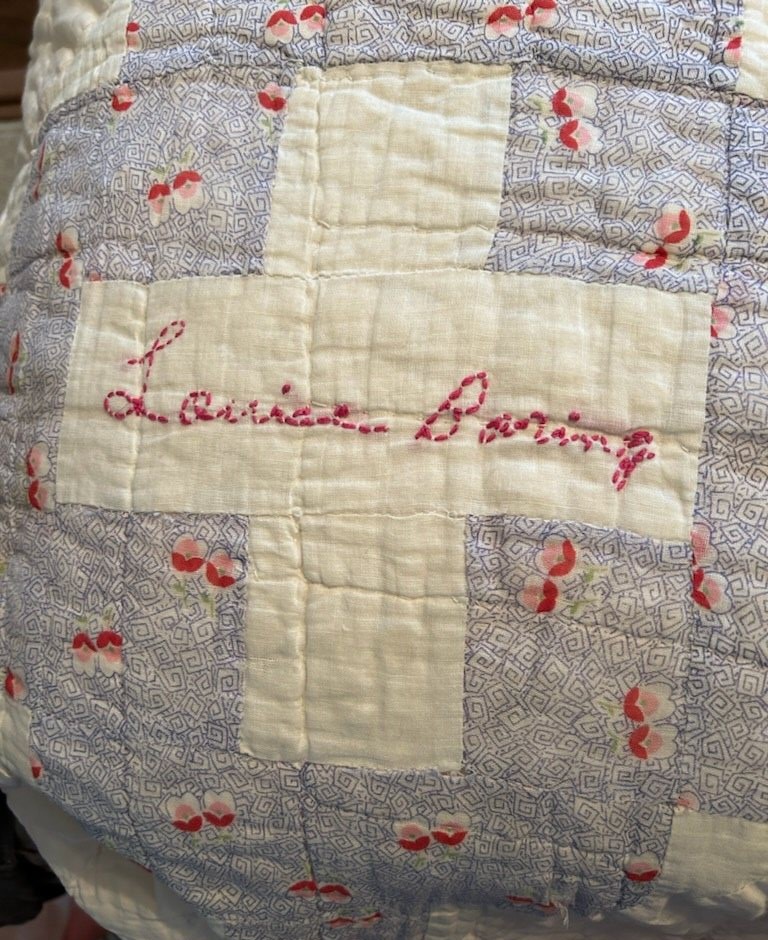
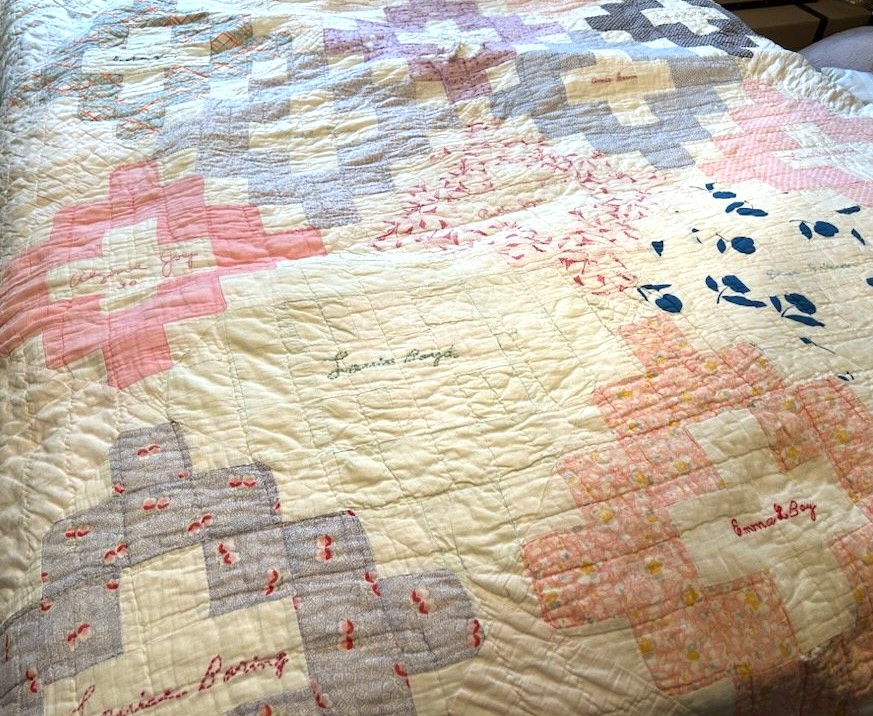
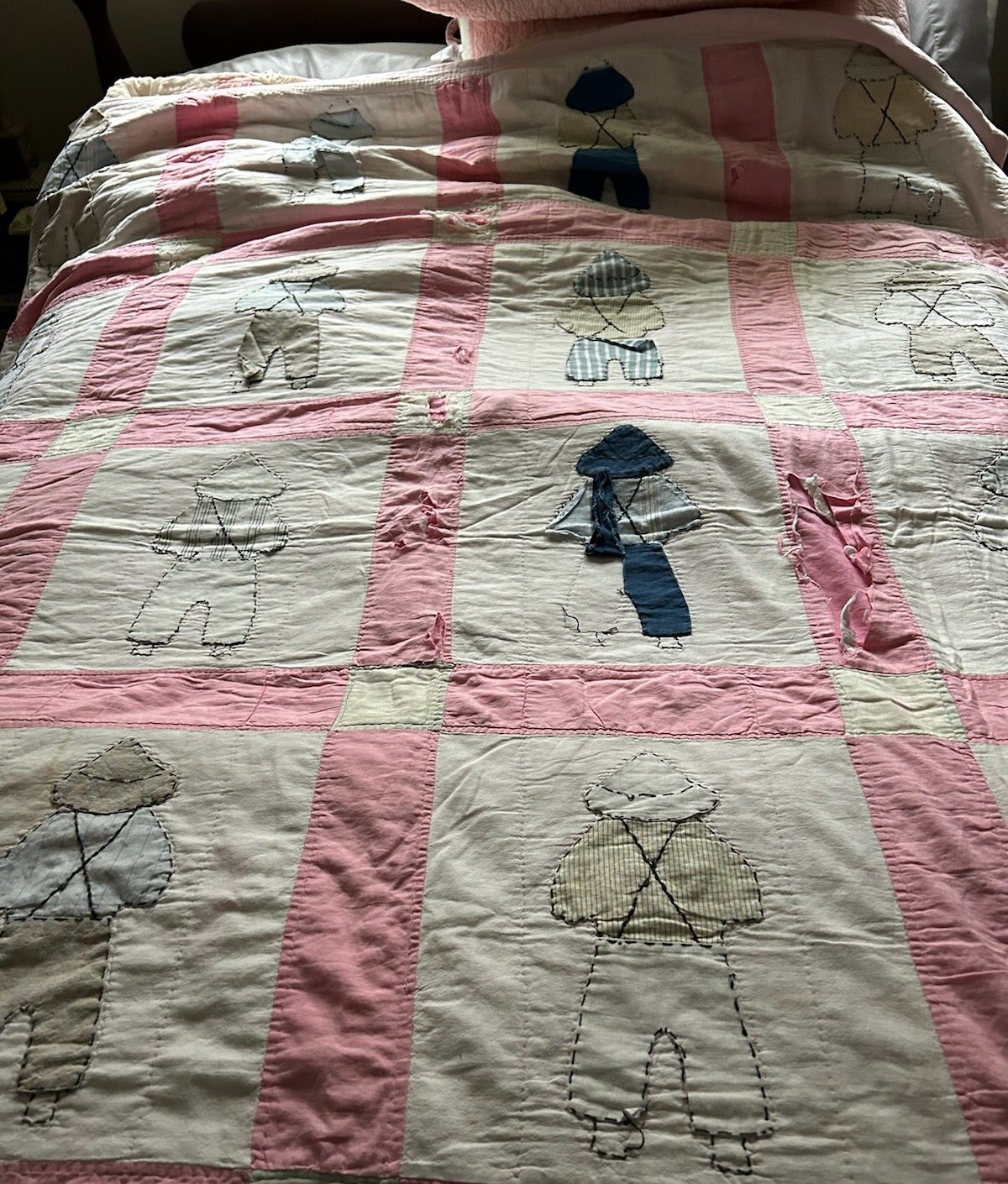
    Since I neither quilt nor sew, why would the friendship quilt above have special significance to me? Because the signature in this particular block was made by my maternal grandmother Louise Boring (1898-1972) as part of a friendship quilt given to my paternal grandmother Betha Morris (1903-1983) by a group of her friends during the Great Depression before Louise and Betha became in-laws in 1945 when Louise’s daughter Selma eloped with Betha’s son Glenn. My grandmother Betha Morris a/k/a Ma to me kept the quilt forever, and I miraculously ended up with it.

    Quilts were popular during the Great Depression of the 1930s because they were usually made from leftovers of scraps from other sewing. The “friendship quilt” was unique in its composition because it was composed of signed blocks of the same pattern, often followed by an inscription.

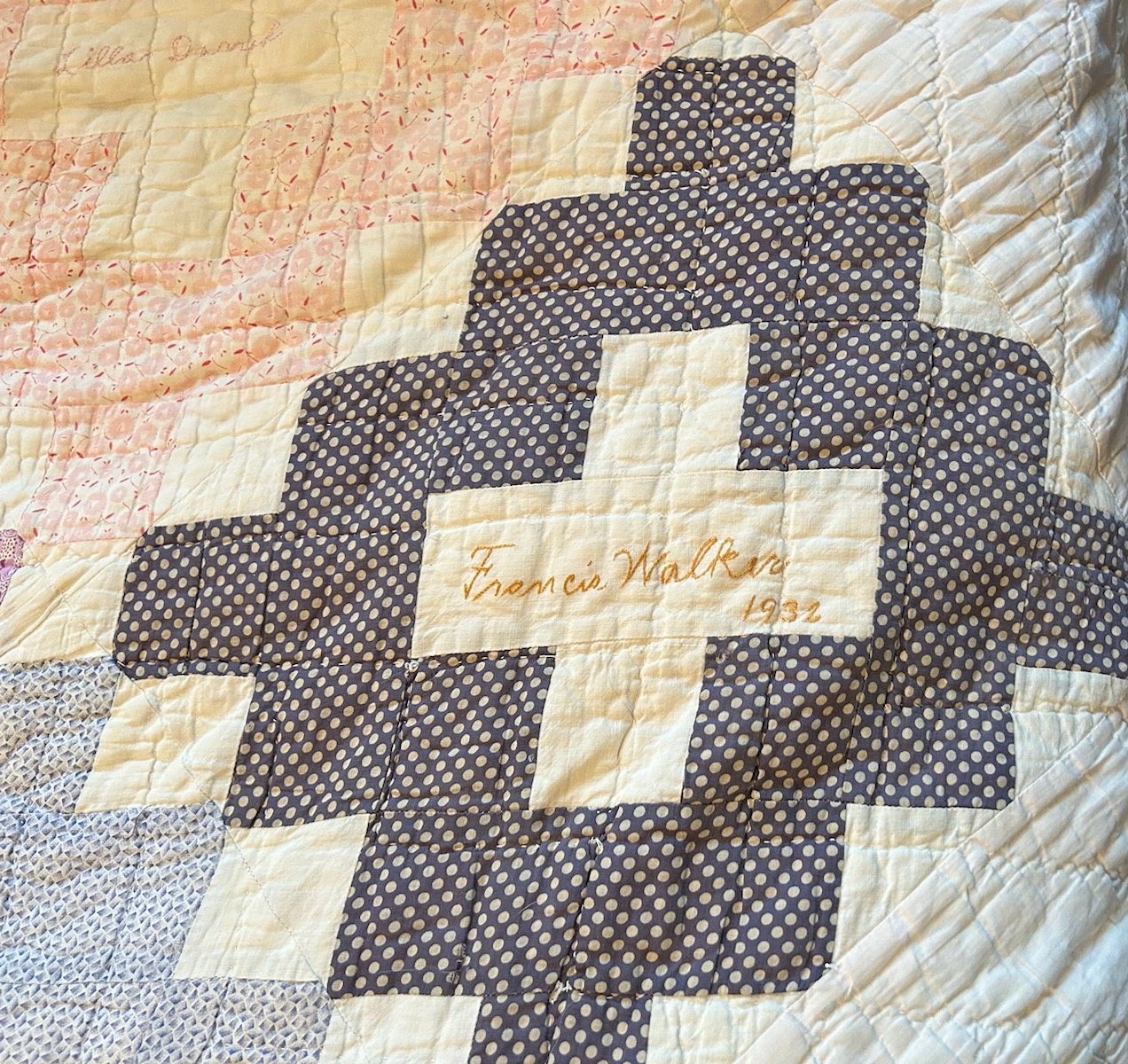
    Note that Lucile Whitfield’s date shown was 1930 while the only other date (1932) belonged to Francis Walker. I’m assuming those are the only dates to indicate when the quilt was begun and when it was finished.

    I remember asking my grandmother Ma about the names on the quilt when she took it down from the top (and only) shelf in the tiny closet in her spare bedroom where I often slept as a child. That room felt like a refrigerator in the winter time, and I begged Ma for more covers. She would get her friendship quilt and one more I still have.

    Somehow in my travels, moves, relocations, embarrassing exits that took me from my little hometown of Richards, Texas, with its familiar names on the friendship quilt to far away places I didn’t know existed seven decades ago, I managed to hang on to these two quilts that have come to rest in a closet at our home on Cardinal Drive in South Carolina.

    Due to circumstances beyond our control regarding Pretty’s health, I was banished to sleep in our “guest room” on my paternal grandparents’ bed, another treasure, which required reinstating these two quilts which seventy years ago kept me warm. Although the quilts now show wear and tear, they still kept me warm on a cold night this week. As I fell asleep under the weight of the quilts, I thought about my grandmothers and their connection to The Great Depression of the 1930s they survived to become major influences in my history – two women whose love and devotion became my North Star that led me home.