Tennis GOAT Serena WilliamsatUS Open Tournament in 2013
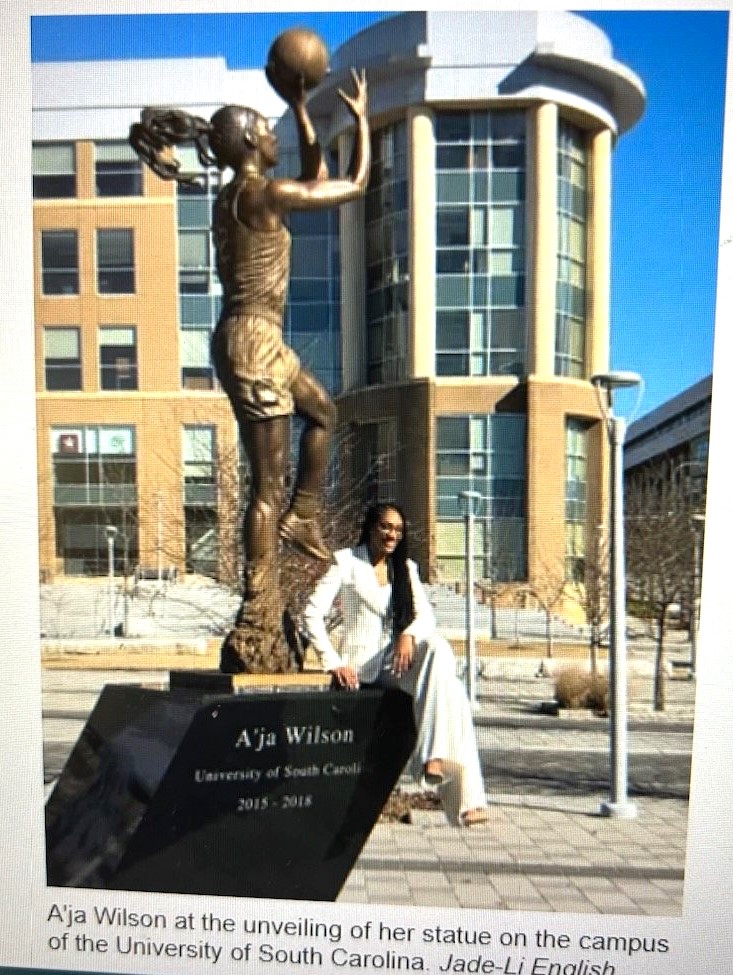
Occasionally Pretty sends me an unforgettable image from her Twitter Scrolls – this one made my visual week highlights – three of my favorite Black women in sports.
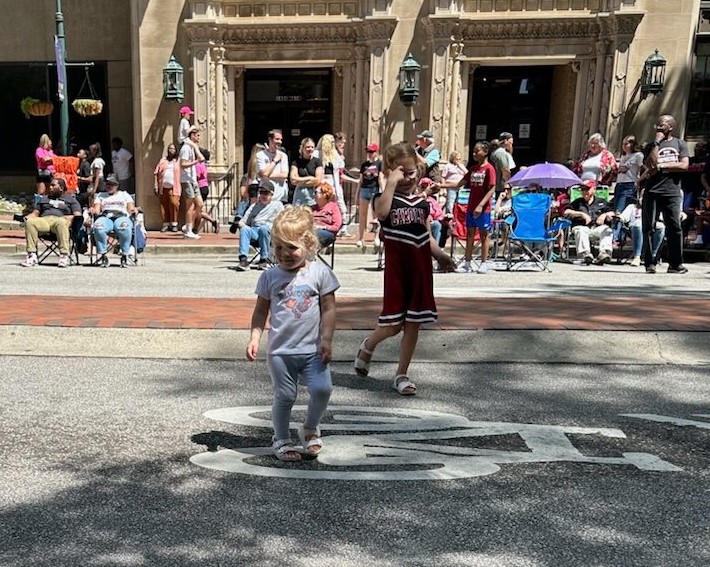
Good start to Celebration Sunday with National Championship Parade this afternoon! Go, Gamecocks!
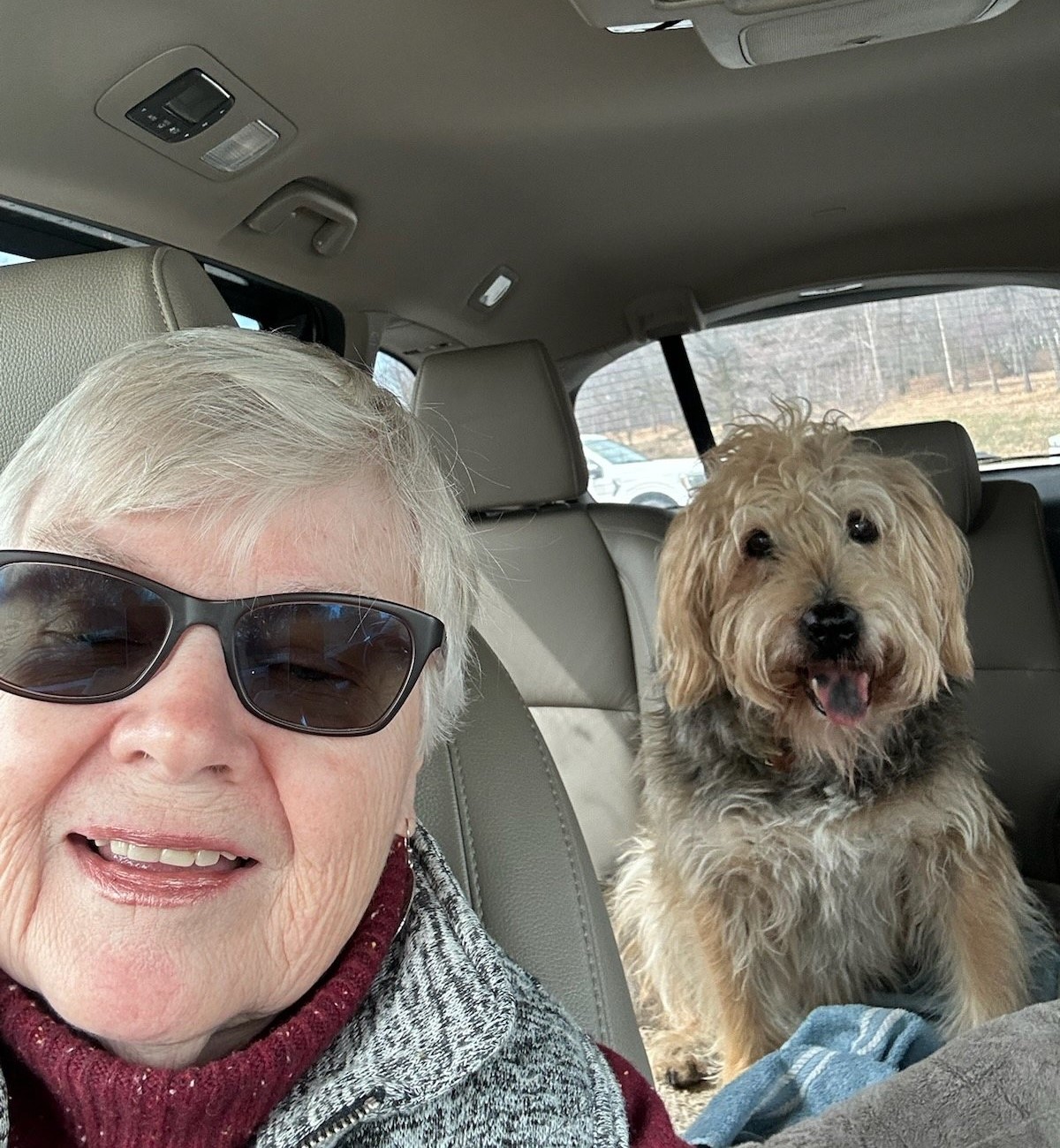
Our family road trips following the Texas years have been far and few between as my cousin Martin used to say, but March Madness brings the passions that are often an impetus for wild yearnings to be a part of something bigger than our living rooms. Before you could say Go Gamecocks, Carl and I were passengers in our Grannymobile being driven by Pretty to watch our Gamecock women’s basketball team play in the Sweet Sixteen in Albany, New York, a mere 853 miles from our home in West Columbia, South Carolina.
We were welcomed by North Carolina, West Virginia, Pennsylvania, Maryland, New Jersey, and New York on our trip – but Virginia’s Blue Star Memorial Highway pet rest area was Carl’s personal favorite. Pretty and I oohed and aahed over the beautiful Shenandoah Valley in Virginia between the Blue Ridge mountains to the east and the Alleghenies to the west while Carl slept in the back seat. He missed breathtaking vistas during that 140-mile portion of the trip but didn’t seem bothered when he woke up in West Virginia.
Gamecock mascot Cocky cheers with fans at team send-off in their Albany hotel on Game Day, Baby!
Associate Head Coach Lisa Boyer and me in hotel lobby
(hm. I possibly had cocktail before this picture was taken)
Head Coach Dawn Staley leads team through hotel lobby to bus
basketball buddy Brian, me and Pretty in MVP Arena on Game Day
basketball buddy Robert with new Gamecock friends we met at game
Brian, Robert, me and Pretty thrilled as Gamecock women wins in Albany send them to 2024 Final Four!
Consider the 2023-24 South Carolina Gamecocks women’s basketball team which at the end of the regular season + the SEC tournament + the first two games of the 2024 NCAA women’s basketball tournament + the Sweet Sixteen + the Elite Eight = the only undefeated team on the road to Cleveland, Ohio, for the Final Four. Go Gamecocks!
****************
We’ll be watching March Madness this weekend at home from our living room – still trying to catch our breaths from road trip – catching up with laundry, too.
(Thanks to Robert, Brian, and Pretty for photos used today.)
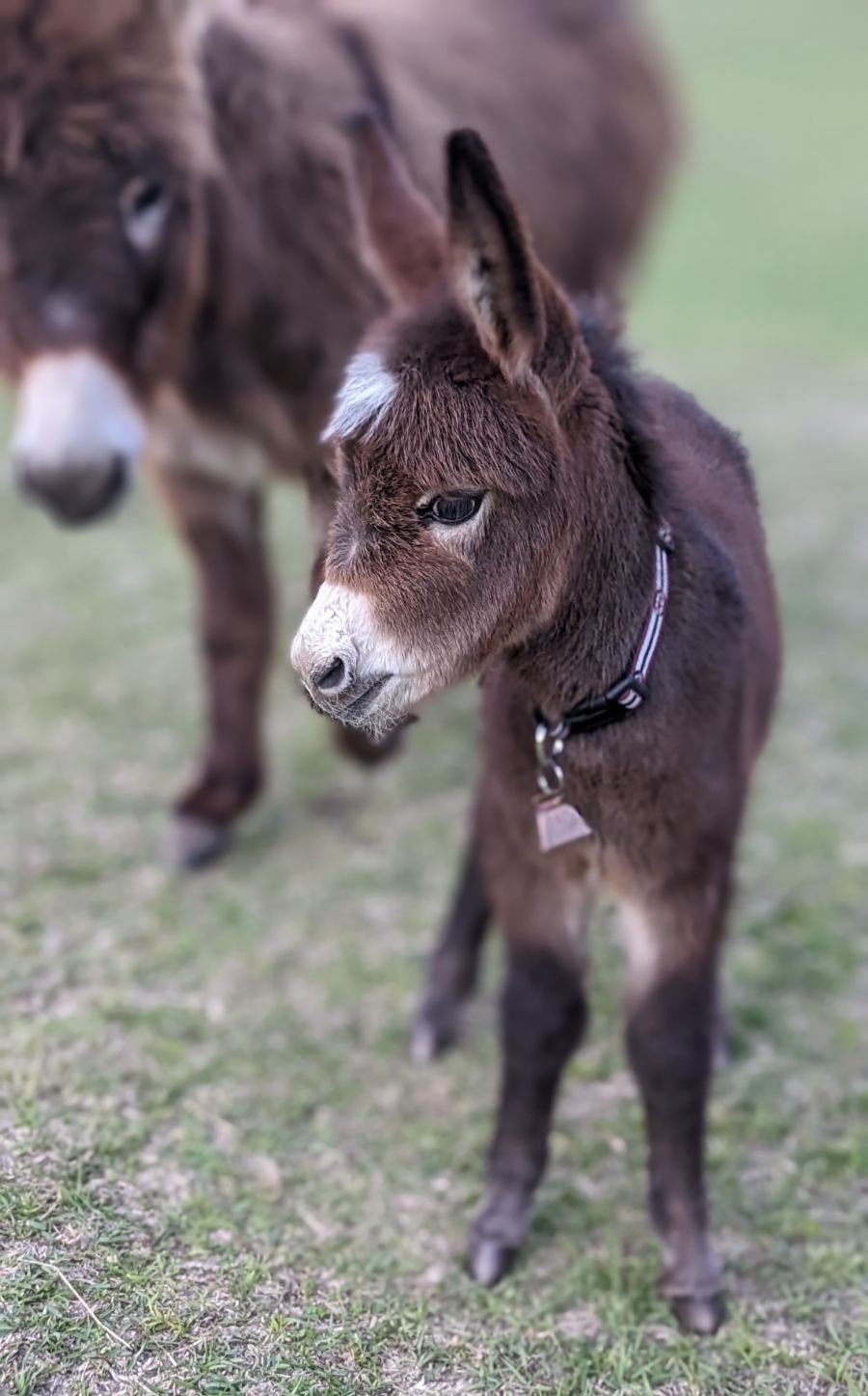
Penny is the newest addition to our good friend Susan’s farm in Elgin – Susan loves her Gamecock women’s basketball team almost as much as she loves Penny.
Here’s to new life in the spring, renewed hope in a future that includes another national title for Coach Staley and her Gamecock women in the NCAA tournament starting today in Columbia!
On June 30, 1966, the National Organization for Women was founded by activists who wanted to end sex discrimination. Who could argue with that lofty goal?
Oh, well. Just about everyone. Many men felt threatened in those early days by a national organization formed to remove barriers of discrimination they liked and needed. Women of color often felt excluded because they weren’t represented in the movement. Queer women felt equally left out. Voter suppression wasn’t a major talking point. Intersectional feminism, what exactly was that? Misunderstood, misconstrued, lost in translation – the challenges of the early days of the National Organization for Women.
In an effort to better explain its mission, Article II of the bylaws adopted by the NOW membership in 2020 states the following:
NOW’s purpose is to take action through intersectional grassroots activism to promote feminist ideals, lead societal change, eliminate discrimination, and achieve and protect the equal rights of all women and girls in all aspects of social, political, and economic life.
NOW’s 2024 Action Plan aims to “win a feminist vistory in the 2024 elections, defeat estremist attacks and restore women’s rights” through grassroots campaigns.
Since I neither quilt nor sew, why would the friendship quilt above have special significance to me? Because the signature in this particular block was made by my maternal grandmother Louise Boring (1898-1972) as part of a friendship quilt given to my paternal grandmother Betha Morris (1903-1983) by a group of her friends during the Great Depression before Louise and Betha became in-laws in 1945 when Louise’s daughter Selma eloped with Betha’s son Glenn. My grandmother Betha Morris a/k/a Ma to me kept the quilt forever, and I miraculously ended up with it.
Quilts were popular during the Great Depression of the 1930s because they were usually made from leftovers of scraps from other sewing. The “friendship quilt” was unique in its composition because it was composed of signed blocks of the same pattern, often followed by an inscription.
Note that Lucile Whitfield’s date shown was 1930 while the only other date (1932) belonged to Francis Walker. I’m assuming those are the only dates to indicate when the quilt was begun and when it was finished.
I remember asking my grandmother Ma about the names on the quilt when she took it down from the top (and only) shelf in the tiny closet in her spare bedroom where I often slept as a child. That room felt like a refrigerator in the winter time, and I begged Ma for more covers. She would get her friendship quilt and one more I still have.
Somehow in my travels, moves, relocations, embarrassing exits that took me from my little hometown of Richards, Texas, with its familiar names on the friendship quilt to far away places I didn’t know existed seven decades ago, I managed to hang on to these two quilts that have come to rest in a closet at our home on Cardinal Drive in South Carolina.
Due to circumstances beyond our control regarding Pretty’s health, I was banished to sleep in our “guest room” on my paternal grandparents’ bed, another treasure, which required reinstating these two quilts which seventy years ago kept me warm. Although the quilts now show wear and tear, they still kept me warm on a cold night this week. As I fell asleep under the weight of the quilts, I thought about my grandmothers and their connection to The Great Depression of the 1930s they survived to become major influences in my history – two women whose love and devotion became my North Star that led me home.
You must be logged in to post a comment.