Category: The Way Life Was

  • Sleepless in Seattle – Part 1 (from Not Quite the Same)

    Sleepless in Seattle – Part 1 (from Not Quite the Same)


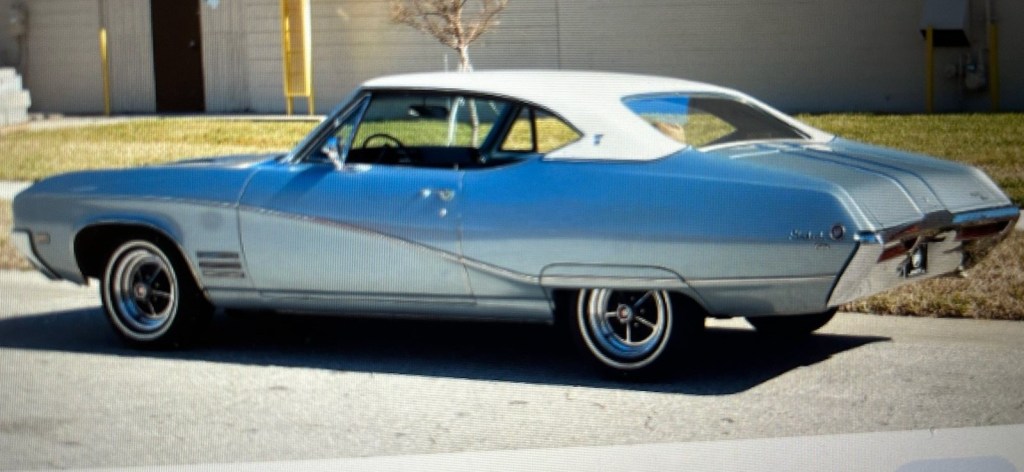
    The 1968 Buick Skylark was a sweet ride.

                 My daddy always bought either a Chevrolet from Mr. Dickey at his dealership in Anderson, Texas, or a Ford from Virgil Cook in Shiro. My granddaddy always purchased Fords from Mr. Cook because he was one of the best customers in Pa’s barbershop. My Uncle Marion, my mother’s oldest brother who lived with us in my grandmother’s house, faithfully bought Studebakers from my Uncle Floyd Hiney at the Mosehart & Keller dealership in Houston. Nobody in my family ever owned a Buick.

                When I was in college, daddy bought me an old Nash Rambler that had seen better days. It was a creamy beige four-door sedan that later became famous as the forerunner of other compact models. The most adventuresome feature of my car was its stick-shift transmission. That was exciting because Austin was a city of many steep hills, and I held my breath when a stoplight changed to red at the top of one of them.

                One Saturday morning I was on my way to Richards to visit my grandparents and got stuck on the pinnacle of a steep horizontal incline at a red light just beyond Memorial Stadium. I pushed in the clutch and gunned the accelerator. Unfortunately, I hadn’t put the car in first gear. It was in neutral. I rolled backwards into the car behind me. The older female driver was in her bright shiny new Cadillac. She got out of her car and berated reckless UT students in general, and me in particular. Although the damage to either vehicle was nonexistent, I never lost the feeling that danger lurked whenever I saw green lights turn yellow.

                My position with the firm of Arthur Andersen & Company in Houston following my graduation from college definitely required new wheels. As soon as I got my first paycheck, I took the initial step towards supporting the American economy by borrowing money to buy a new car. I settled on the Buick because I felt it was a move up from the Fords and Chevrolets of my family. I was upwardly mobile.

                 I liked the Skylark for its sporty two-door coupe look. I chose a deep blue color with a white hard top. Automatic transmission. It was a great car, and it was only ninety-eight dollars monthly. I applied for a new Exxon credit card to make sure I never ran out of gas. I joined the other Baby Boomers who believed in the 1960s that postponing purchases due to lack of cash was folly.

                When my friend Adrian Ferrell and I decided in 1968 to move to Seattle by looking at the farthest place from our apartments in Houston on a map of the United States, I told her we could take my car. It had low mileage and looked super fine. We saw no reason to drive two. The problem with a two-door coupe was that it didn’t have tons of room in the back seat or in the trunk. Since all my worldly possessions consisted of a small portable color television set, record player, a few textbooks and clothes, there was plenty of space for Adrian’s belongings. At twenty-two years of age, neither of us had had time to accumulate much.

                My family was aghast at this turn of events. It was the first time, to their knowledge, that I had done anything so totally unexpected and reckless. My mother and dad maintained their composure better than my grandparents in the early stages of my revelations. My dad philosophized that he had been on his own in England at my age. Of course, there had been a world war to fight. So, maybe that wasn’t the best comparison.

                My grandmother, Ma, on my daddy’s side, voiced everyone’s questions that they were reluctant to ask. Was I crazy? Had any of our people ever lived in Seattle, Washington? Did I know one person in that city? What would I do for work? What would I do for a place to live? Who was Adrian Ferrell? Were any of her people in Seattle, Washington? Did I know that I was breaking her heart by moving so far away from home? After all, she didn’t have that many years left. And on and on. She was not happy.

                When I said goodbye to my mom and dad on that gorgeous Texas day in September 1968, my mother wept. I hugged her and tried to reassure her that everything would be okay. She was inconsolable.

                My dad reminded me that roads ran both ways and I could come home if I was disappointed with life in the Pacific Northwest. I hugged him, too, and said I would call them when I could. He magnanimously told me to feel free to call collect.

    ******************

    The journey begun that day in September 1968 was about much more than a change in geography 3,000 miles from my weeping mother on that driveway in Rosenberg, Texas. I was looking for freedom to discover, to accept, possibly to embrace the secret desires of my heart. I was looking for love and, if I had to leave my family to find it, well that was the price I had to pay. Had I fully grasped the magnitude of the price I would pay for my choice over the next fifty years, I’m not sure I would have driven away in the Buick Skylark, but hormones were raging; they were my personal call of the wild. Get me outta here, Percy.

    ********************

    To be continued. Please stay tuned.

  • Sheila Gets a Shave (from Deep in the Heart)

    Sheila Gets a Shave (from Deep in the Heart)


    “George, here comes Sheila for her shave,” said Old Man Tom Grissom, who was already in his favorite spot in the barbershop by the time I got there.

    Ma, my grandmother who had been married to Barber George Morris for over forty years, said Tom Grissom ought to pay rent for all the time he spent sitting on that bench in the shop. Pa, my grandfather the barber, just laughed like he always did. He’d be charging rent to a lot of old men if he ever got started on that. The barbershop was a thriving business on Main Street in Richards, Texas. Main Street was the only paved street in Richards (Pop. 440), and Pa was the sole barber in the area. People drove from all over Grimes County to his out-of-the-way shop with one barber’s chair that was bought in the 1930s when he first opened. Waiting patrons and gossipy old men sat on two wooden benches.

    Past the benches was a shoeshine stand that Pa used when somebody wanted shiny boots. Along the wall behind the barber’s chair were a long mirror and two shelves that held the glass display boxes. One of the boxes housed gleaming scissors, combs, and brushes for haircuts. The other held shaving mugs, razors, and Old Spice bottles for the shaves. Everything was spotless.

    Pa was happy to see me. “Hey, sugar. You here for your shave?” he asked.

    “I sure am, Barber Morris,” I replied in my most grownup customer voice. It was the summer after my second grade in school, and I loved to come to the barbershop. Sometimes I brought my play knife and sat on the porch outside the shop and whittled with the old men who lolled there for hours just talking and whittling. Other times, I had business with my grandfather.

    Like today. Pa got out the little booster seat and put it in the barber’s chair so I could climb up on it. I was too small to sit in the chair without it.

    “How about a haircut with your shave? That pretty blonde hair is getting too long for this summer heat,” he said.

    “No, thanks, Pa. Mama always tells me when to get my hair cut,” I said. “Just a shave today.”

     Old Man Tom Grissom nodded at this. “I sure wouldn’t be cutting that blonde hair without Selma knowing,” he said. “She’s mighty particular about things.”

    “I appreciate your advice, Tom,” Pa said with a trace of annoyance. “But Sheila Rae and I are just having a conversation for fun. Nothing serious.”

    Pa listened as Tom Grissom talked and talked and talked some more about delivering the mail that morning. Being the Richards rural-route carrier was hazardous, to hear him tell it: cows in the road to drive around, barking dogs chasing armadillos right in front of him. This was hard work, and then you had the heat! Why, he couldn’t keep his khaki uniform dry from all that sweat. Yes, sir, this was no job for the faint-hearted. And on and on.

    Meanwhile, Pa had placed the thin white sheet over me and leaned the chair back just far enough to start to work. He lathered up the shaving cream in his mug with the brush and dabbed it on my face. I loved the smell of the shaving cream. He let that soak while he took the razor strop attached to the chair and swished it up and down slowly and methodically to get it just right. It didn’t matter to me that he was using the side without the blade. It made the same swishing noise.

    Then he took the bladeless side of the razor and gave me the best shave ever. He was very careful to get every part of my face. He even pinched my nose so that he got the part between my mouth and nose just so. Pa was an artist with his razor and scissors. He put a warm wet white cotton laundered towel over my face and rubbed off the last of the shaving cream. It felt so clean. Finally, he took the Old Spice After-Shave and gave it a good shake, rubbed it on his hands, and then on my face and neck. Nothing beats the aroma of Old Spice.

    Old Man Tom Grissom said, “Well, that ought to do you for a week or so, won’t it?”

    “Yes,” I said. “Probably so. We’ll see.”

    Pa gave me the worn yellow hand mirror that he gave to all his customers to inspect his handiwork. I studied my face thoughtfully.

    “Well, how does it look to you?” he asked with a smile. “Time to pay up. That’ll be two bits for the shave. That’s with the favorite granddaughter discount.”

    “Very good, Barber Morris. Much obliged.” I reached into my jeans pocket and brought out some play money coins and handed them to Pa.

    Just about that time, Ma drove up and got out of her car. “George, what’s Sheila Rae doing in that chair?” she bristled.

    Old Man Tom Grissom said, “Betha, Sheila Rae’s here for her shave.” Ma gave him a withering look and said, “Is your name George? Don’t you have any mail to deliver, or would that require removing yourself from that bench you warm every day?”

    I got down from the barber’s chair and ran over to Ma and tried to reassure her that everything was all right. Ma looked at Pa and said this was just what she had been telling him the other night about encouraging me in all this foolishness.

    “She shouldn’t be spending her summer hanging around this shop,” she said, looking accusingly at Pa, who said nothing.

    “Ma, can I have a nickel to go get an ice cream cone at the drug store? Getting a shave makes me hungry.” Ma never said no to me, so I got my nickel and left. I walked across the street to Mr. McAfee’s drugstore and got my Blue Bell vanilla cone and headed home.

    I saw Ma and Pa still in animated conversation at the shop.

    Old Man Tom Grissom had gone home.

    **********************

    Deep in the Heart: A Memoir of Love and Longing was published in 2007 when I was 61 years old. Much has changed in the past 16 years, but I continue to smile when I read this story of the little girl growing up in the 1950s in the tiny town of Richards, Texas. I can see her now walking the block on a red dirt road from the house where she lived to Main Street, not in any hurry but not dawdling like she did some time, on her way to town. Summertime meant no school, looking for things to do during the day for the only child whose few playmates might not be around, so her mother let her go to town to be entertained by her grandparents. Her mother’s mother worked in the general store as a clerk, so Sheila Rae could stop there for a hug and maybe a nickel for a candy bar unless her grandmother had customers in the store, or she could walk past the general store and the post office to the next small building that housed the barbershop owned by her grandfather on her daddy’s side. Someone once said to my father, “Glenn, you have such a happy child. She’s always smiling,” to which my daddy replied, “Why shouldn’t she be happy? Nobody ever tells her no.” When I wrote this book in 2007, I’m sure I didn’t fully understand what he meant by that remark. Now that my wife and I have two granddaughters, I totally get it.

  • how do I love thee? let me count the ways

    how do I love thee? let me count the ways


    Last night Pretty and I were watching a new comedy on Netflix when she suddenly sat up and said, tomorrow is the 9th. of February, our 24th. anniversary. This was huge because for twenty-three years Pretty had problems remembering the date. Bravo!

    I usually began the reminder process in January every year with a conversation that followed along these lines. Pretty, you know we have an anniversary coming up in February. Oh yes, she would say. What day is it then? I asked. Time passed as the wheels turned. I could see them turning. Is it the 12th.? she finally guessed. No, I replied with outright disgust. It’s the 9th. Pretty said oh she knew it was either the 9th. or the 12th. but thought she always got it wrong so she went with the one she didn’t really think was right. Didn’t I say I saw the wheels turning? For twenty-three anniversaries, Pretty has never remembered the right date. I always remember because I have it written on my calendar, and I don’t consider that cheating. I consider it brilliant. (Was that a calendar I saw in Pretty’s lap last night? Hmm.)

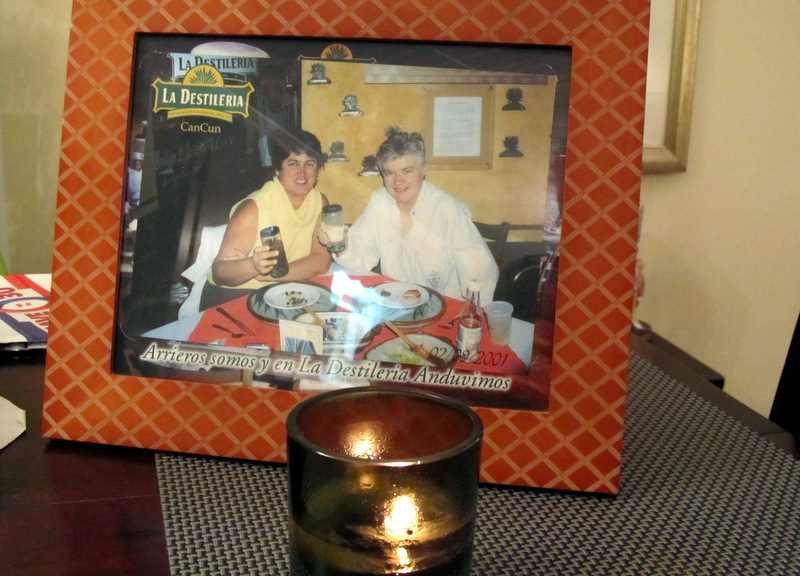
    Return with me to those thrilling days of yesteryear to meet Pretty who magically changed from being a close friend and confidante (before the spontaneous trip to Cancun pictured above in February, 2001) to a woman who was hotter than the salsa we had with dinner at La Destileria the first night we were there. And trust me, that salsa was hot.

    Pretty was “out” in a conservative state in a tumultuous era. She was ahead of her time with her Bluestocking Bookstore in the Vista in Columbia before the Vista became cool. Her business closed after three years, but her contribution to the LGBTQ community was recognized and appreciated. She served on the original board of directors for the SC Gay and Lesbian Business Guild formed in 1993 and was the second president of that organization. Her passion for equality was the catalyst for an activist’s life, a passion she and I shared as friends over the decade that was the 1990s.

    At the turn of the century, change was in the air. It was like everyone suddenly realized time was passing faster than a speeding bullet, more powerful than a locomotive and if Superman and Wonder Woman were unlikely to intervene in the chaos and/or uninspiring sameness of our lives, we needed to make radical changes ourselves.

    Both Pretty and I were in long term lesbian relationships that experienced seismic shifts as the first year of the new century came to a close. Our partners began looking for love in other places. Pretty had the additional drama associated with making a home for a fifteen year old son who she adored, an athletically gifted teenager who was the quarterback of his high school football team and the starting pitcher for their baseball team. She mixed her real estate appointments in her new career as a realtor for The Hubbard Group with her tennis league schedules and her son’s games.

    The trip to Cancun was the launching pad for the most adventurous ride of my life. I had no way of knowing then that the gorgeous intelligent intellectually inquisitive woman with the wonderful sense of humor who grew up in New Prospect, South Carolina would marry the woman from deep in the heart of Richards, Texas and that we would be together for the next twenty-four years sharing a life unimaginable to me as a child. Yet, here we are – still laughing at each other’s jokes, still loving, still standing. And yes, still eating Mexican food as often as our older appetites allow; but now with the additional delight of sharing fajitas and quesadillas with our growing family that makes our love richer, more joyful, more playful.

    How do I love thee, Pretty? Let me count the ways, and let me begin with the spicy salsa you have always brought to our family life together for two decades plus now. On that first trip to Cancun, we walked along the beach in the moonlight and I said I would give anything to celebrate our twenty-fifth wedding anniversary together in 2026. Unbelievable. Inconceivable. That seemed like such a long, long time away then, especially since I was fifty-five years old and you were fourteen years younger. We’re almost there, but the years have passed faster than a speeding bullet, our love more powerful than a locomotive.

    Happy 24th. Anniversary, Pretty. Let the good times roll.

    ************************

    granddaughters Ella and Molly at Mexican restaurant

  • You Can’t Paint a Sunset (from The Short Side of Time)

    You Can’t Paint a Sunset (from The Short Side of Time)


    I took a late evening walk down Old Plantersville Road tonight just as the sun was setting. I rounded the curve by the trailer park and walked past the wide open pastures on both sides of the road where the view of a Texas sunset was spectacular. Tonight’s colors of pinks, blues and reds were particularly beautiful; I picked a good spot about halfway to the railroad track to behold the sight.

    As I watched the light colors quickly deepen into darker hues, I was reminded of my mom’s favorite saying about sunsets: “Well, you can’t paint a sunset.  It changes too fast.”  I couldn’t count the times I heard her repeat the sunset quote – and this was before her memory care days. I can only imagine a teacher must have made that remark in the one art class my mother took in her entire life. I wonder if her teacher would be stunned to know what an indelible impression she made on one of her students. If Mom found a phrase she liked, she clung to it.

    The next thought that came to me was we couldn’t walk off into sunsets either, and you can quote me.

    ***************

    When I lived in Texas on Worsham Street from 2010 – 2014, I loved late afternoons as the sun began to signal day’s end while it slowly sank toward the western horizon. I often took a walk on a road one street behind our home called Old Plantersville Road because the best views of sunset were from the wide open spaces of the pastures along the road. This particular walk was in July, 2013 – I can still smile at my mother’s phrase, and I can still see those sunsets that took my breath away.

  • Old Plantersville Road

    Old Plantersville Road


    If today were the last day of your life, where would you want to be?   This is not a trick question.   There are no right or wrong answers and everyone makes an A.   So take a magic mental ride to Wherever-the-Land moves you…

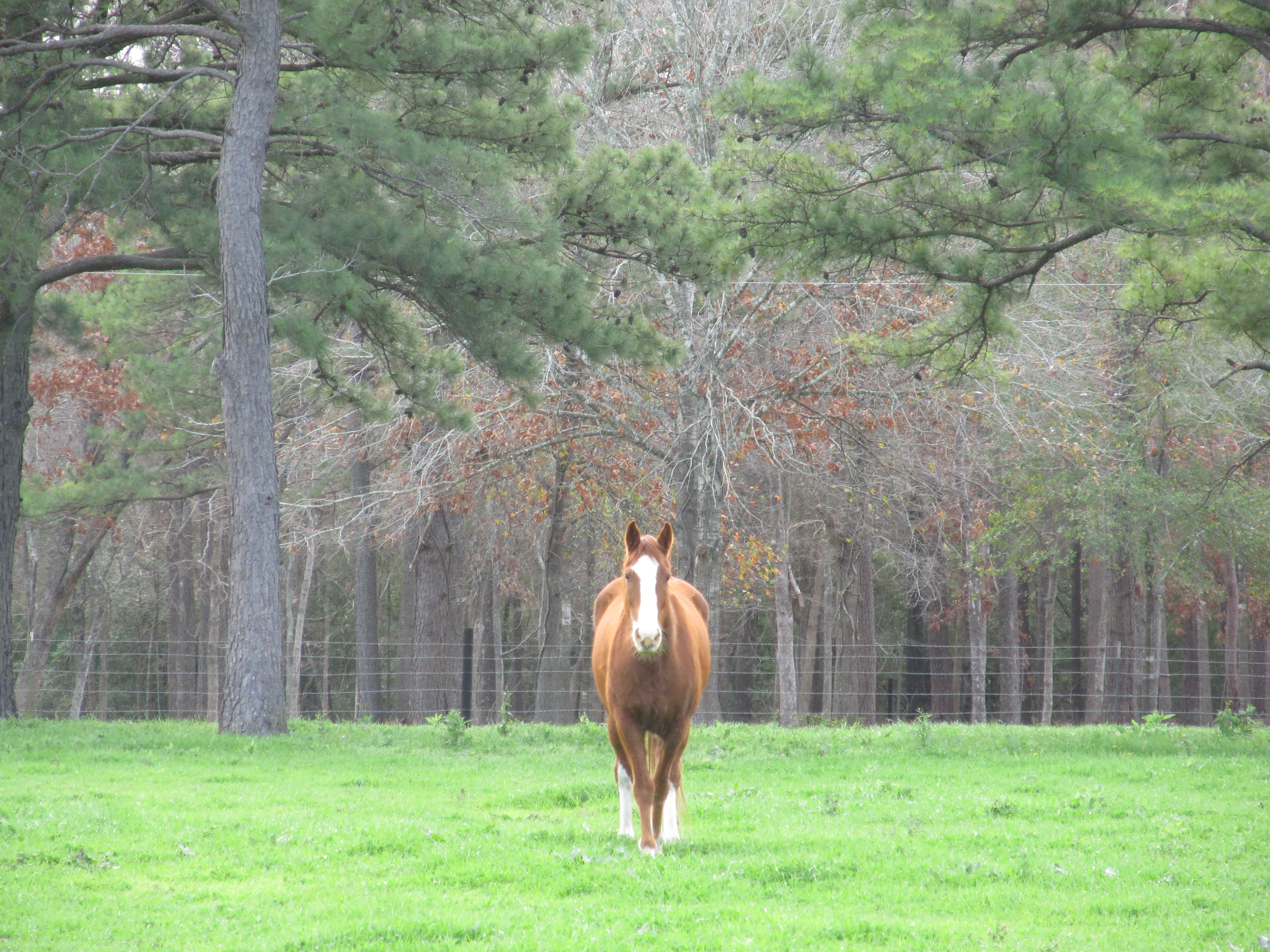
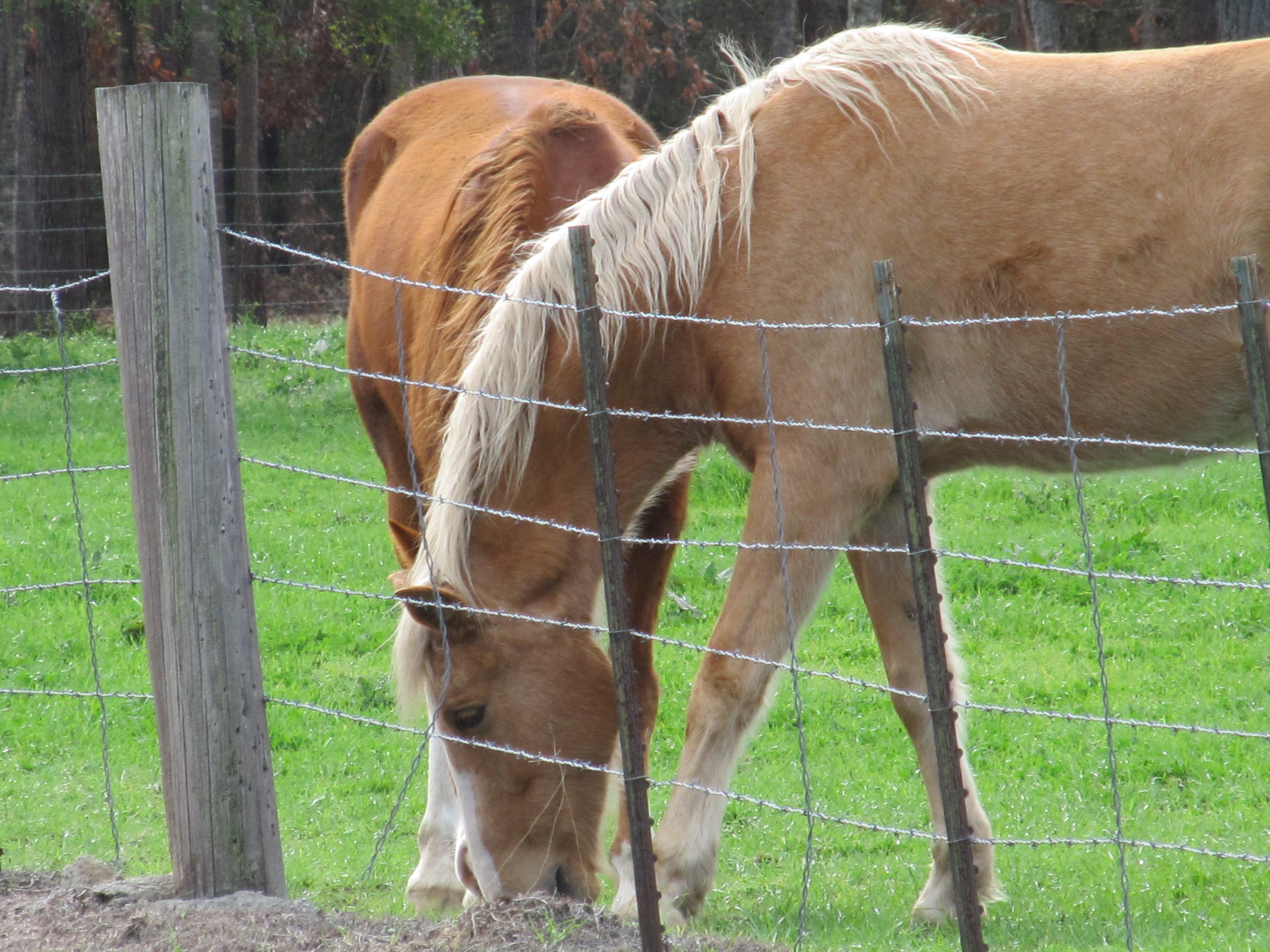
    As for me, I’d be on Old Plantersville Road in Montgomery County, Texas, USA, which is where I was today.   The county workers were mowing the grass and weeds along OPR while I walked with my old dog Annie and the smell of freshly mowed winter clover was intoxicating.   Clouds hid the Texas sun but they were friendly non-threatening light grey wisps that moved quickly from west to east and didn’t bother me a bit.

    I have friends that live in the pastures in the small farms along Old Plantersville Road.   At least, I consider them to be friends as I consider OPR itself to be a friend, but these beauties have limited interest in me and my dog.

    Ho hum.   Just another day in Paradise.

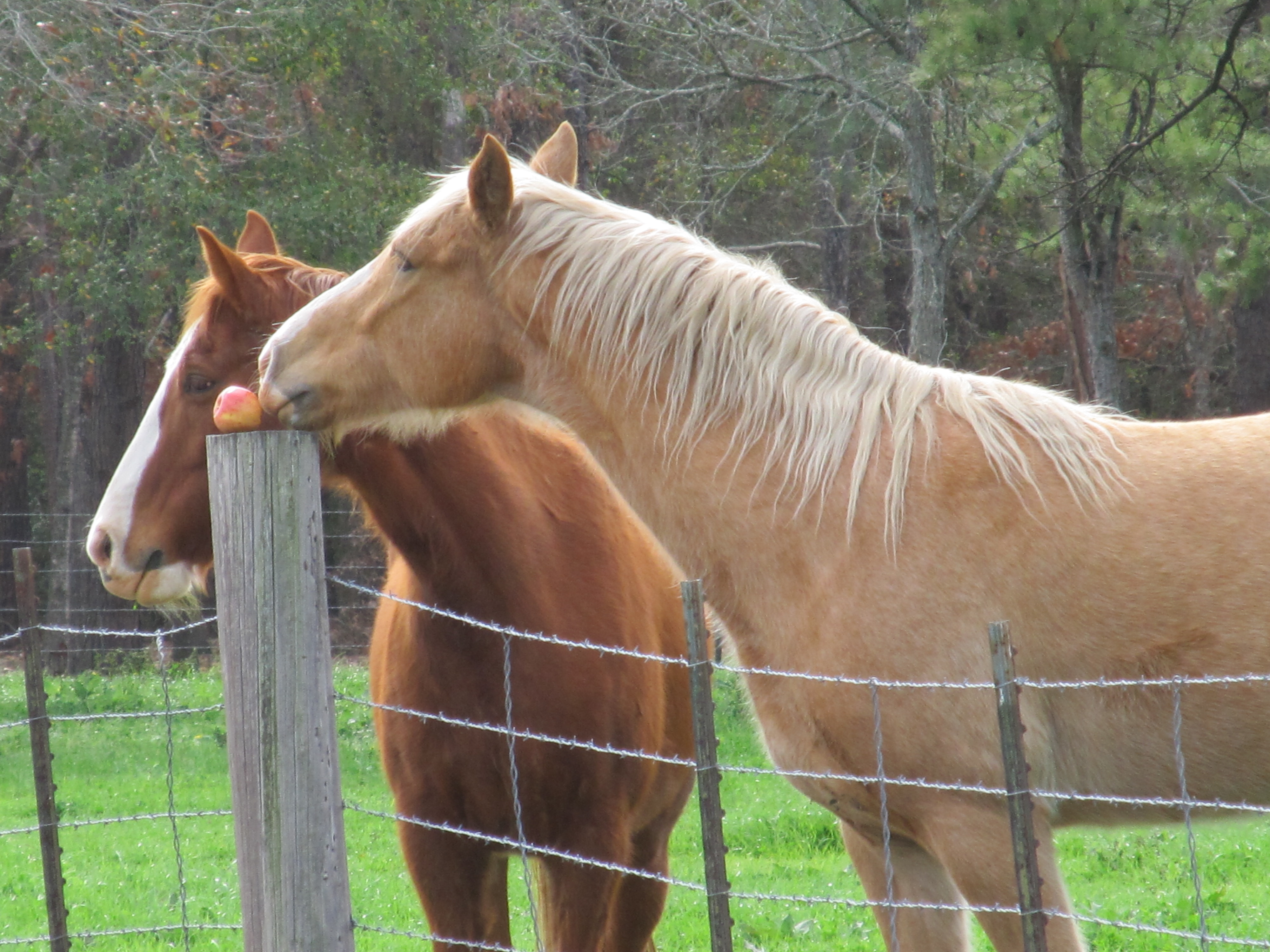
    Is that an Apple?

    Let’s pretend we don’t see it.

    Ok.  How often do we see an Apple on our fence post?

    It’s such a pretty Apple, and it smells so good.

    Who was it who warned us about eating Apples?   I’m thinking they were kidding.

    I don’t think one little Apple could be a problem.   Let’s go for it.

    Delicious.   And I don’t feel the least bit guilty, do you?   Nope.

    The End.

    This is why I love Old Plantersville Road.

    **************

    From one of my earliest posts – when Pretty and I were “bi-stateual” in 2012 – I was in Texas on Worsham Street in Montgomery and Pretty was in South Carolina at Casa de Canterbury.