Tag: rural family life

  • Ma, please tell the three eggs story again

    Ma, please tell the three eggs story again


    Bring a child up with the gift of laughter, and when she is old she will not depart from it. The three eggs story always made me laugh when my grandmother told it, and it still makes me smile. Enjoy.

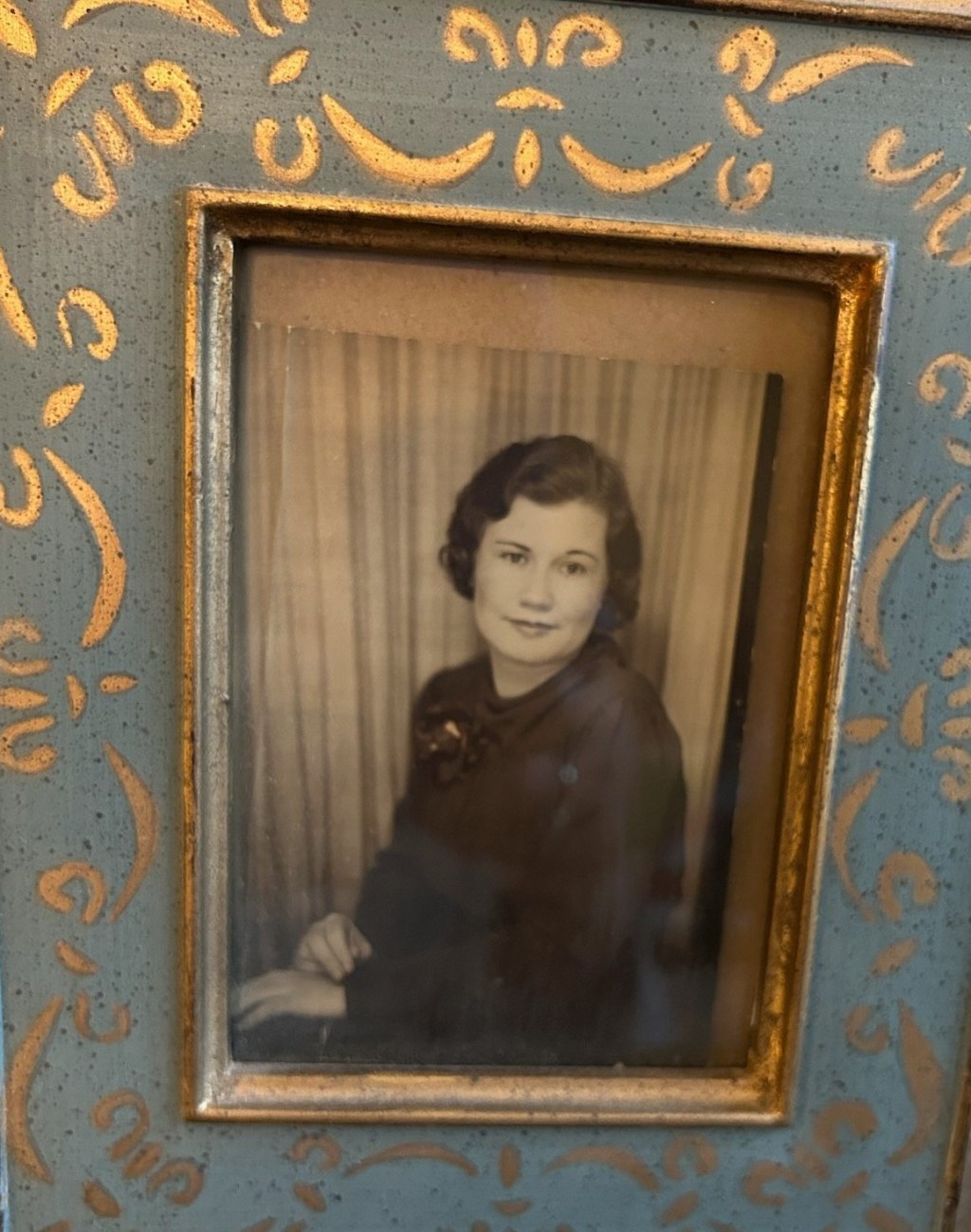
    My paternal grandmother was called Ma by me and her four other grandchildren. We called her that so much even my grandfather changed from her given name Betha to calling her Ma. Ma was a wonderful storyteller who saved her best material for the small round table in her kitchen. Her audience usually consisted of me and my grandfather who, of course, became known as Pa.

    One of my favorite “Ma” stories involved my grandfather’s brother Ebb and his wife Carrie. They lived in Hearne, Texas which was roughly 50 miles from our little town of Richards where my grandfather had a barbershop with one chair. Ma wasn’t very fond of Ebb because he drove all the way from Hearne to have Pa cut his hair for free, and he usually brought his mischievous little twin boys Phil and Bill. Phil and Bill also received the family discount rate of “free,” and this irritated Ma.

    They’re nothing but freeloaders, George, Ma would say to my grandfather after every visit. But that’s not the story. This is.

    The Methodist preacher asked Ebb and Carrie late Saturday afternoon if they would mind to put up Sunday morning’s visiting preacher at their house that Saturday night. Well this put them into a tizzy because Carrie told Ebb the house wasn’t straight and they didn’t have anything for breakfast on Sunday morning. But being the good Methodists they were, they determined to welcome the preacher and give him a place to stay.

    Before the preacher came to the house, Carrie called the bad little four-year-old twins Phil and Bill to the kitchen to tell them they were having company and she didn’t have enough food for breakfast the next morning.. They only had three eggs left so she wanted them to be sure they said no when she asked them if they wanted an egg for breakfast.

    Ebb had them practice the routine Saturday afternoon. Phil, do you want an egg for breakfast?  No, Daddy. Bill, do you want an egg for breakfast?  No, Daddy.

    The next morning came, and  the preacher sat at the kitchen table for breakfast with Ebb and the twins while Carrie was making the food. Phil, do you want an egg for breakfast? Carrie asked. No, Mama, Phil replied.

    Bill, do you want an egg for breakfast? Carrie asked to which Bill answered “me bweve me want fwee eggs.”

    And then Ma would laugh uproariously at the thought of the expression on Ebb and Carrie’s face when Bill asked for three eggs. Ma loved nothing better than capitalizing on the misfortune of others – especially if they were the part of Pa’s family that didn’t pay for their haircuts.

    Honestly, Ma told the three eggs story on Ebb and Carrie for many years, and I laughed appropriately at the punch line every time she told it. So did my grandfather because he thought Ma was the funniest person who ever walked the face of the earth. I think the secret to their 65 years together was the laughter they shared at the little round kitchen table every day. He would tell who came to the barbershop that day, and Ma would be off and running on her monologue. Ma was a sit-down comic as opposed to a stand-up one.

    As for me, I miss those lunches – both the food and the conversations, the love and humor. What I wouldn’t give to hear Ma tell the three eggs story again today.
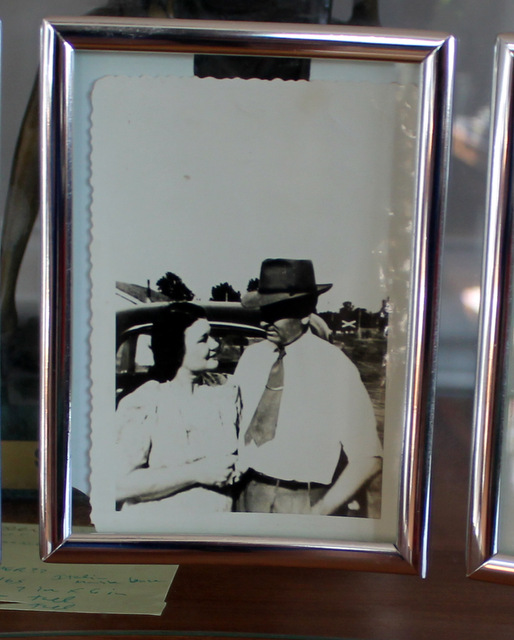
    Ma and Pa

    *****************

    Slava Ukraini. For all the children everywhere.

  • celebrating Black History Month with Pearl Harris

    celebrating Black History Month with Pearl Harris


    In the tiny Sears Roebuck kit house I grew up in, boundaries were both invisible and highly visible. The home was owned by my maternal grandmother and shared with two of my mother’s adult brothers in addition to my daddy, mother and me. The home was crowded. When I think back on it, I don’t know how we all managed to eat and sleep there – not to mention the scheduling of everyone’s turn in the single bathroom which barely had space to turn around to close the door after entering. That room was tight, and boundaries were tightly defined.

    While the home itself was small, the lot on which it sat was large, a corner lot with an unattached garage (with an attached outhouse that may help explain the bathroom scheduling inside) behind the house. Beyond the garage a small pond which we called a tank in rural Texas lay quietly in an “in-town” pasture that had no fences. My back yard was spacious, vast in a small child’s mind, unique in comparison to the other small frame houses sitting on the few dirt roads that connected them.

    Although the tank wasn’t very big, the fish and frog population that lived there mysteriously thrived, encouraging our relatives from the bigger cities of Houston, Dallas, Rosenberg, et.al., to make regular fishing trips to our place “in the country.” They came with their poles, rods, reels, live and artificial bait to try to land Ol’ Biggie, the name my Uncle Toby gave to the wiser large perch and catfish that proved elusive most of the time. During those early years I preferred running around the banks of the tank with my cousins to dropping a line with a squiggly worm in the water.

    At random times, though, I made an exception to enjoy the company of a full-bodied black woman named Pearl who walked across another invisible line to come fishing in our tank. One paved road we called main street distinctly divided black and white people in my community in those days in the late 1940s and early 1950s;  that street should have been painted blood red. Pearl lived in an area of town on one side of the street I knew simply as The Quarters. I would be much older when I realized the name referenced slave quarters that still separated her world from mine.

    Pearl told me the best stories about all the fish she had caught in the hottest fishing holes around the county. I believed every word she said because I trusted the deep rich voice that spoke. Pearl and my grandmother were good friends who visited together whenever she got ready to leave with her bucket full of fish. Pearl had the best luck catching perch in our tank – never very large – but she bragged that the little ones were better to fry anyway. Made sense to me. My mother also adored Pearl which surprised me since Mama didn’t adore anyone including herself.

    Pearl Harris was the first black person in my life. She was warm, affectionate, funny and always kind to me. I have no idea how she came to be friends with my grandmother. I suspect they met in the general store in town where my grandmother clerked. Whatever the circumstance, I felt their friendship was authentic. They were easy with each other. I now know Pearl’s walk across the invisible racial divide to our fishing tank was not only brave but necessary to put food on the table for her family. My grandmother could relate to that need, too.

    Wanda Sykes says in her Netflix comedy routine that I’ve watched at least four times now, seriously, at least four, that all white people need to have at least one black person who is their friend. Wanda thinks that friendship just might be a starting point to heal the racial divide that is at the center of income inequality and a host of other problems in our country. From a little girl growing up in a Texas town big enough for only one general store but large enough to contain two worlds separated by skin colors of black and white, I say I couldn’t agree more, Wanda. Bravo.

    RIP Pearl Harris (1893 – 1957).

                                              ***************

    You may remember this post from last year. I will remember Pearl for a lifetime.

    Stay safe, stay sane, get vaccinated, get boosted and please stay tuned.

  • celebrating a Texas storyteller who was part of my history


    Bring a child up with the gift of laughter, and when she is old she will not depart from it. I posted this in March, 2018 during women’s history month.  Enjoy.

    My paternal grandmother was called Ma by me and her four other grandchildren. We called her that so much even my grandfather changed from her given name Betha to calling her Ma. Ma was a wonderful storyteller who saved her best material for the small round table in her kitchen. Her audience usually consisted of me and my grandfather who, of course, became known as Pa.

    One of my favorite “Ma” stories involved my grandfather’s brother Ebb and his wife Carrie. They lived in Hearne, Texas which was roughly 50 miles from our little town of Richards where my grandfather had a barbershop with one chair. Ma wasn’t very fond of Ebb because he drove all the way from Hearne to have Pa cut his hair for free, and he usually brought his horrible twin toddlers Phil and Bill. Phil and Bill also received the family discount rate of “free,” and this irritated Ma.

    They’re nothing but freeloaders, George, Ma would say to my grandfather after every visit. But that’s not the story. This is.

    The Methodist preacher asked Ebb and Carrie late Saturday afternoon if they would mind to put up Sunday morning’s visiting preacher at their house that Saturday night. Well this put them into a tizzy because Carrie told Ebb the house wasn’t straight and they didn’t have anything for breakfast on Sunday morning. But being the good Methodists they were, they determined to welcome the preacher and give him a place to stay.

    Before the preacher came to the house, Carrie called the bad little four-year-old twins Phil and Bill to the kitchen to tell them that they were having company and she didn’t have enough food for breakfast the next morning.. They only had three eggs left so she wanted them to be sure they said no when she asked them if they wanted an egg for breakfast.

    Ebb had them practice the routine Saturday afternoon.

    Phil, do you want an egg for breakfast?  No, Daddy.

    Bill, do you want an egg for breakfast?  No, Daddy.

    The next morning came and sure enough, the preacher was sitting down at breakfast with Ebb and the twins while Carrie was making the food.

    Phil, do you want an egg for breakfast? Carrie asked. No, mama, Phil replied.

    Bill, do you want an egg for breakfast? Carrie asked to which Bill replied Me bweve me have fwee eggs.

    And then Ma would laugh uproariously at the thought of the expression on Ebb and Carrie’s face when Bill asked for three eggs. Ma loved nothing better than capitalizing on the misfortune of others – especially if they were the part of Pa’s family that didn’t pay for their haircuts.

    Honestly, Ma told the three eggs story on Ebb and Carrie for many years, and I laughed appropriately at the punch line every time she told it. So did my grandfather because he thought Ma was the funniest person who ever walked the face of the earth. I think the secret to their 65 years together was the laughter they shared at the little round kitchen table every day. He would tell who came to the barbershop that day, and Ma would be off and running on her monologue. Ma was a sit-down comic as opposed to a stand-up one.

    As for me, I miss those lunches – both the food and the conversations, the love and humor. What I wouldn’t give to hear Ma tell the three eggs story again today. She was a very large part of my women’s history.

    Ma and Pa

    Stay tuned.

  • celebrating Black History Month with Pearl


    In the tiny Sears Roebuck kit house I grew up in, boundaries were both invisible and highly visible. The home was owned by my maternal grandmother and shared with two of my mother’s adult brothers in addition to my daddy, mother and me. The home was crowded. When I think back on it, I don’t know how we all managed to eat and sleep there – not to mention the scheduling of everyone’s turn in the single bathroom which barely had space to turn around to close the door after entering. That room was tight, and boundaries were tightly defined.

    While the home itself was small, the lot on which it sat was large, a corner lot with an unattached garage (with an attached outhouse that may help explain the bathroom scheduling inside) behind the house. Beyond the garage a small pond which we called a tank in rural Texas lay quietly in an “in-town” pasture that had no fences. My back yard was spacious, vast in a small child’s mind, unique in comparison to the other small frame houses sitting on the few dirt roads that connected them.

    Although the tank wasn’t very big, the fish and frog population that lived there mysteriously thrived, encouraging our relatives from the bigger cities of Houston, Dallas, Rosenberg, et.al., to make regular fishing trips to our place “in the country.” They came with their poles, rods, reels, live and artificial bait to try to land Ol’ Biggie, the name my Uncle Toby gave to the wiser large perch and catfish that proved elusive most of the time. During those early years I preferred running around the banks of the tank with my cousins to dropping a line with a squiggly worm in the water.

    At random times, though, I made an exception to enjoy the company of a full-bodied black woman named Pearl who walked across another invisible line to come fishing in our tank. One paved road we called main street distinctly divided black and white people in my community in those days in the late 1940s and early 1950s;  that street should have been painted blood red. Pearl lived in an area of town on one side of the street I knew simply as The Quarters. I would be much older when I realized the name referenced slave quarters that still separated her world from mine.

    Pearl told me the best stories about all the fish she had caught in the hottest fishing holes around the county. I believed every word she said because I trusted the deep rich voice that spoke. Pearl and my grandmother were good friends who visited together whenever she got ready to leave with her bucket full of fish. Pearl had the best luck catching perch in our tank – never very large – but she bragged that the little ones were better to fry anyway. Made sense to me. My mother also adored Pearl which surprised me since Mama didn’t adore anyone including herself.

    Pearl Harris was the first black person in my life. She was warm, affectionate, funny and always kind to me. I have no idea how she came to be friends with my grandmother. I suspect they met in the general store in town where my grandmother clerked. Whatever the circumstance, I felt their friendship was authentic. They were easy with each other. I now know Pearl’s walk across the invisible racial divide to our fishing tank was not only brave but necessary to put food on the table for her family. My grandmother could relate to that need, too.

    Wanda Sykes says in her Netflix comedy routine that I’ve watched at least four times now, seriously, at least four, that all white people need to have at least one black person who is their friend. Wanda thinks that friendship just might be a starting point to heal the racial divide that is at the center of income inequality and a host of other problems in our country. From a little girl growing up in a Texas town big enough for only one general store but large enough to contain two worlds separated by skin colors of black and white, I say I couldn’t agree more, Wanda. Bravo.

    RIP Pearl Harris (1893 – 1957).

    Stay tuned.