Category: Random

  • Road Trip to Crabbs Prairie: A 1950s Journey from Richards, Texas

    Road Trip to Crabbs Prairie: A 1950s Journey from Richards, Texas


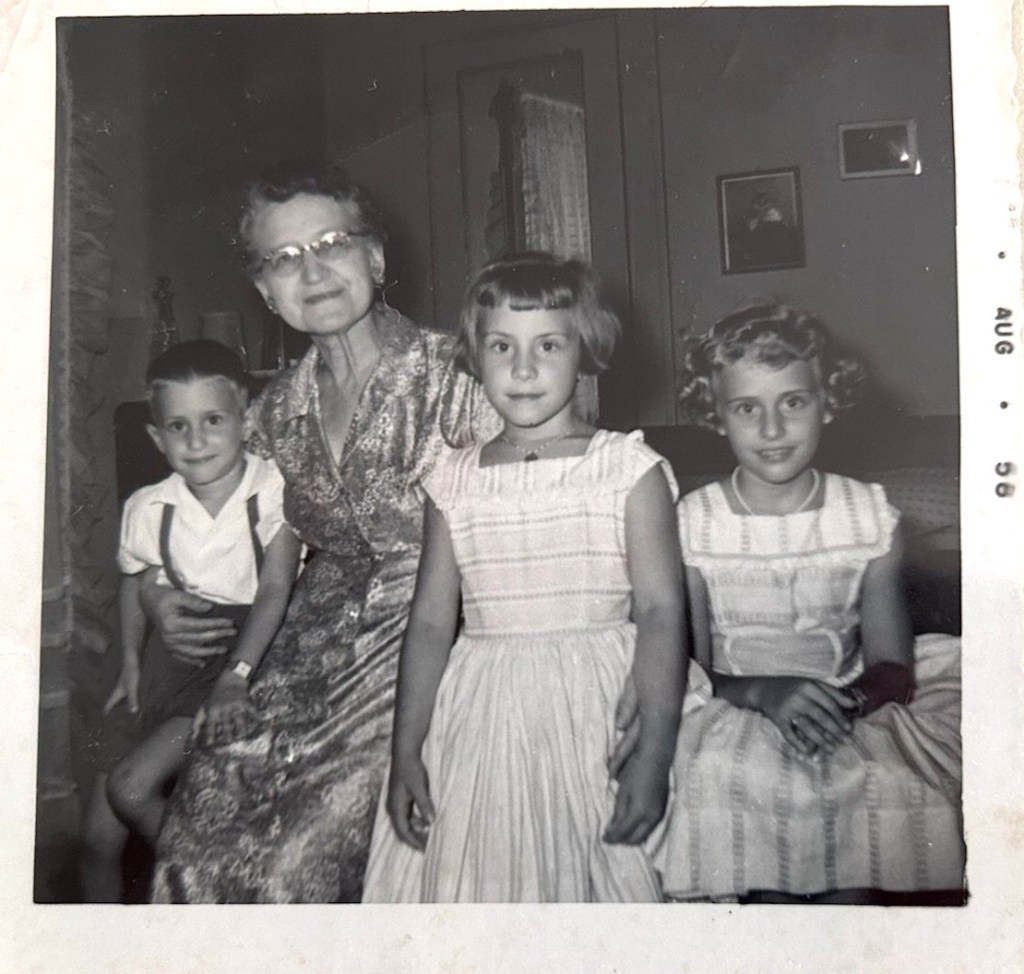
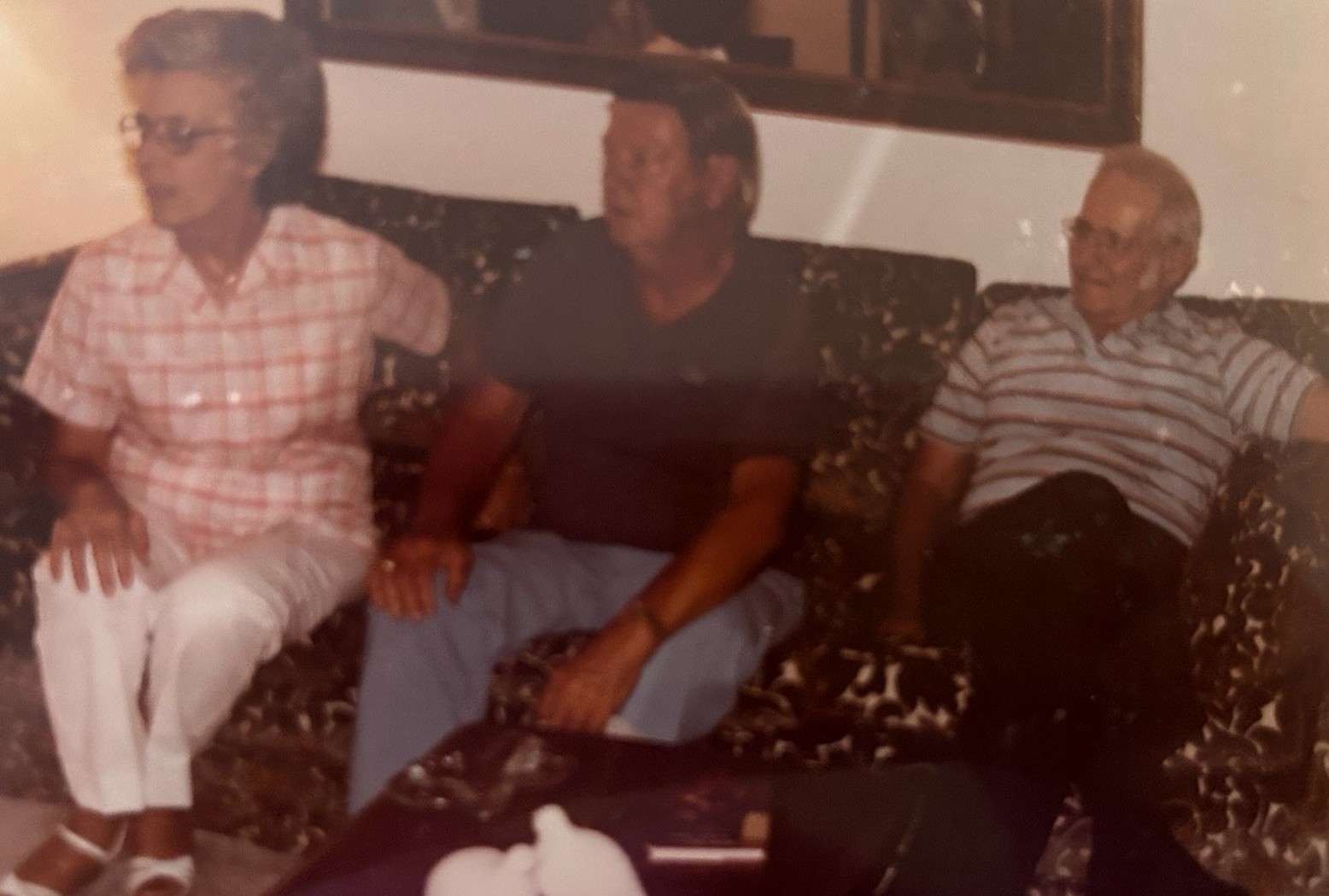
    When I was a little girl growing up in the 1950s in the small town of Richards, Texas, (pop. 500 counting dogs and chickens according to my granddaddy) the summers were hot, and entertainment depended on my imagination unless my fifty-something-year-old grandmother I called Ma intervened to drive us to someplace exotic like Crabbs Prairie, an even smaller community than Richards, where her people lived. My relatively young grandmother loved to drive, and I loved to ride while she regaled me with her stories about family and friendsthe rides were always too short.

    Stay tuned for Part II.

  • Thank You, Annie: Celebrating Animal Couriers

    Thank You, Annie: Celebrating Animal Couriers


    “We must find time to stop and thank the people who make a difference in our lives.” – John F. Kennedy

    Annie Alexander and her blog Animal Couriers first subscribed to me here in September, 2016, after many years of friendship with my first WordPress efforts through the eyes of a little feisty Welsh Terrier: The Red Man. Red’s Rants and Raves ended in 2016 when Red passed on to his reward following five years of cultivating a devoted group of followers including Annie and her Animal Couriers.

    Annie’s support in our blogging community has made a difference in my writings and in my life – I’m long overdue in saying a proper thank you to her.

    Please follow her adventures traveling across Europe and around the world with her happy passengers!

    http://www.animalcouriers.com/on-the-road-with-animalcouriers/

  • Life Lessons from Canterbury Road: A Personal Reflection

    Life Lessons from Canterbury Road: A Personal Reflection


    If you remember this one, you’ve been with me from the earliest moments in August, 2011, when our adventures began…

    CANTERBURY ROAD

                My first impression of the house at 2501 Canterbury Road was of a Tara set from the movie Gone With the Wind.  The four very tall, thin, and grayish-white wooden columns on the front of the two-story brick façade reached from the bottom of the narrow front porch to the equally dingy triangular portico beneath the roof.  Dark green English ivy crept across the brick in irregular patterns that almost covered the front, but not quite.  Lighter strands of the plant made their way to the columns and clung to them for dear life.  The house sat back from the street, and several ancient oak and pine trees vied for my attention in the front yard, but I confess I barely noticed them.  All I saw were those columns.  I halfway expected to see Scarlett O’Hara  swoop down the steps, grab the black wrought iron railing with one hand and, placing the other hand across her forehead, proclaim that the South would rise again.

                Dear God, I thought, may I please not ever have to live in this house.

                God must, indeed, have a wonderful sense of divine comedy because my partner Teresa and I moved into the house on Canterbury Road one year after she bought it as an investment property.  She’s a residential real estate agent and thought it had potential.  I was sixty-three years old and cranky about change.  Circumstances, situations, timing—the vicissitudes of life, as my Daddy used to say—conspired against me and aligned the planets of my universe in a perfect storm that compelled me to Canterbury in 2009.  The move went as well as moves can go, and I attributed this to our successful downsizing a mere eight months earlier when we relocated to a little house on Woodrow Street in downtown Columbia from a larger home in suburban Spring Valley.  I didn’t realize how much I’d miss the privacy of our large lot in suburbia, but I’d gradually come to accept the proximity of the neighbors on Woodrow Street.  Our four dogs weren’t so flexible, however, and made life miserable for the unsuspecting neighbors who dared to venture into their own back yards.  Thank goodness we hadn’t bothered to unpack all of those boxes.  Procrastination has its own rewards.

                Unfortunately, the house was not as prepared to receive our family as we were to move in.  Teresa’s twenty-four-year-old son and an assortment of his friends had lived in it for the past year, and, while the columns on the front porch still stood, they did seem to breathe a sigh of relief when the boys left.  Or maybe that was us.  Regardless, we began an interior renovation to restore and renew our new home.  In addition to the steady stream of workers on a daily basis, specialty deliveries required schedules and arrangements (i.e., making sure our four dogs didn’t escape or imperil anyone’s safety).  Several security lapses occurred during the process, and Red, our Welsh terrier-turned-Houdini, managed to break free twice.  Both times he was apprehended and returned unharmed.  On one of his adventures, he was spotted riding by our house in a flashy convertible with the top down.  He apparently considered it an upwardly mobile moment because he pretended not to recognize us and our frantic gestures to flag down the driver, who appeared relieved to find Red’s owners.

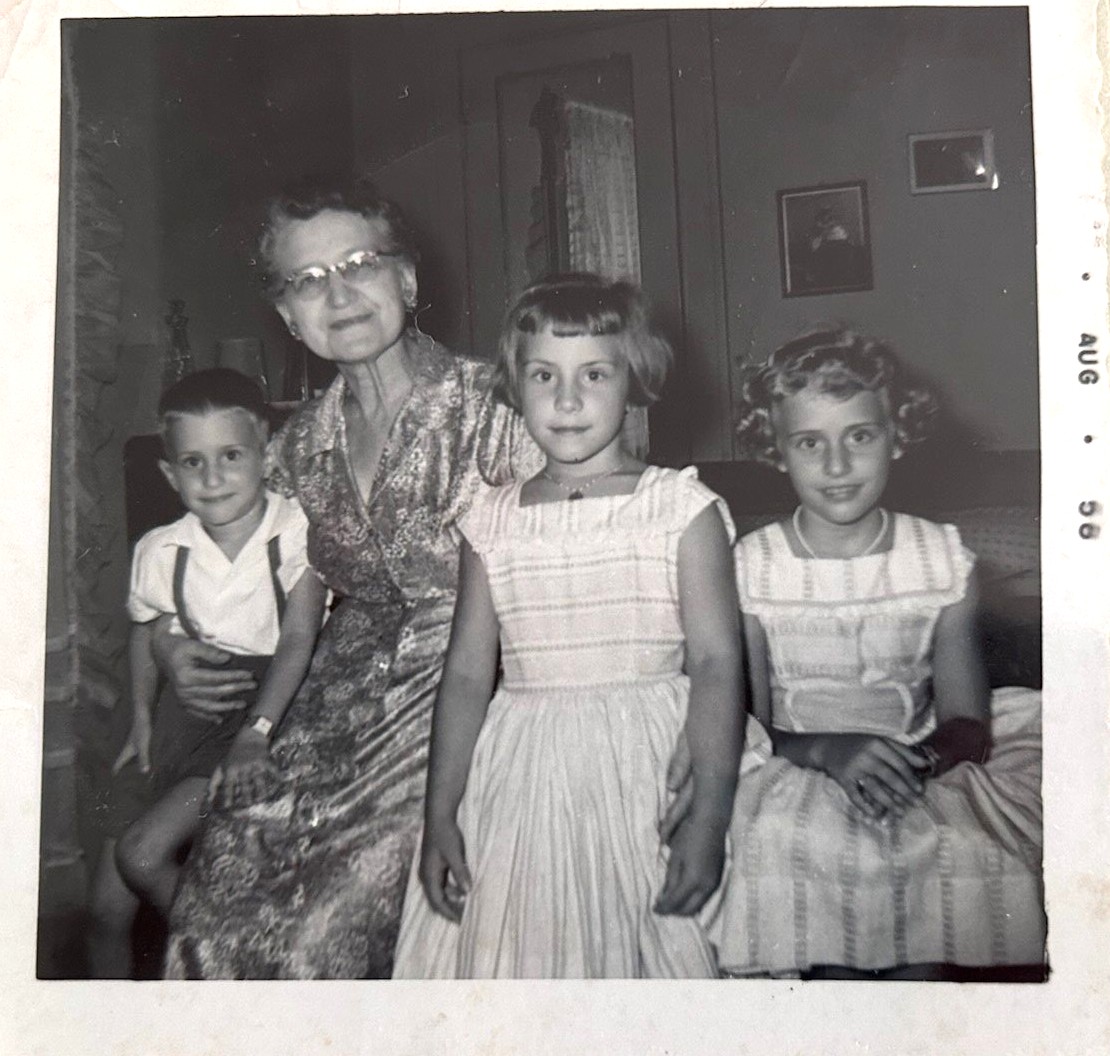
                The one room in the house that was completely finished was my office, thanks to an understanding spouse who knew my need for peace, space, and family pictures.  I found comfort in the pictures of my mother and father when they were young and innocent in a time before I was born.  And the picture of me as a child standing behind my mother’s grandparents, with my mother and her mother beside me, reminded me of our connection from generation to generation.  The eyes of my great-grandparents asked me to honor their strength and respect their vulnerability.  My grandmother’s smile in that picture evoked memories of her as the center of warmth for me in my childhood home.  My mother was a mystery to me in the picture, as she has been in life.  I recently heard a character in the movie Up in the Air say, “Pictures are for people who have no memory.”  That startled me, waking me from my usual movie-watching trance.  For me, pictures preserve people and places and points in time, and I want them in my line of sight for as long as I have the vision to see them.  Maybe the movie character just needed better memories.

                So, in the midst of screaming saws, pounding hammers, new paint smells, barking dogs, people coming and going—I settled into my oasis on the second floor.  In my opinion, it’s the best room in the house on Canterbury Road, and it is both teacher and muse for me.  The crisp white trim stands out from the cool gray walls, and the colors soothe and calm me when I hear the turbulence beyond my sanctuary.  The size is perfect for my desk and all-important computer work area.  But, it is the windows that give the room life and character.  From my desk I have two large windows on my right and another one of equal size behind me and to my left.  I don’t have Edith Wharton’s view of her lovely gardens at The Mount or Herman Melville’s vision of the humpbacked Berkshires, which he eyed from his tiny writing desk while he penned Moby Dick, but what I see from my windows is remarkable.

                I moved to Columbia, South Carolina, in the early 1970s.  Columbia is the state capital, and with a population of more than 125,000, it is the largest city in a Carolina state that no one remembers unless it achieves notoriety through an embarrassing public scandal.  When that happens, as it frequently does, the rest of the world miraculously makes the distinction between North and South Carolina.  Otherwise, the only Carolina that has any memorable features is our sister to the north.  Now, after considering the “lesser” Carolina my permanent residence for more than thirty-five years, I’ve simply learned to smile and nod or shake my head and shrug when someone in my travels asks me questions like, “Where is it that you live?  Some place in North Carolina?” or, more recently, “Don’t you live in a town in South Carolina?  Isn’t your governor the one that ran off to Argentina and said he was hiking the Appalachian Trail?  And, then, didn’t he come home to his wife and announce on national television that his one true love was the woman in Argentina?  Isn’t that where you’re from?”

                The heritage of this city is, well, complicated.  Formed in the late eighteenth century as a substantial settlement in colonial America, Columbia is a city that survived the devastation of the Civil War to become number twenty-two on CNNMoney.com’s top twenty-five places to retire in the United States in 2009.  I have friends who are historians, and I trust them to weave the threads of the past into a tapestry that differentiates truth from fiction far better than I can.  My history lessons come from the windows of the house on Canterbury Road and are vignettes that raise troubling issues for me.

                Actually, our house sits on a corner lot, which means we live on two streets.  We face Canterbury, and when I look out the windows to my right, I see similar two-story, older brick homes built on lots like ours, replete with immaculate grassy lawns, beautiful oak trees, driveways for parking newer models of European or Japanese sports utility vehicles, and labrador retrievers who are never pleased to see anyone on our narrow street.  We are one of the houses that form the boundary for our neighborhood association, Forest Hills, which was created in 1925 and named by its developer for a New York City suburb.  We have our own motto prominently displayed on a plaque in a yard near ours: Forest Hills – Historic Homes – Treasured Trees.  Our association is active, and committees represent almost three hundred homes to coordinate Christmas outdoor decorations, community picnics, and historical preservation.

                Our Canterbury neighbors could not be nicer to Teresa and me.  The couple across the street are my age and have an empty nest except for two handsome golden retrievers that behave as well as they look.  The young couple next door has an adorable baby girl who is learning to talk and calls all four of our dogs Daisy—the name of her sweet golden retriever.  If any of them are disappointed in having a lesbian couple move into the house that resembles Tara, they hide it well.  Regardless, during our first Christmas season, we participated in the association’s annual Lights of Christmas, and our outdoor spruce tree with white lights looked just like everyone else’s.

                When I peer through the window to my left, the contrast is a tale not only of two cities but of two worlds.  The intersecting street is Manning Avenue, which is the dividing line for the Lyon Street Community, an area of slightly more than a quarter mile and a population of 1,654 people, according to data published in 2008 by Columbia City-data.com.  But what I see from this window are two small, white, wooden houses with aging roofs and tiny, neat front yards.  Cars parked in these driveways are American sedans—older models soon to be considered “vintage.”  Both houses have front porches, and in the summer, I often see people gathered on those porches to visit.

               Occasionally, I talk with Dorothy, the ninety-something-year-old African American woman who lives in the first house on the left.  Dorothy’s age and failing senses have no impact on her warm-hearted spirit and concern for the neighborhood.  Whenever we talk, she never fails to greet me with a hug and tell me how happy she is to see me.  She confides her worries about the people who live behind her and their lack of interest in taking care of their home.  She doesn’t understand people who have no pride in what they own, she says.  Dorothy walks with difficulty, but feels with ease.

               Less frequently I chat with Mr. Scott, an older African American man who lives in the house next door to Dorothy’s.  Mr. Monroe Scott is a very handsome tall man who lost patience with us when we moved in because we didn’t remove our construction trash in a timely manner.  We admitted our guilt, apologized profusely, and he kindly forgave us.  He has an adult son, Anthony, who lives with him.  They are less likely to begin a conversation with either Teresa or me, but they are equally friendly when we see them.  They even brought us a lovely poinsettia for Christmas.

                It’s our first winter in the house, and I can’t remember a colder time in Columbia than the last couple of months.  So much for the warm and sunny South.  The scene from my second floor office has changed with the weather.  Workers came and taped large sheets of plastic across every window in Dorothy’s house several weeks ago.  At first, I wondered what happened.  Then, it dawned on me that she must be too cold in her home.  When I connected the dots, I walked over to see her.  She wasn’t there, and her car was gone, too.  One light inside the little house stayed on day and night, keeping a vigil of hope for her return.  Teresa and I waited for her, too, and were happy to see her come back recently.  She had, indeed, stayed with family who had a warmer house.

                The median household income for the Lyon Street Community in 2008 according to Columbia City-data.com was $9,542, which means that 41.6% of my neighbors live below the national poverty line.  The crime index is nearly twice the national average.  When my insomnia isn’t deterred by prescription medications, I hear gunshots from time to time behind our house.  Police sirens and blue lights at odd times during the day and night heighten my awareness of trouble in the lives of people in my community.  Education levels, unemployment, households with single parents—by almost any measurement, the world of the Lyon Street Community is vastly different from Forest Hills.  They are as different as black and white.

                However, to make sure the uninitiated driver on Manning Avenue understands that difference, the City of Columbia placed a sign on our street corner that prohibits a left turn from Manning to Canterbury.  No left turn.  It’s the law.  Brick walls further separate Forest Hills and the Lyon Street Community.  The walls are seven feet tall, and the color of the brick used in the walls matches each Forest Hills house along Manning Avenue perfectly.  Our wall color is the same red brick as our house.  It is conceivable that we would never see the daily lives of our Manning neighbors, except for my office window.

                I remember the words of a hymn from my childhood’s faith: Open my eyes that I may see—glimpses of truth Thou hast for me…  That’s what I see from these windows every day—glimpses of truth.  I understand it isn’t the whole truth, but it is my history lesson from a house I now call home.  Scarlett O’Hara doesn’t live here, and our home isn’t Tara, but it is a teacher whose lessons define the American people, and I am a student who struggles to make sense of the complexities.  Manning Avenue.  Canterbury Road.  It’s the same location and the same house.  It faces different directions on a complicated compass.


  • Celebrating Donna Magrath: Resilience and Creativity

    Celebrating Donna Magrath: Resilience and Creativity


    Local artist Donna J. Magrath is a native New Yorker who came South for a relationship that didn’t survive but gave her an opportunity to fall in love with a place she has called home since 2012. New York’s loss is Columbia’s gain!

    Magrath’s ancestors included Russian immigrants

    a passionate advocate for equal justice

    Magrath’s creativity as an artist finds expressions

    in varieties of forms,

    but her authenticity, courage, and perseverance in her art deserve celebration.

    Magrath’s latest work: the East Wing of the White House and Rose Garden before demolition

    The East Wing contained the Office of the First Lady and played a key role in the visibility of women in the White House, according to The 19th. News.

    But, of course, if the Office of the First Lady is gone, no one will notice she’s not there.

  • Timeless Bonds: Els, Carl, and The Value of Friendship

    Timeless Bonds: Els, Carl, and The Value of Friendship


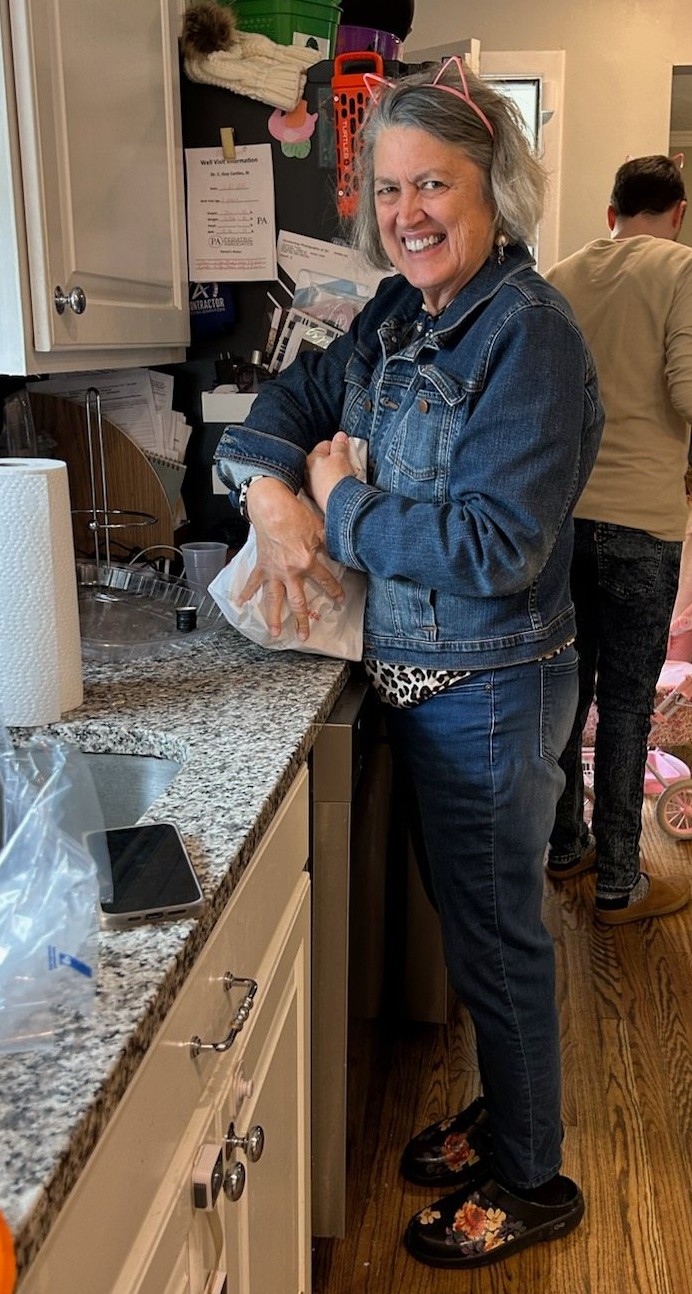
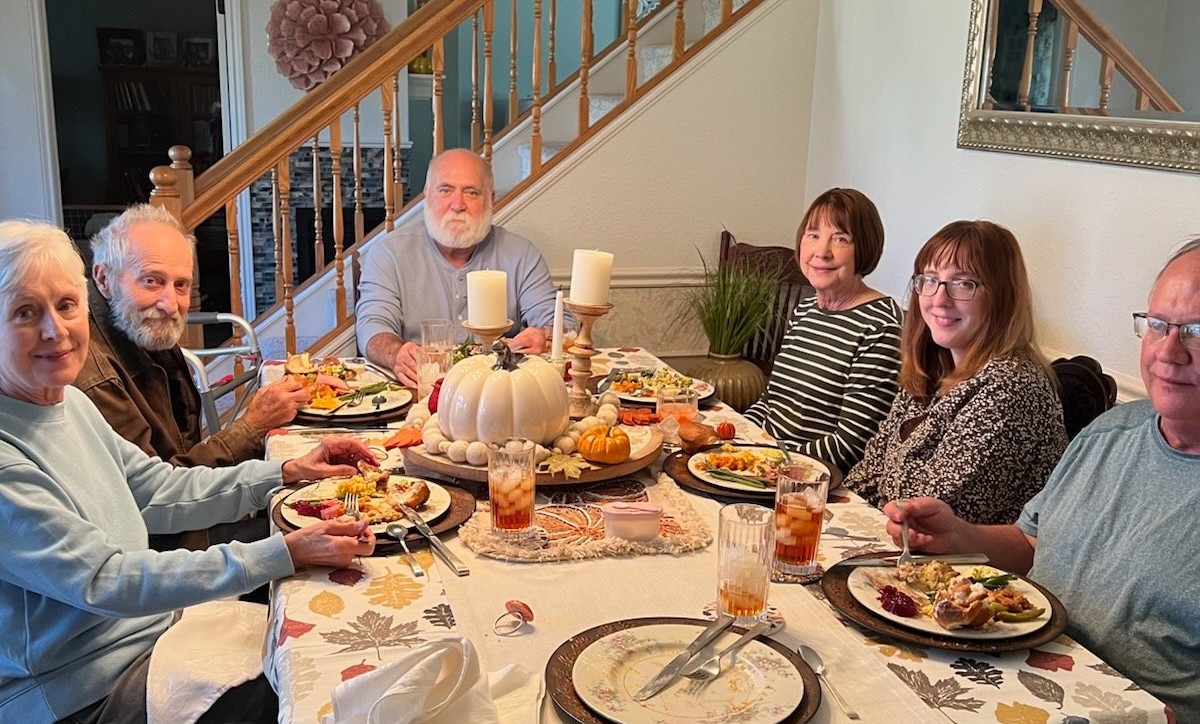
    sharing fun with our dear friend Saskia’s mother, Els, yesterday

    Els and her husband, Carl, are our Dutch friends from The Netherlands and have been on an extended rare visit to see her daughter and grandson, Finn, the youngest grandchild (but who will unbelievably be 15 this month!). Carl, Pretty, and Saskia graciously allowed Els and me to exchange family news, personal health issues, the deliciousness of American tomatoes, and generally enjoy each other’s company for a couple of hours as Els and I both near eighty years of age in 2026.

    Our shared friendship across the Pond through the years is a reminder that love has no boundaries, there are no obstacles too difficult for kindness and respect to overcome, and that Time waits for no one. Thanks to Saskia for the special photo of her mother and me.

    We talked about the possibility of this being our last visit, but we pledged to hope together it is not.

    Safe travels, Els and Carl. Until we meet again.