For any who want more, complete list of all posts by month since 2011
  • Impasse

    Impasse


    “We have met the enemy, and they are ours.” United States Navy Commodore Oliver Hazard Perry, War of 1812, September 10, 1813, following his strategic victory in the battle on Lake Erie over the British Navy. Hooray.

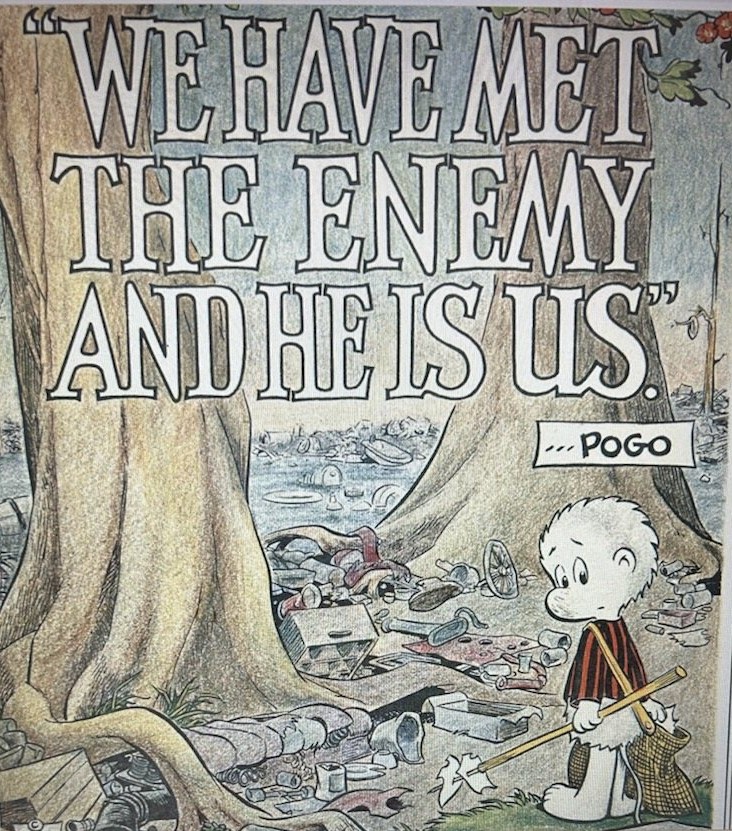
    Walt Kelly’s political satire captured the imagination of the public on Earth Day in this country with his 1970 Pogo cartoon that coined a re-phrase of Commodore Perry’s words in 1813. Hooray?

    Helen Lewis argued in her article The Men Who Don’t Want Women to Vote or Work. Or Have Opinions. that a movement of “masculinism” in America seeks “to fight back against the advances of feminism and reassert the primacy of men.” (June, 2026, The Atlantic) What? Seriously?

    We have met the enemy, and it’s women. No Hooray, please.

    ************************

    I published the following piece on June 10, 2017, nine years ago. I had a personal painful reminder of old tapes played too often in my life. Helen Lewis’s words opened old wounds.

    Impasse

    Webster’s Everyday Thesaurus has these words for impasse:

    deadlock, stalemate, blind alley, bottleneck…dead end, dilemma, predicament, quandary, standstill, standoff.

    This past week I had a heavy dose of impasse which intermingled with my increasing preoccupation about the American Civil War. I look more and more frequently at the map of the red states and blue states that make up our United States and wonder anew at Abraham Lincoln’s commitment to keep the country united as one. I understand the problem better for sure. I always wondered how brother fought brother on different sides during the Civil War. They were family first after all, right? Not so fast, my friend.

    The American people are a “duke’s mixture” to quote my granddaddy who used the words for his Saturday barbershop customers in the 1950s when my grandmother asked him who’d stopped by the barber shop that day.

    George, who all came by for a haircut today?

    Well, Betha, it was a duke’s mixture.

    To which she would shake her head and look at me and ask, What does that tell you? Duke’s mixture.

    My granddaddy would laugh as if he’d told a funny joke, and I would laugh with him. My grandmother never cracked a smile.

    Today I find myself not laughing, either. Rarely cracking a smile at the impasse among the citizens in our country which must surely have my grandparents spinning in their graves. My grandmother invented social media via the telephone party line we had in our little town as surely as Al Gore invented the internet. She relished listening in on other people’s conversations and delighted to repeat juicy gossip at her kitchen table… but please dear God, don’t ever mess with her family.

    This week I did something I almost never do. I responded on Facebook to a post made by a first cousin twice removed who has a world view that I have long ago accepted as different from mine. Most of the time I hide his offensive posts from my timeline and move on.

    I can’t bring myself to “un-friend” him because I truly love the little boy I remember visiting us in Richards so often with his grandmother who was my grandmother’s sister. But this week he posted that liberals must have a “mental illness” to think the way we do, and that struck a nerve for me.

    You see, I grew up during a time in the 1950s and 60s when being a homosexual was considered to be a mental illness. Think about how you would feel if you grew up believing that you had a secret mental illness and, if exposed, you could be institutionalized. Lock her up. Throw away the key. I heard an old tape begin to  play in my mind.

    Somehow our thread on Facebook took an unpleasant turn, as I already knew it would and we got into a discussion regarding a prevailing Muslim  belief in some places that gays should be killed. Unfortunately, one of my cousin’s friends chimed in with the following comment: “We knew someone many years ago that would probably want to buy a plane today, load them (gays and lesbians) up and drop them off over there (wherever Muslims live). I sure miss him.”

    Wow. I was transported to a conversation I had in the early 1990s with a client who sat in my office and said, “If it were up to me, I’d take all those queers and put them behind barbed wire in Kansas and tell them to stay there.” I didn’t respond then. The old tape was playing louder now.

    One of my mother’s most infamous quotes for me was that she wished all those gays would go back in the closet where they belonged. She would be happy to slam the door shut. The old tape was so loud now I could barely hear myself think.

    Luckily, I didn’t accept the old tapes as I don’t accept my cousin or his friend’s thinking about who I am today. I’ve spent my entire adult life working for equal treatment and fairness – my liberal social justice beliefs.

    In 1974 the American Psychiatric Association declassified homosexuality as a mental disorder. I was 28 years old. In 2017 at the age of 71, I am personally declassifying liberalism as a mental illness.

    I resolve to limit my social media interaction with my first cousin twice removed to Happy Birthday wishes. No need going up that blind alley again.

    I feel better already.

    *************************

    June is Pride Month – celebrate with joy!

  • Exploring the Legacy of the Founding Mothers

    Exploring the Legacy of the Founding Mothers


    “Were I to personify Justice, instead of presenting her blind, I would denominate her the goddess of fire. . . Of unbending integrity Justice should feel, hear and see; but truth alone should be the polar star by which she should shape her movements, and equity only should constrain her determinations.”

    Judith Sargent Murray (1992). “The gleaner”, Syracuse Univ Press

    Judith Sargent Murray (May 1, 1751–July 6, 1820) was an early American feminist who wrote essays on political, social, and religious themes. She was also a gifted poet and dramatist, and her letters, some recently discovered, give insight into her life during and after the American Revolution. She is especially known for her essays about the American Revolution under the pseudonym “The Gleaner” and for her feminist essay, “On the Equality of the Sexes.” 

    Fast Facts: Judith Sargent Murray

    • Known For: Early feminist essayist, poet, novelist, and dramatist
    • Born: May 1, 1751 in Gloucester, Massachusetts
    • Parents: Winthrop Sargent and Judith Saunders
    • Died: July 6, 1820 in Natchez, Mississippi
    • Education: Tutored at home
    • Published Works: On the Equality of the Sexes, Sketch of the Present Situation in America, Story of Margaretta, Virtue Triumphant, and The Traveller Returned
    • Spouse(s): Captain John Stevens (m. 1769–1786); Rev. John Murray (m. 1788–1809).
    • Children: With John Murray: George (1789) who died as an infant, and a daughter, Julia Maria Murray (1791–1822)

    Source: Jone Johnson Lewis, Thought Co.,

    (updated on 07-16-2019)

    Let me be perfectly clear. When I learned American history in my early public education in the schools and universities of Texas during the 1950s and 60s, I can’t remember one reference to the Founding Mothers. I remember Betsy Ross sewing our flag, but I didn’t realize she was married three times, and had worked to become a government contractor in a business she passed on to her daughter and granddaughters. Betsy Ross – I pictured a little old woman sitting around in a tiny room sewing alone. No, not a hobby – it was how this working mother supported her family during the American Revolution.

    Return with me now to those thrilling days of yesteryear two hundred fifty years ago when the original dreams of America began. Hear the voices which longed to be heard as they searched for equal justice and truth telling in the new World.

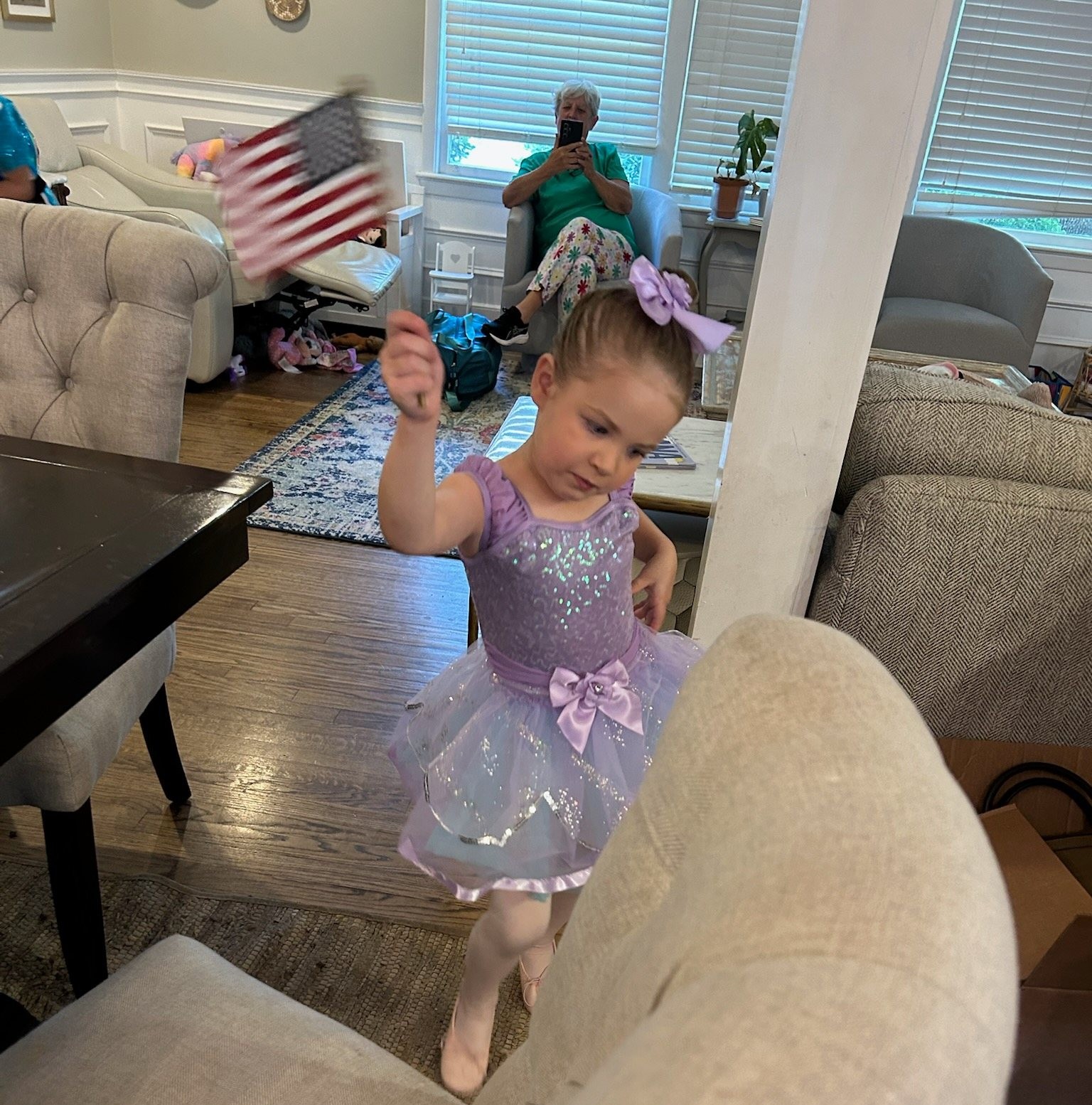
    Betsy Ross would be pleased with our granddaughter’s flag

  • What’s new, Pussycat?

    What’s new, Pussycat?


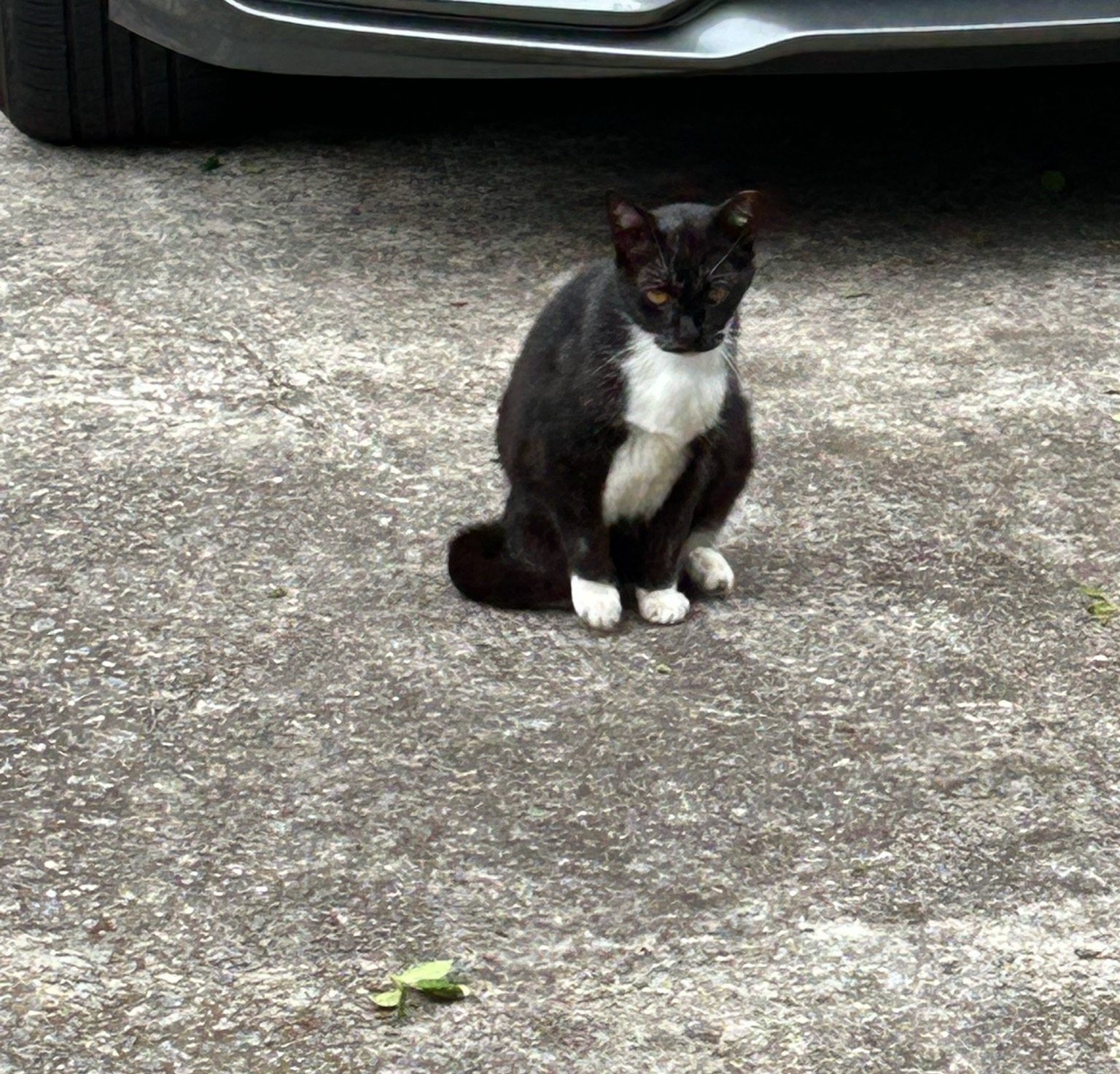
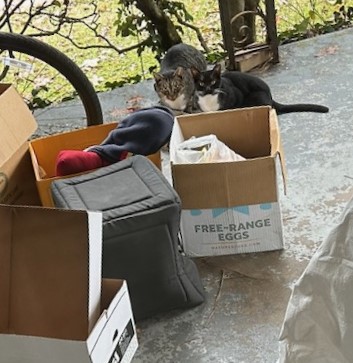
    Tuxedo cat was Carport Kitty’s best friend

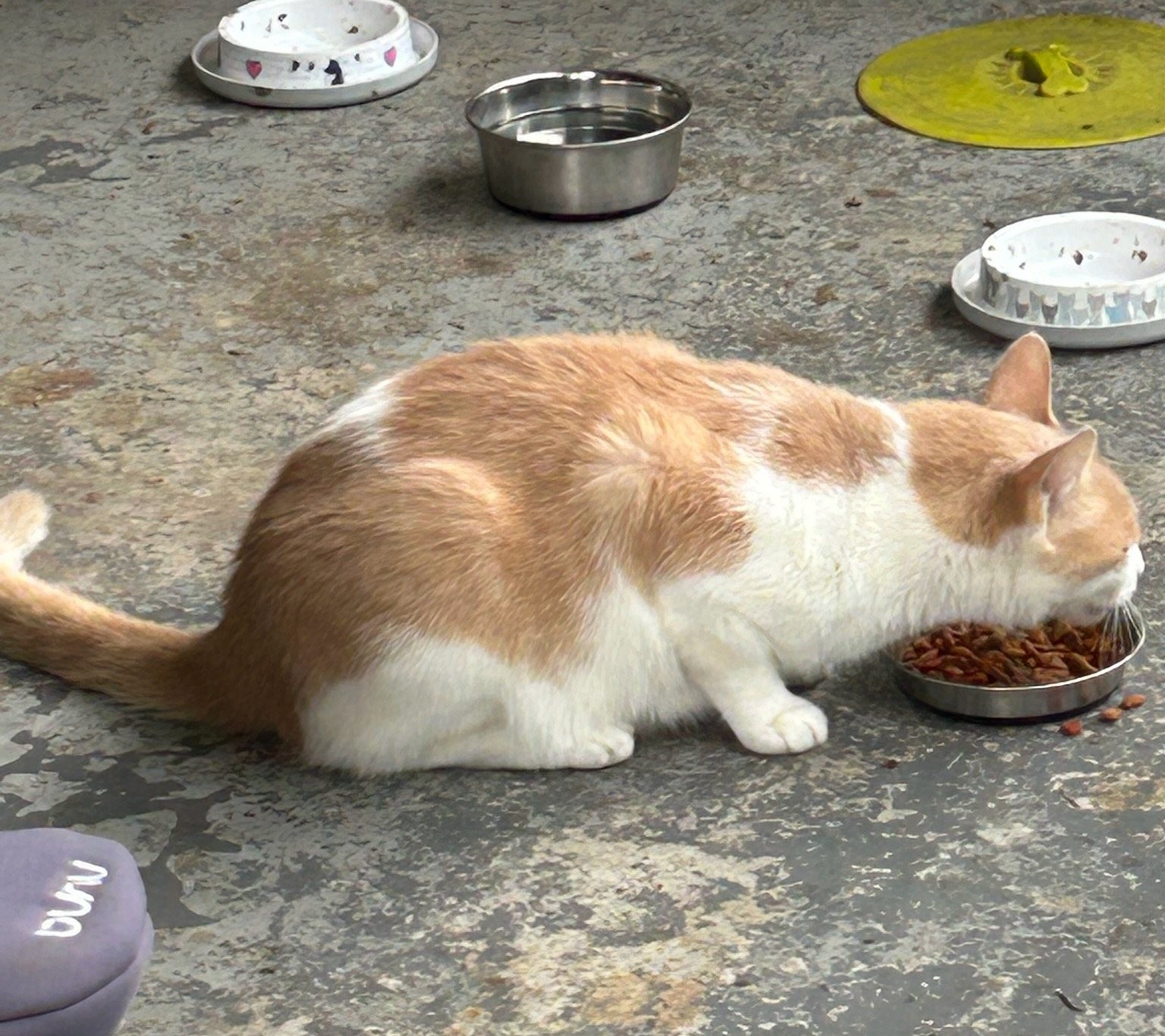
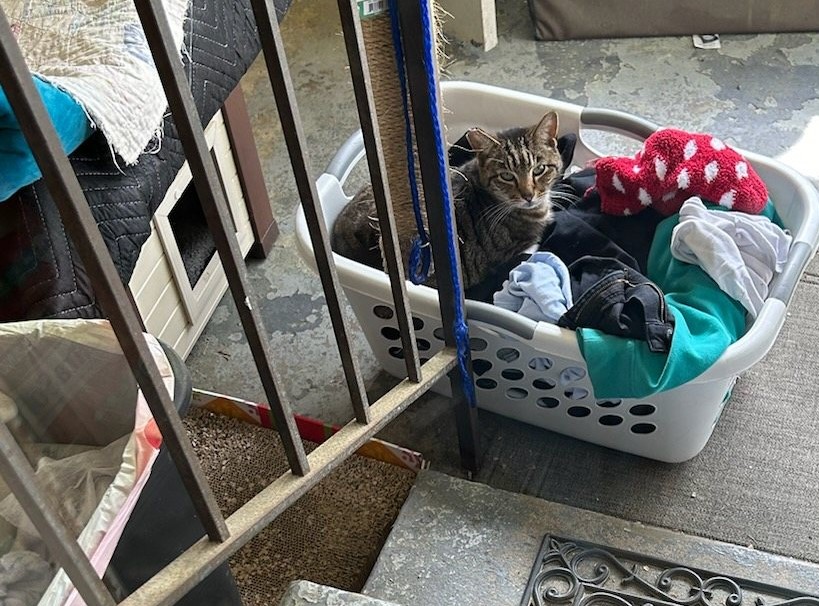
    Yellow Cat is an indoor cat somewhere else –

    but wants his snacks here

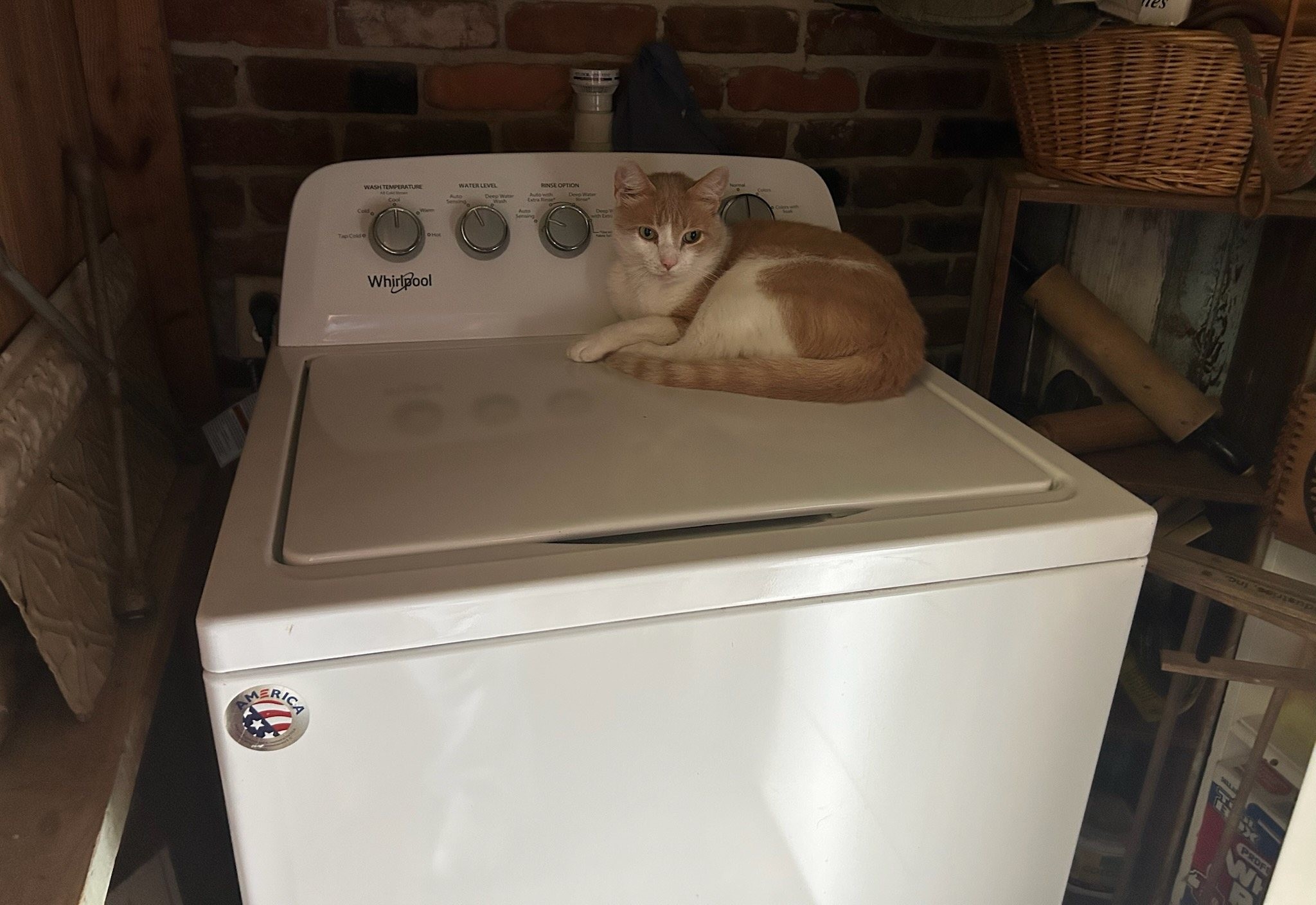
    Yellow Cat loves the outdoor laundry room

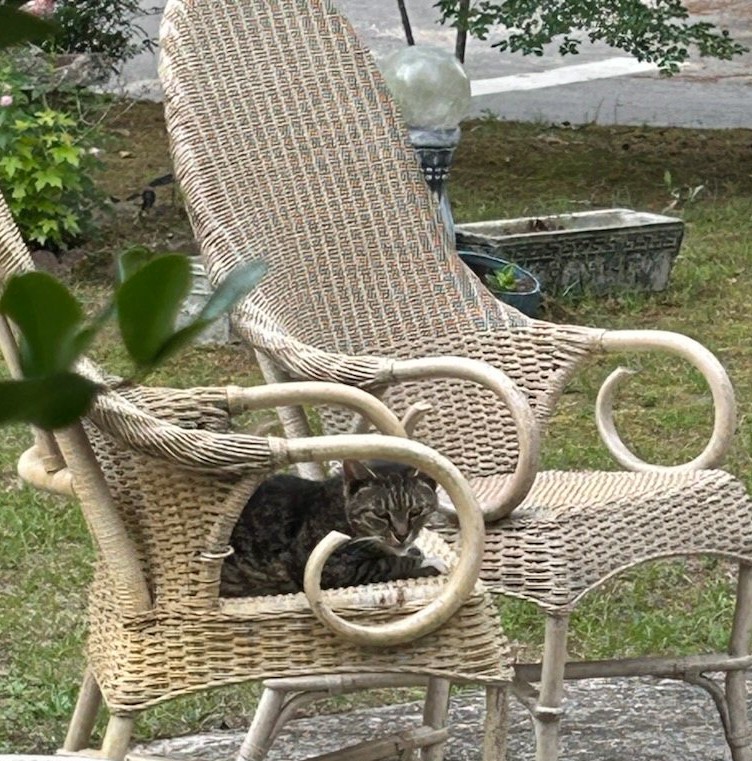
    pick a chair – any chair – and get comfortable

    they were friends from the Carport Kitty glory days

    remember this cat who loved to help me do laundry?

    vanished without a trace on the 4th. of July, 2024

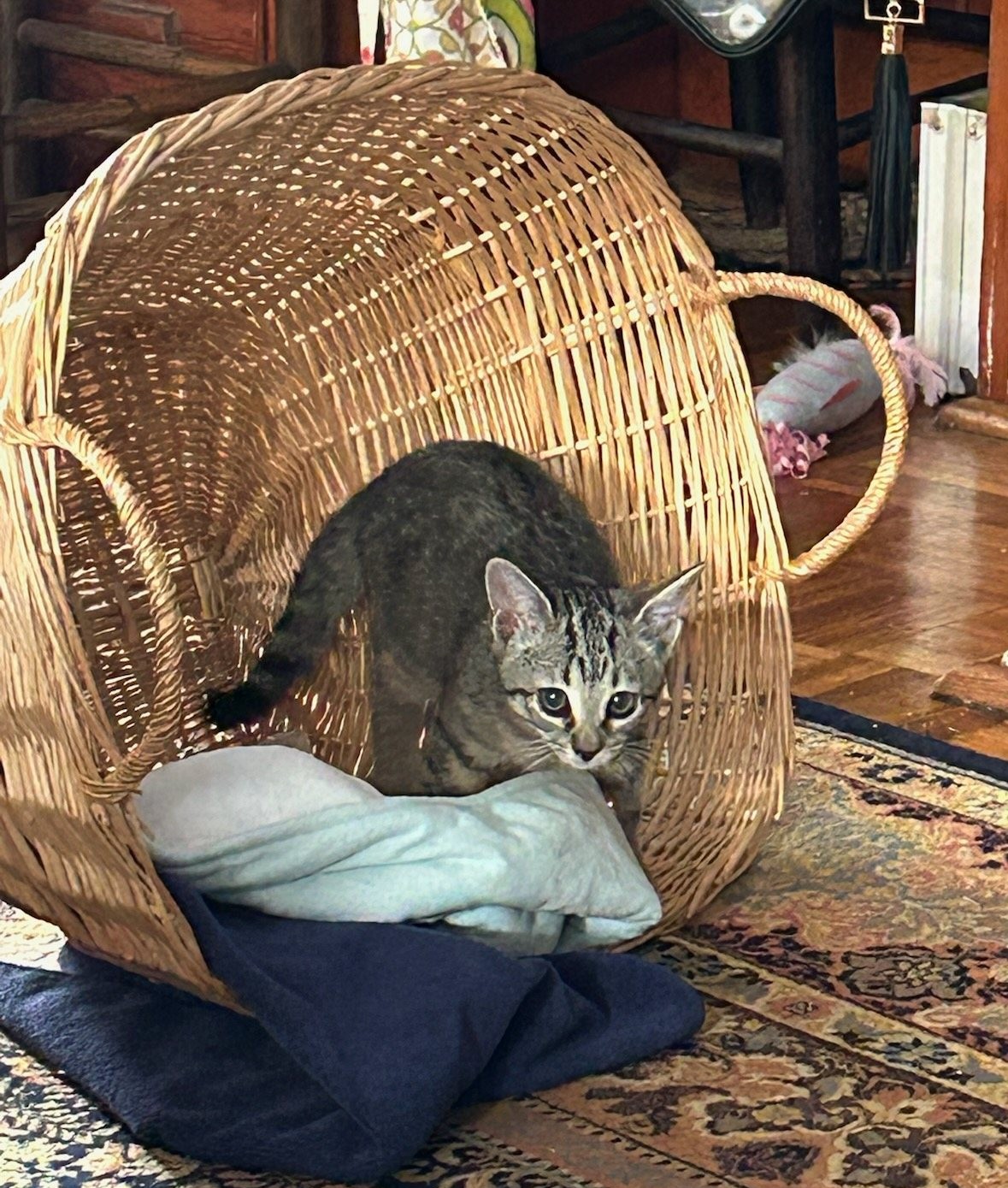
    Then along came the three kittens rescued by Pretty in 2025, and this little kitten we named Bennie for the amount of Benadryl I had to take for my cat allergies while Pretty found him a wonderful forever home with Cheryl in the Upstate. (I believe I overheard a casual remark at one point about sending me to live outdoors on the carport – and keeping Bennie inside. Thank goodness for Cheryl.)

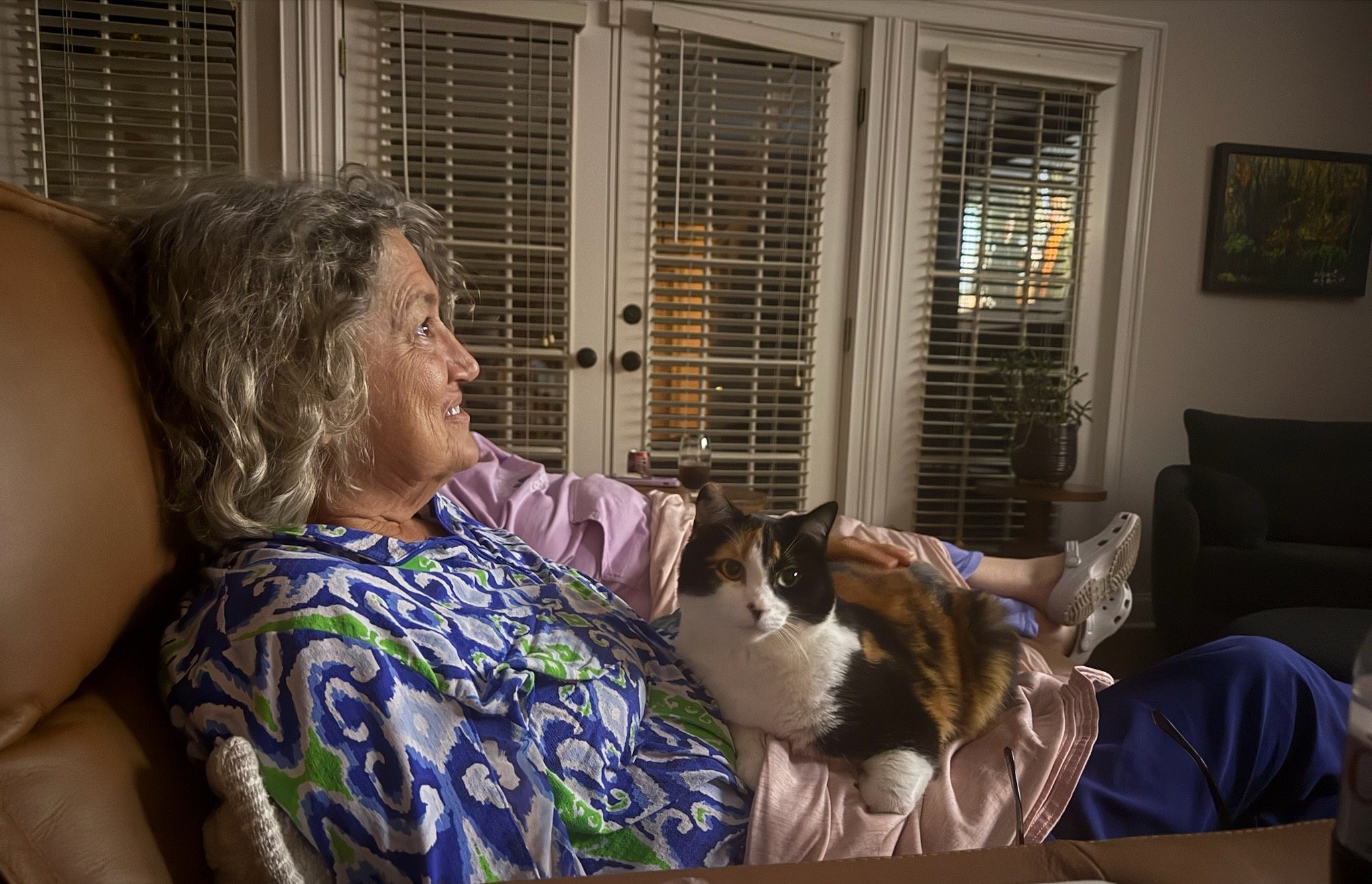
    Our friends Nekki and Francie have a beautiful, sweet cat named Amelia. Amelia has a reputation for being quite particular about people she tolerates – of course, she adores Pretty when we come to visit.

    Who’s surprised?

    The End

    If you find your curiosity about the cat we called Carport Kitty becomes overpowering, the archives will give you information about the urban legend we called our Carport Kitty.

    http://www.iwillcallit.com/2022/10/23/the-urban-legend-we-called-carport-kitty-was-a-seeker/

  • Memorable Moments with Millie: A Friendship Story

    Memorable Moments with Millie: A Friendship Story


    me and Millie with her dog, Bear, in the 1970s

    *************************

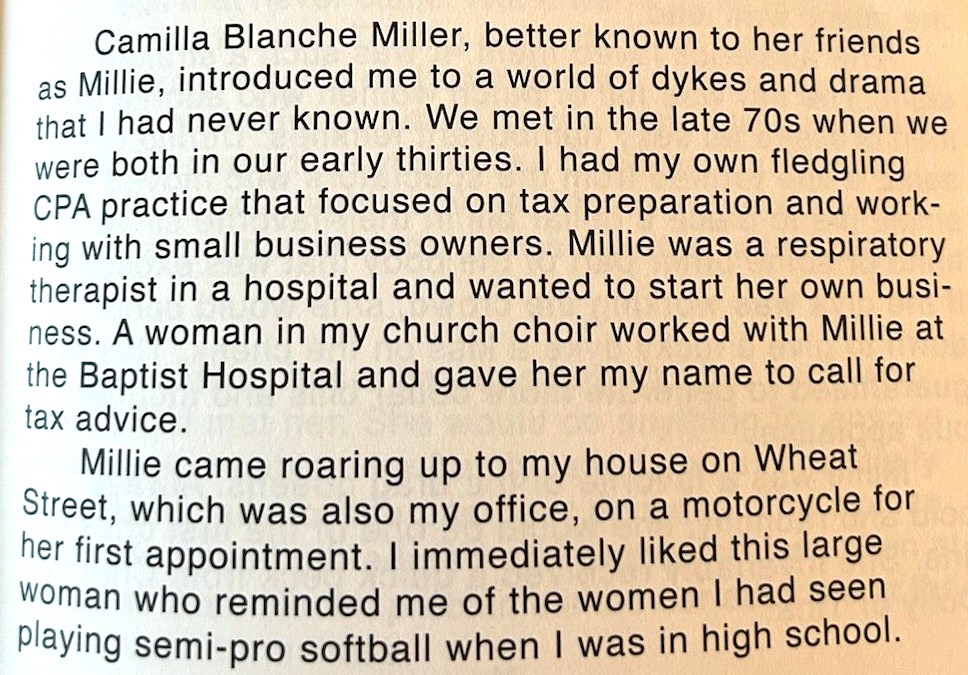
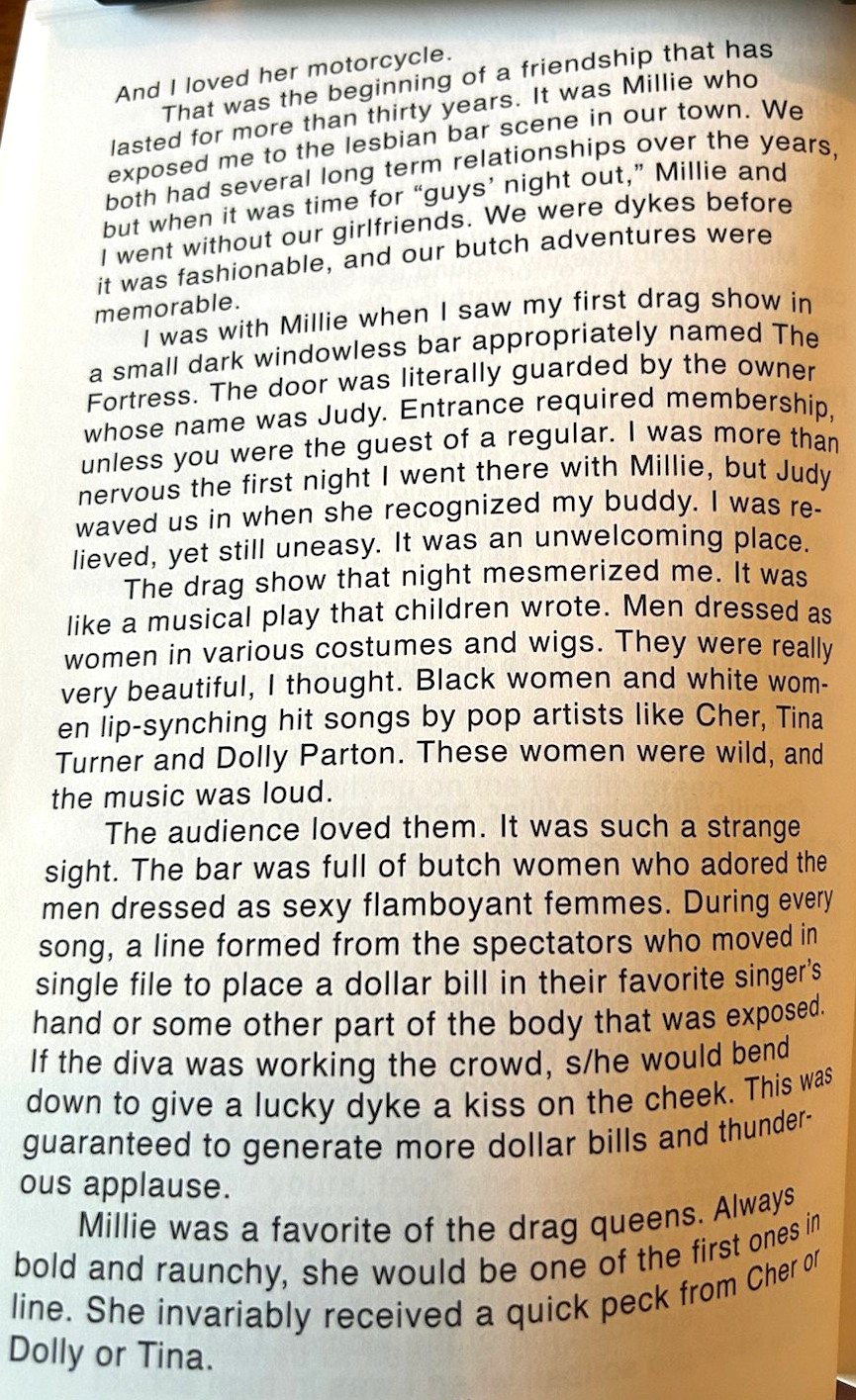
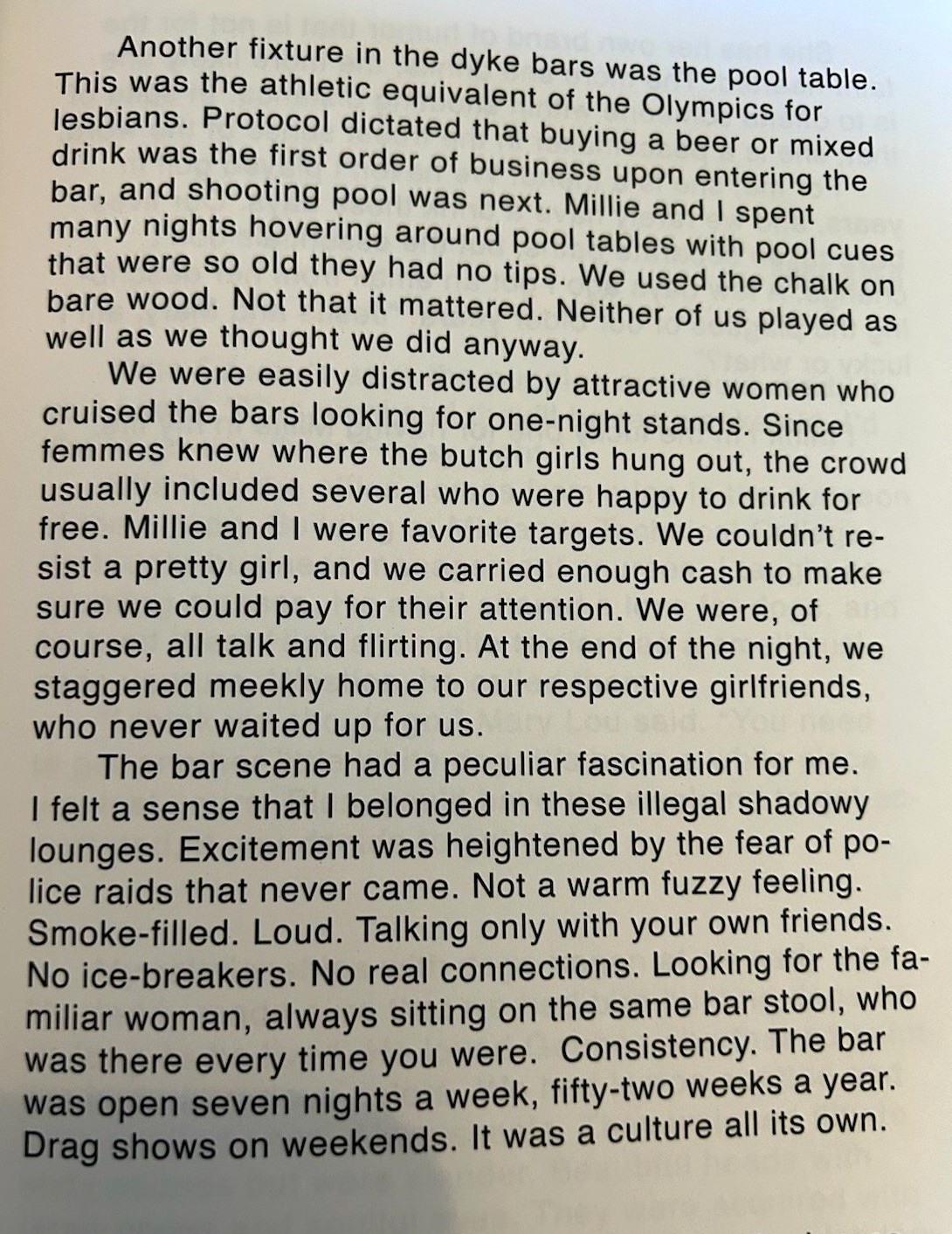
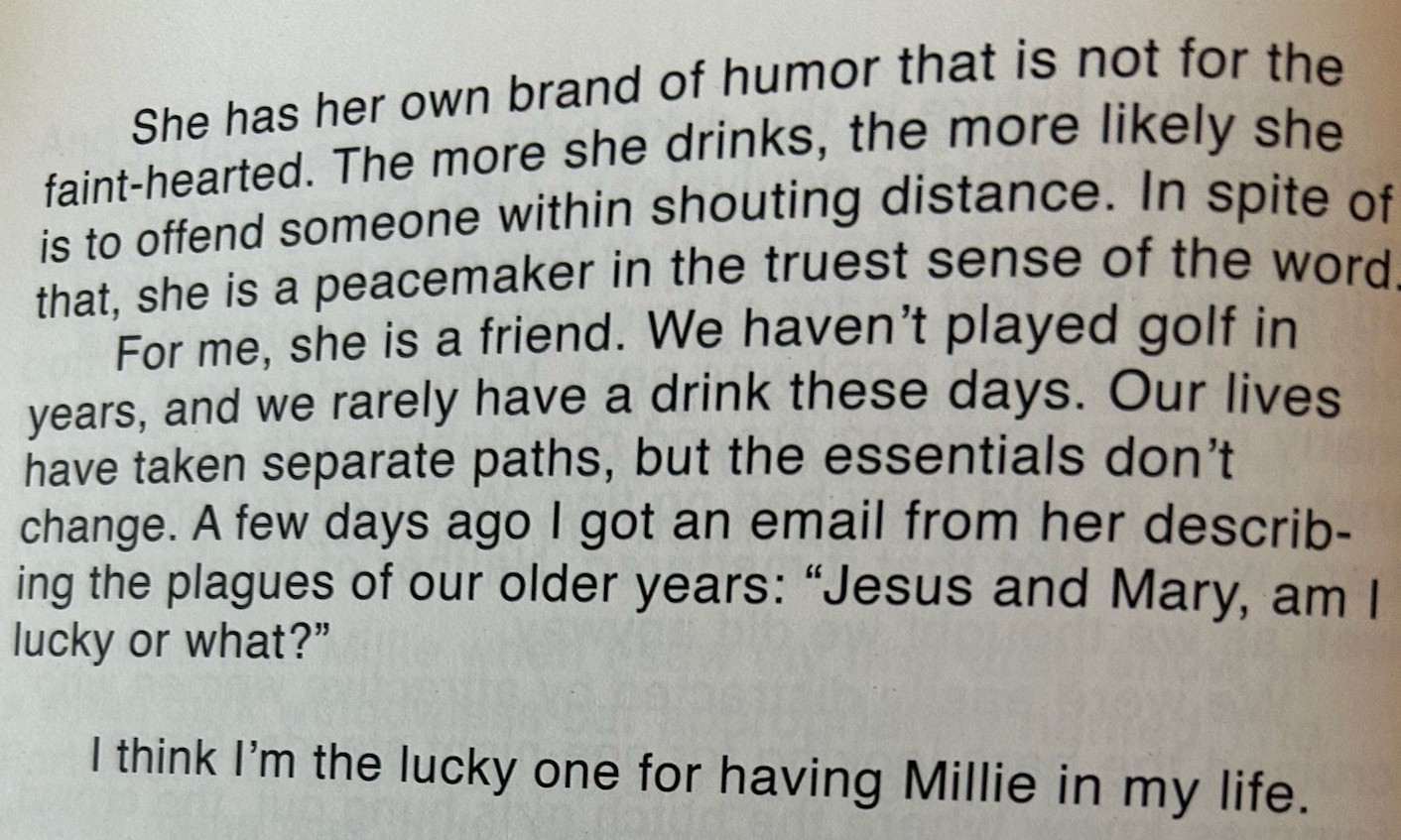
    My piece today contains excerpts from a chapter in my second book, Not Quite the Same. which was published in 2009. I cut a large descriptive section of a golf outing in this chapter about our playing golf in the snow one Friday afternoon at a local club. Censorship of language was mandatory due to a large bottle of Crown Royal Millie and I shared that afternoon playing golf in the snow.

    Millie Miller is 80 this month, and I still believe I’m lucky to have had her as a friend for the past 50 years. We rarely see each other, but we have phone conversations to discuss our ailments, friends we’ve lost, and the money we would have if we hadn’t spent it all on those women we met in the bar.

    Millie Miller, still calling it like she sees it. Rock on, Millie.

  • Easter, Comes the Resurrection

    Easter, Comes the Resurrection


    Sixteen years ago this Easter my mother was in a secured memory care unit of the Atria Westchase assisted living complex in Houston, Texas , where she had lived for three years. Pretty and I had recently bought a second home in Montgomery, Texas, so I could be closer to Mom as her dementia progressed; she lost her battle two years later, but on that Easter Sunday in 2010 I arrived in time for a chapel service before lunch with my mom.  After lunch, well, here’s what happened…

    The traditional Easter egg hunt came to us mid-afternoon through the children of the staff members. The day was beautiful, and the fenced courtyard area was the perfect setting for a party. Those in our lunch group pushed their walkers or were wheeled outside into the bright sunlight, those who could sat in the Adirondack chairs under the portico. I met three other daughters who were visiting their mothers that day which made me thankful I was there with my mother, too.

    The Hispanic women who were the caregivers for the memory care unit brought their children to enjoy the search for the pastel colored plastic eggs filled with candy in the tranquil setting of the facility’s outdoors. Eggs were hidden everywhere, including on and around the residents.  Jim, a tall sad unshaven man who never spoke and struggled to move, opened the chocolate egg Rosa placed in his shirt pocket; he ate the candy before the kids arrived. No one tried to stop him including my mother who in days of yore would have surely reprimanded him in her best elementary school teacher voice.

    The small group of children burst into the courtyard with an exuberance all youngsters bring to filling an Easter basket. Ages ranged from four to twelve, with one six-month-old baby girl held by her mother. They were dressed in their Sunday best. Little boys wore ties with their jackets, little girls wore pretty spring dresses. It could’ve been a movie set, I thought, because they were strikingly beautiful children. They flew around grabbing eggs with gusto as their baskets filled quickly. They were noisy, laughing, talking – incredibly alive.

    It was the resurrection. For a few brief minutes, the stones were rolled away from the minds buried deep in the tombs of the bodies that kept them hidden. The children raced around the residents searching for treasures, exclaiming with delight when one was discovered. One little boy overlooked a blue egg under a wheel chair, and my mother tapped his shoulder to point it out to him. He was elated and flashed a brilliant smile at her. She responded with a look of pure delight. The smiles and the murmurings of the elderly were clear signs of their obvious joy that proclaimed the reality of Easter in their minds in those moments.  Hallelujah. We were all risen.

    Memories were made and lost that afternoon. The children who ran to find eggs among the old people in the place where their mothers worked were unlikely to forget this day.  Years from now some will tell the stories of the Easter Egg Hunt with the Ancient Ones.  The stories will be as different as their own journeys will take them.  For my mother and her friends, no stories will be told because they won’t remember. My mother doesn’t know I was there for her on Easter this year which is not unexpected.  But I remember I was, and it is enough for both of us.

    I was born on another Easter Sunday morning in April, 1946, and that makes the year 2010 my sixty-fourth Easter. I recollect a few of the earliest Easters from my childhood: sacred religious days for my Southern Baptist family that rarely missed a worship service on any Sunday of the year but never at Christmas or Easter. I also remember having a hard time finding eggs in the church hunts. My baskets never runneth over. But to be honest, in recent years Easter Sundays had been difficult to distinguish from any other day of the week.

    When I moved away from my family in Texas in my early twenties to explore my sexual identity, I didn’t know I’d be gone for forty years. I also had no way of knowing one of the costs of my freedom from family togetherness was my absence from family rituals.  Distance, travel time, money, job obligations, girlfriends—these were the obstacles I had to overcome for visits home. Or maybe they were just excuses. I usually made the trip home at Christmas and less frequently one more time in the summer. But never for Easter.

    This Easter was special for me because it was a day with no excuses necessary. I shared a Sunday sundae with my mother for lunch today at a table neither of us could have envisioned a few years before. Today was for the two of us, and if there were barriers between us that once seemed too impenetrable, they were now lost in the cobwebs of time.

    We were all risen, indeed.

    **************

     My divorce from the politics and religion of the Southern Baptist denomination took decades, but I am grateful for the biblical stories I learned in Sunday School about resurrection because I continued to believe in the power of hope I experienced even in the midst of personal despair on an Easter Sunday afternoon in Texas when the children came to play.

    (This post is an excerpt from my third book I’ll Call It like I See It: A Lesbian Speaks Out which was published in 2012 – I have included it in this space many times because it’s special to me. If you think it sounds familiar, you’ve probably read it more than once. Thank you. Please stay tuned.)