Category: Reflections

  • Easter, Comes the Resurrection

    Easter, Comes the Resurrection


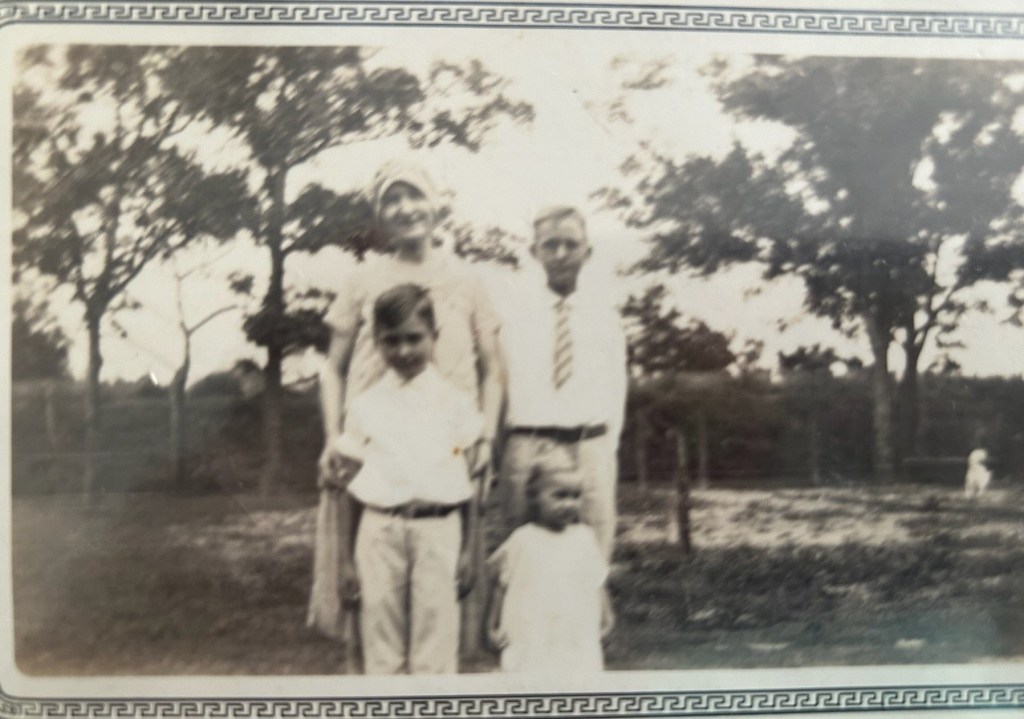
    Sixteen years ago this Easter my mother was in a secured memory care unit of the Atria Westchase assisted living complex in Houston, Texas , where she had lived for three years. Pretty and I had recently bought a second home in Montgomery, Texas, so I could be closer to Mom as her dementia progressed; she lost her battle two years later, but on that Easter Sunday in 2010 I arrived in time for a chapel service before lunch with my mom.  After lunch, well, here’s what happened…

    The traditional Easter egg hunt came to us mid-afternoon through the children of the staff members. The day was beautiful, and the fenced courtyard area was the perfect setting for a party. Those in our lunch group pushed their walkers or were wheeled outside into the bright sunlight, those who could sat in the Adirondack chairs under the portico. I met three other daughters who were visiting their mothers that day which made me thankful I was there with my mother, too.

    The Hispanic women who were the caregivers for the memory care unit brought their children to enjoy the search for the pastel colored plastic eggs filled with candy in the tranquil setting of the facility’s outdoors. Eggs were hidden everywhere, including on and around the residents.  Jim, a tall sad unshaven man who never spoke and struggled to move, opened the chocolate egg Rosa placed in his shirt pocket; he ate the candy before the kids arrived. No one tried to stop him including my mother who in days of yore would have surely reprimanded him in her best elementary school teacher voice.

    The small group of children burst into the courtyard with an exuberance all youngsters bring to filling an Easter basket. Ages ranged from four to twelve, with one six-month-old baby girl held by her mother. They were dressed in their Sunday best. Little boys wore ties with their jackets, little girls wore pretty spring dresses. It could’ve been a movie set, I thought, because they were strikingly beautiful children. They flew around grabbing eggs with gusto as their baskets filled quickly. They were noisy, laughing, talking – incredibly alive.

    It was the resurrection. For a few brief minutes, the stones were rolled away from the minds buried deep in the tombs of the bodies that kept them hidden. The children raced around the residents searching for treasures, exclaiming with delight when one was discovered. One little boy overlooked a blue egg under a wheel chair, and my mother tapped his shoulder to point it out to him. He was elated and flashed a brilliant smile at her. She responded with a look of pure delight. The smiles and the murmurings of the elderly were clear signs of their obvious joy that proclaimed the reality of Easter in their minds in those moments.  Hallelujah. We were all risen.

    Memories were made and lost that afternoon. The children who ran to find eggs among the old people in the place where their mothers worked were unlikely to forget this day.  Years from now some will tell the stories of the Easter Egg Hunt with the Ancient Ones.  The stories will be as different as their own journeys will take them.  For my mother and her friends, no stories will be told because they won’t remember. My mother doesn’t know I was there for her on Easter this year which is not unexpected.  But I remember I was, and it is enough for both of us.

    I was born on another Easter Sunday morning in April, 1946, and that makes the year 2010 my sixty-fourth Easter. I recollect a few of the earliest Easters from my childhood: sacred religious days for my Southern Baptist family that rarely missed a worship service on any Sunday of the year but never at Christmas or Easter. I also remember having a hard time finding eggs in the church hunts. My baskets never runneth over. But to be honest, in recent years Easter Sundays had been difficult to distinguish from any other day of the week.

    When I moved away from my family in Texas in my early twenties to explore my sexual identity, I didn’t know I’d be gone for forty years. I also had no way of knowing one of the costs of my freedom from family togetherness was my absence from family rituals.  Distance, travel time, money, job obligations, girlfriends—these were the obstacles I had to overcome for visits home. Or maybe they were just excuses. I usually made the trip home at Christmas and less frequently one more time in the summer. But never for Easter.

    This Easter was special for me because it was a day with no excuses necessary. I shared a Sunday sundae with my mother for lunch today at a table neither of us could have envisioned a few years before. Today was for the two of us, and if there were barriers between us that once seemed too impenetrable, they were now lost in the cobwebs of time.

    We were all risen, indeed.

    **************

     My divorce from the politics and religion of the Southern Baptist denomination took decades, but I am grateful for the biblical stories I learned in Sunday School about resurrection because I continued to believe in the power of hope I experienced even in the midst of personal despair on an Easter Sunday afternoon in Texas when the children came to play.

    (This post is an excerpt from my third book I’ll Call It like I See It: A Lesbian Speaks Out which was published in 2012 – I have included it in this space many times because it’s special to me. If you think it sounds familiar, you’ve probably read it more than once. Thank you. Please stay tuned.)


  • No Kings Please, Give Me Country Music Queens

    No Kings Please, Give Me Country Music Queens


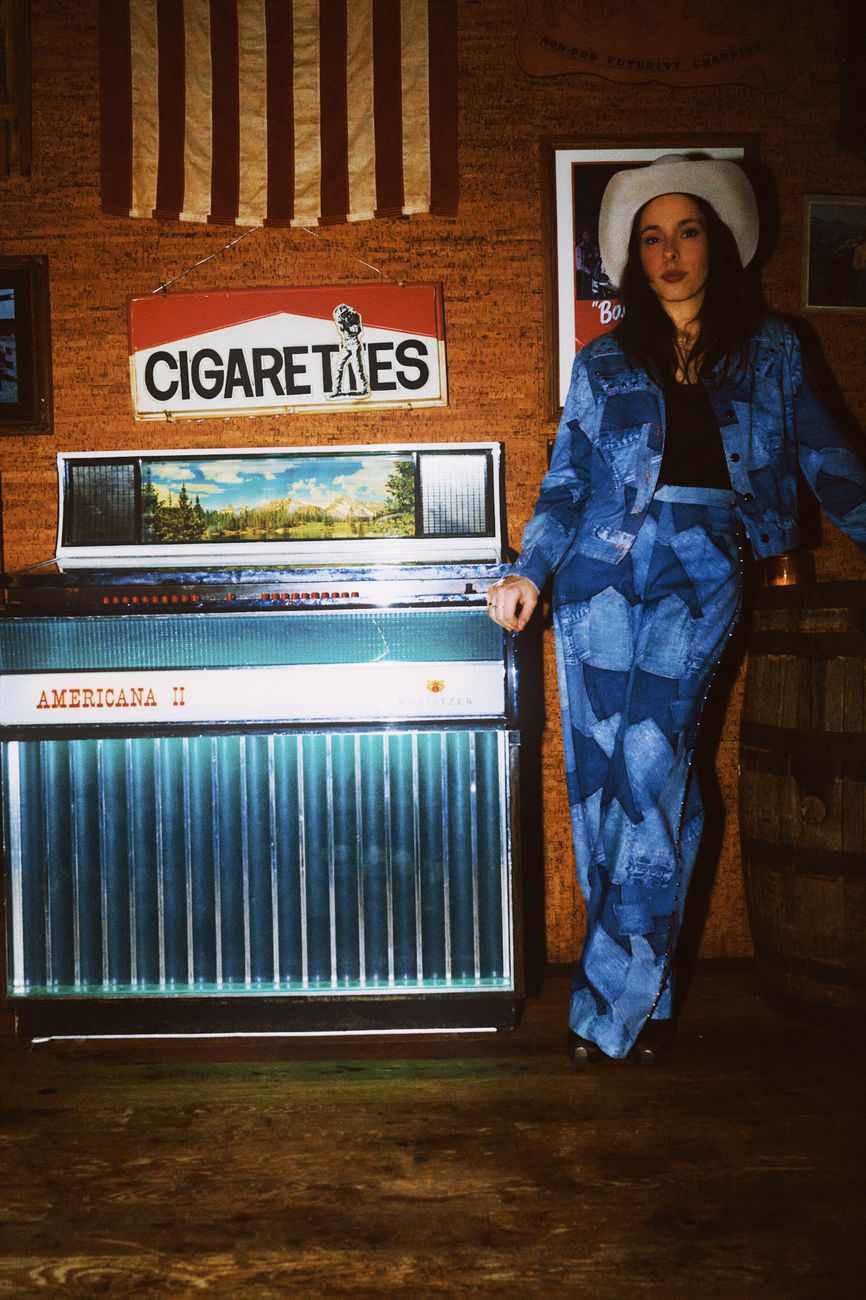
    Gracie – Purple Dahlia Studios (Etsy)

    My final post for this Women’s History Month is a reprint of portions of a piece I posted in November, 2016, saluting the Queens of Country Music I will always love, thank you very much, Dolly. So many conversations recently about the Man Who Would Be King in the USA – my thanks to those who organized and marched against him yesterday from sea to shining sea. Let me close the month on a more positive “note” to celebrate Patsy Cline, Dolly Parton, Anne Murray, and the power of storytelling in song.

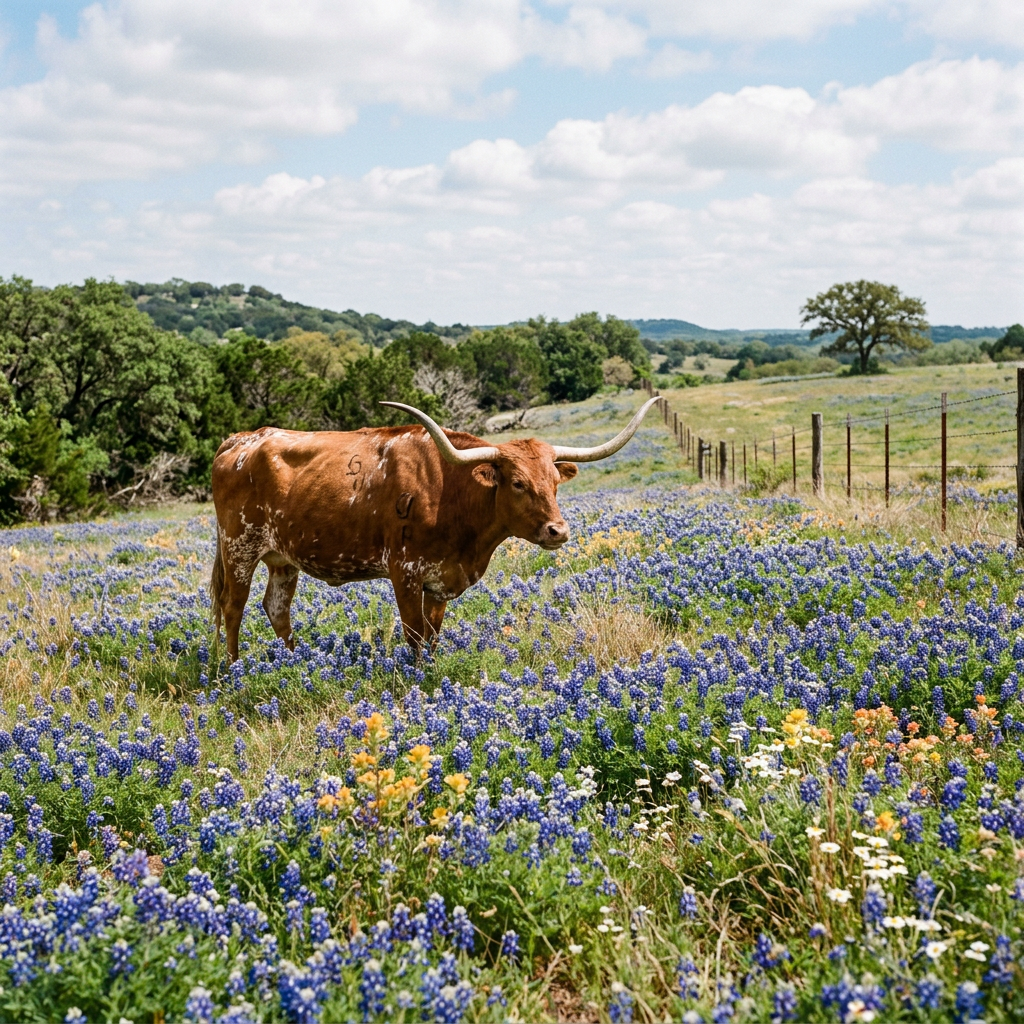
    When I was a little tomboy growing up in Grimes County, Texas, which was one of the poorest counties in the rural southeastern Piney Woods side of the state, my dad’s brother, my Uncle Ray who lived in the big city of Houston, was a huge country music fan…and when I say huge, I do mean huge. He was like the most faithful Saturday night radio Grand Ole Opry  and Louisiana Hayride kind of country music fan.

    The rest of my family was luke-warm to what are now considered the country music classics because they were all gospel music folks, snow white Southern Baptist church music kind of folks: quartets, singing conventions on Sunday afternoons with dinner on the grounds, Baptist Hymnal songs played on the organ and piano on Sunday mornings for the congregational singing.

    Out of that place I began to sing solos in the little country church we attended before I could read the words to the songs. My mother taught them to me by repeating the words over and over until I could remember them. Then she would have me stand on a little folding chair on the floor just below the minister’s pulpit on Sunday morning to sing the “special music” for the service while she accompanied me on the piano.

    I could look out on a congregation of maybe 50 people that included my two grandmothers, my dad, my grandfather, and at least two of my uncles…sometimes one more if my Uncle Ray came from Houston for Sunday lunch at my grandmother’s house. They all beamed back at me with love and great appreciation for my singing talents.

    So much so that my Uncle Ray paid me the highest compliment he could give one Sunday after church when I had graduated to standing without the chair and actually was able to read the words to the music on my own. I must have been eight years old at the time.

    Sheila Rae, he said, you sing as good as Patsy Cline. You should be on the radio on the Opry or the Louisiana Hayride.

    002

    This suggestion made quite the impression on my prepubescent self – remember this was in the 1950s before American Idol, Dancing With the Stars, The Voice and reality TV – and that comment sparked my interest in country music that has lasted for the past 60 (now 70) years. Could I sing as well as Patsy Cline? Clearly not, but I could fall in love with her music.

    In times of trouble and deep distress, therefore, I am more apt to listen to the Country Classics. I think they’re good for what ails you.

    Album Cover

    Dolly Parton remains the last one standing of my favorites, but thank goodness for YouTube and the memories of Patsy Cline and Anne Murray. I saw Anne Murray in Vancouver, British Columbia, in concert in 1969 when I lived in Seattle, Washington. I had a huge crush on an older married woman at the time, and she invited me to go to the concert with her…and her husband. Anne Murray sang the right words to ease my naive heartbreak that evening and again in 1983 with A Little Good News that I believe is appropriate for the No Kings Days protests in 2026. The names need to be changed, but the problems remain oddly familiar 43 years later.

    007

    “A Little Good News”

    I rolled out this morning…kids had the morning news show on
    Bryant Gumbel was talking about the fighting in Lebanon
    Some senator was squawking about the bad economy
    It’s gonna get worse you see we need a change in policy

    There’s a local paper rolled up in a rubber band
    One more sad story’s one more than I can stand
    Just once, how I’d like to see the headline say
    Not much to print today can’t find nothing bad to say

    Because…

    Nobody robbed a liquor store on the lower part of town
    Nobody OD’d, nobody burned a single building down
    Nobody fired a shot in anger…nobody had to die in vain
    We sure could use a little good news today

    I’ll come home this evening…I’ll bet that the news will be the same
    Somebody takes a hostage…somebody steals a plane
    How I wanna hear the anchor man talk about a county fair
    And how we cleaned up the air…how everybody learned to care

    Whoa, tell me…

    Nobody was assassinated in the whole Third World today
    And in the streets of Ireland all the children had to do was play
    And everybody loves everybody in the good old USA
    We sure could use a little good news today

    Nobody robbed a liquor store on the lower part of town
    Nobody OD’d, nobody burned a single building down
    Nobody fired a shot in anger…nobody had to die in vain
    We sure could use a little good news today.

    ***********************

    Until we meet again, I leave you with this Irish blessing: may all of your troubles be less and your blessings be more and may nothing but happiness come through your door.

    Thank you for sharing Women’s History Month with me. If winter comes, can spring be far behind?


  • Willie Flora: A Hidden Gem in Black History and Family Legacies

    Willie Flora: A Hidden Gem in Black History and Family Legacies


    On my 66th. birthday I sat in a pew behind the family at a celebration of life in the Jerusalem Starlight Encampment Building in Simonton, Texas. It was my only visit to the church, and I was there to say goodbye to a Black woman who had been my best friend, like a second mother to me, for the previous forty-five years.

    “Her legacy will be cherished by her five daughters, two sons, twenty-one grandchildren, twenty-four great-grandchildren, three nieces and a host of great-nieces, nephews, relatives and friends,” was part of the commentary on the life of a Black woman whose celebration of life took place on April 21, 2012, in the city of Simonton, Texas, which was located within the Houston metropolitan area.

    Willie Meta “Ninnie” Robbins Flora wasn’t a famous public figure like Maya Angelou, not a political icon of the Civil Rights movement like Rosa Parks, not a household name like Shirley Chisholm – and yet her influence has been felt in the lives of ordinary people who were touched by her generosity of spirit, her keen sense of humor, and her loving care for those who needed help in any form. She has earned her place in Black History Month to me and others. Her niece Verna wrote a moving tribute to her Aunt Ninnie for the Celebration Program in 2012.

    Aunt Ninnie was called many names, Skin, Cat Momma, Girlie, Aunt, Cousin, Sister, Road dog, Mother, but most of all she was called Mom. She was the type of person that, whatever you needed, no matter what it was, you had it. Now I guess you are wondering, “Why Road dog?” You see, my Auntie was my best friend. I remember when I was staying in Houston, I would call my Auntie every day and ask her what she was doing, and she would say,”Sitting on the side of the bed waiting on the next thing smoking.” We didn’t talk very much; we just enjoyed each other’s company. Man! We all loved her cooking! We couldn’t wait til Sunday, because that’s when we all met after church, and what a time we had! Auntie had something that everyone liked, because she wanted to make everyone happy. That’s the kind of person she was. Our loved one was no stranger to anyone. She was always there with a helping hand. I could go on and on about Mrs. Willie Flora. So Auntie, I’m waiting on the next thing smoking. See you on the other side. Rest in Peace, Love, Verna

    *******************

    Willie was in my life from the summer I graduated college in 1967 until her passing in 2012. As Verna said in her tribute above, she was always there with a helping hand to everyone – including me and my entire family.

    I loved Willie Flora. She was wise with wisdom born of pain, but she turned her pain into a quick wit that laughed at herself and everyone she knew. She had spunk, and I admired her for standing tall – refusing to be defined by a world that often saw only the color of her skin.

    I miss her to this day. I am waiting with her and Verna for the next thing smoking on the other side.

    Sheila Rae

  • Remembering Jesse Jackson’s Impact on LGBTQ+ Rights

    Remembering Jesse Jackson’s Impact on LGBTQ+ Rights


    Jesse Louis Burns was born October 8, 1941, in Greenville, South Carolina. His mother was 18-year-old Helen Burns (1923-2015), and his father was her 33-year-old neighbor Noah Louis Robinson who was married to someone else. One year after Jesse was born his mother married Charles Henry Jackson, who later adopted him. Jesse took his step-father’s last name but remained in contact with Robinson until his passing in 1997.

    An ordained Baptist minister, Jackson became involved with the Civil Rights Movement through Dr. Martin Luther King, Jr. in the Southern Christian Leadership Conference. He had participated in the 1965 march from Selma to Montgomery and won Dr. King’s confidence. That was the starting point for six decades of activism for equal justice and liberty for all.

    Rev. Jackson had two unsuccessful campaigns for the Democratic nomination for President of the United States in 1984 and 1988. He advanced the concept of a Rainbow Coalition that included the LGBT community in a speech to the Democratic Convention in 1984:

    “We must address their concerns and make room for them,” he said of a constellation of oppressed people. “The Rainbow includes lesbians and gays,” Jackson said to cheers. “No American citizen ought to be denied equal protection from the law.”

    Jackson followed up on that commitment in 1987, when he spoke at the second National March on Washington for Lesbian and Gay Rights, soon after announcing his second bid for president.

    “We gather today to say that we insist on equal protection under the law for every American, for workers’ rights, women’s rights, for the rights of religious freedom, the rights of individual privacy, for the rights of sexual preference. We come together for the rights of all American people,” Jackson declared.

    Jesse Jackson’s “Rainbow Coalition” was more than just another rhetorical flourish from the legendary orator. He gave real substance to the phrase by uniting black and brown people, the poor, and — an important, but less remembered part of his legacy — LGBTQ+ people.

    (Greg Owen, LGBTQ Nation, February 17, 2026)

    I was thirty-eight years old when I heard Jesse Jackson speak about his Rainbow Coalition that included lesbians like me. In that 1984 national campaign for the Democratic Nomination for President, Jackson carried five primaries and caucuses: Louisiana, Virginia, the District of Columbia, one of two separate contests in Mississippi, and…South Carolina. (Wikipedia) He was the first Black candidate to win any major party state primary or caucus. He had my vote in both campaigns.

    Whether the issues were health care during the AIDS crisis in the 1980s or marriage equality thirty years later, Rev. Jesse Jackson understood institutional wrongdoing and called it out.

    “Marriage is based on love and commitment — not sexual orientation. I support the right of any person to marry the person of their choosing,” Jackson declared at a rally outside the U.S. Court of Appeals for the Ninth Circuit in San Francisco in December, 2010.

    (Rev. Irene Monroe, Whosoever, February 19, 2026)

    ************************

    I leave you today while mourning the loss of another champion of equal justice, not a perfect man, but someone who lives on in those who labor for a harvest yet unseen. During Black History Month we acknowledge his passing, celebrate his service, and ask for the wings of angels to lift him to a better place. The harvest is plentiful, but the laborers are few. Jesse Jackson labored with love.

    Thank you, Rev. Jackson, for reminding me years ago that “I Am Somebody.” I will miss you.

    Jesse Louis Jackson (October 08, 1941 – February 17, 2026)

  • Elana Meyers Taylor: Historic Win in Women’s Monobob

    Elana Meyers Taylor: Historic Win in Women’s Monobob


    sons Nico and Noah run to Mom to help her celebrate her victory

    Meyers Taylor, 41, is the most decorated Black Winter Olympian

    three silver medals and two bronze medals in four previous Olympics

    Siobhan McGirl quotes Meyers Taylor in an article published yesterday in nbcphiladelphia.com

    “I really want a gold medal. I haven’t gotten it yet, so I feel like that is the one thing that I am missing from my resume, but besides that it is doing it for myself and doing it for my kids,” said Meyers Taylor. “To show them that I can chase my dreams and I can overcome obstacles and just continue to persevere through any obstacles that come my way and actually achieve my dreams.”

    Both Meyers Taylor’s sons, Nico and Noah, are deaf. Nico also has down syndrome.

    “I really want to show them that despite what people tell you… that you can go for it regardless,” said Meyers Taylor. “I also want to show them that it’s okay- you are going to falter at times, but you can learn a lot and you can continue to grow and you can fight through those hard times.”

    Congratulations to a black woman who endured obstacles, persevered through pain, defied the odds to represent not only her family but also her country.

    I don’t know nuthin’ about Women’s Monobob, but I was intrigued when I randomly watched awesome women flying around at warp speed in a tiny tube shaped like a hot dog bun this afternoon as part of the NBC coverage of the Milan Cortina 2026 Winter Olympics. I quickly learned speed was the goal, but the driver’s skills were critical to the win. These women meant business.

    Only one could win the gold, however, and I was thrilled for this wise woman who understood the importance of staying the course.

    Elana Meyers Taylor made history during Black History Month – perfect timing.

    *******************

    (the images belong to NBC – courtesy of my Smart TV)